



|
home ao english musik literatur journalismus bilder sprachen mehr shop sitemap | |
In der Loge 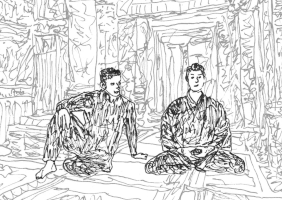 |
In the Lodge |
Dans la Loge |
Nella Loggia |
En la Logia |
(Deutsch) Dies ist die linguistische Version der vierten Staffel der Jungs. Die Texte sind dieselben wie auf der Hauptseite. |
(English) This is the linguistic version of the forth season of the Boys. The texts are the same as on the main page. |
(Français) Voici la version linguistique de la quatrième saison des Gars. Les textes sont les mêmes que sur la page principale. |
(Italiano) Questa è la versione linguistica della quarta stagione dei Ragazzi. I testi sono gli stessi della pagina principale. |
(Español) Esta es la versión lingüística de la cuarta temporada de los Chicos. Los textos son los mismos que en la página principal. |
(English) While Heinz contemplates his professional future in a deckchair, Helmut tries to catch dinner. Heinz is going round in circles, which gets him and his friend into a bit of trouble. |
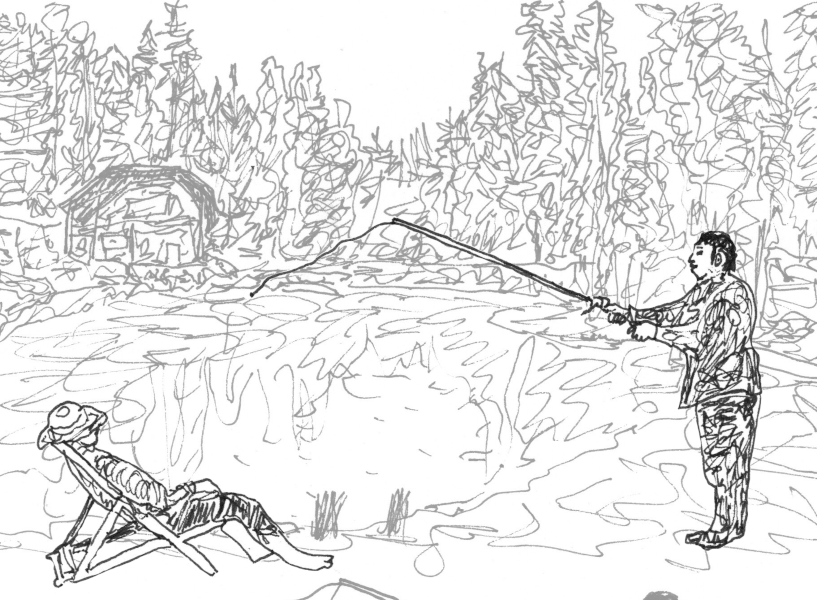 |
(Italiano) Mentre Heinz contempla il suo futuro professionale su una sedia a sdraio, Helmut cerca di catturare la cena. Heinz gira in tondo e questo mette lui e il suo amico in qualche guaio. |
(Deutsch) Während sich Heinz im Liegestuhl Gedanken über seine berufliche Zukunft macht, ist Helmut darum bemüht, das Abendessen zu fangen. Heinz dreht sich im Kreis, was ihn und seinen Freund in leichte Schwierigkeiten bringt. Normal Version | ||
Tag 1 1 Helmut: Heute beißt aber auch gar nichts an! |
Day 1 Helmut: There's nothing biting today at all! |
Jour 1 Helmut : Rien ne mord aujourd'hui ! |
Giorno 1 Helmut: Ma oggi non abbocca niente! |
Día 1 Helmut: ¡Hoy no pica nada en absoluto! |
2 Helmut: Heinz, ich hab mir diesen Tag für dich reserviert, die Forellen sind nur die Petersilie. |
Helmut: Heinz, I've reserved this day for you, the trout are just the parsley. |
Helmut : Heinz, j'ai réservé cette journée pour toi, les truites ne sont que le persil. |
Helmut: Heinz, ho riservato questa giornata per te, le trote sono solo il prezzemolo. |
Helmut: Heinz, he reservado este día para ti, las truchas son solo el perejil. |
3 Heinz: In meinen alten Job zurück, OK, aber da tut sich im Moment nichts. Und die Bruder ... die Loge hat mir auch in diesem Monat den Betrag überwiesen, obwohl der Moskau-Job vorbei ist. |
Heinz: Back to my old job, OK, but there's nothing moving at the moment. And the Brother... the Lodge has transferred the amount to me this month again, even though the Moscow job is over. |
Heinz : Retourner à mon ancien travail, d'accord, mais il n'y a rien qui bouge en ce moment. Et le Confr... la Loge m'a encore transféré la somme ce mois-ci, même si le travail à Moscou est terminé. |
Heinz: Tornare al mio vecchio lavoro, ok, ma al momento non c'è niente da fare. E la Confrat... la Loggia mi ha trasferito l'importo per questo mese, anche se il lavoro a Mosca è finito. |
Heinz: Volver a mi antiguo trabajo, vale, pero de momento no se mueve nada. Y el Herma... la Logia me ha vuelto a transferir la cantidad de este mes, aunque el trabajo de Moscú se haya acabado. |
4 Helmut: Kurbel kurbel kurbel kurbel, danke, Aouda, na lass, der ist zu schwer für dich! |
Helmut: Crank crank crank crank, thank you, Aouda, leave it, it's too heavy for you! |
Helmut : Tourn-a-tourn-a-tourne, merci, Aouda, laisse, c'est trop lourd pour toi ! |
Helmut: Gir-a-gir-a-gir-a-gir-a, grazie, Aouda, lascialo, è troppo pesante per te! |
Helmut: Gir-a-gir-a-gir-a-gir-a, gracias, Aouda, déjalo, es demasiado pesado para ti! |
5 Heinz: Kuck mal, wie Aouda kuckt! |
Heinz: Look at Aouda's face! |
Heinz : Regarde la tête d'Aouda ! |
Heinz: Guarda la faccia di Aouda! |
Heinz: ¡Mira la cara de Aouda! |
(English) Heinz is finally granted a glimpse into the hut by the pond because he is now a member of the Lodge. What he sees, however, exceeds his wildest expectations. This leads him to a momentous decision. |
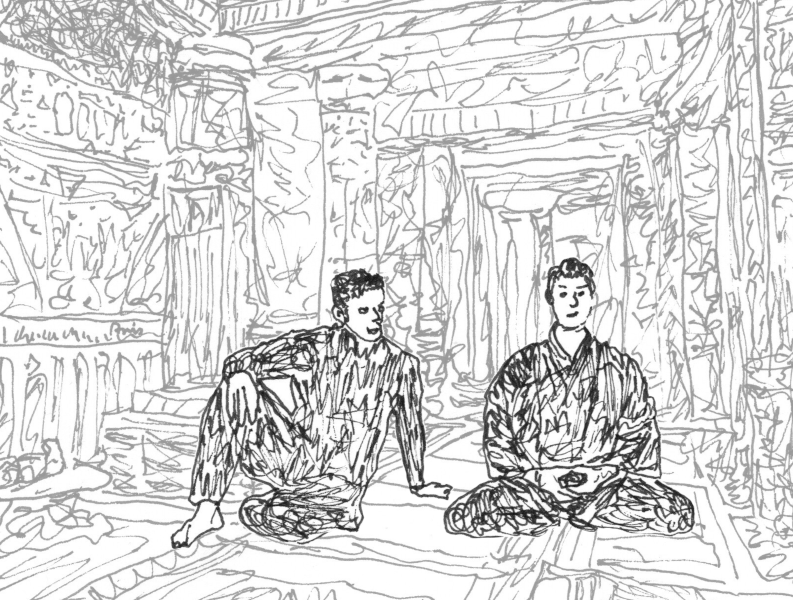 |
(Italiano) A Heinz viene finalmente concesso di vedere la capanna vicino allo stagno perché ora è un membro della Loggia. Ciò che vede, però, supera tutte le sue aspettative. Questo lo porta a prendere una decisione fondamentale. |
(Deutsch) Endlich wird Heinz ein Blick in die Hütte am Teich gewährt, weil er jetzt Mitglied der Loge ist. Was er allerdings zu sehen bekommt, übertrifft seine kühnsten Erwartungen. Das führt ihn zu einer folgenreichen Entscheidung. Normal Version | ||
Tag 1 1 Helmut: Nimm die Reuse, wir gehen erst mal ins Haus. Da gibt's auch Umziehsachen. |
Day 1 Helmut: Take the fish trap, let's go into the house for now. There is a change of clothes in there too. |
Jour 1 Helmut : Prends la nasse, allons à la maison. Il y a des vêtements de rechange là aussi. |
Giorno 1 Helmut: Prendi la nassa e andiamo a casa. Ci sono anche dei vestiti per cambiarsi. |
Día 1 Helmut: Coge la nasa y vámonos a casa. Allí también hay ropa para cambiarnos. |
2 Heinz: Das ist also eines dieser berühmten Häuser der Echnaton-Loge! Bisschen eng um die Hüften, aber funktional, sauber und stilvoll. |
Heinz: So this is one of those famous houses of the Akhenaten Lodge! A bit tight around the hips, but functional, clean and stylish. |
Heinz : C'est donc une de ces fameuses maisons de la Loge d'Akhenaton ! Un peu serrée autour des hanches, mais fonctionnelle, propre et élégante. |
Heinz: Quindi questa è una delle famose case della Loggia di Akhenaton! Un po' stretta sui fianchi, ma funzionale, pulita ed elegante. |
Heinz: ¡Así que ésta es una de esas famosas casas de la Logia de Akenatón! Un poco estrecha de caderas, pero funcional, limpia y elegante. |
3 Heinz: Nett von Hedu, dir einen Schlüssel zu überlassen. |
Heinz: Nice of Hedu to give you a key. |
Heinz : C'est gentil de la part d'Hédou de te laisser une clé. |
Heinz: È gentile Hedu a darti la chiave. |
Heinz: Es muy amable por parte de Hedu darte una llave. |
4 Heinz: Córdoba, was? |
Heinz: Córdoba, eh? |
Heinz : Cordoue, hein ? |
Heinz: Cordova, eh? |
Heinz: Córdoba, ¿eh? |
(English) Fiona's head is full after her vacation. Her clients keep calling her and things aren't going well with Heinz either. Time for a coffee with Fanni in the PR agency's renovated kitchen. |
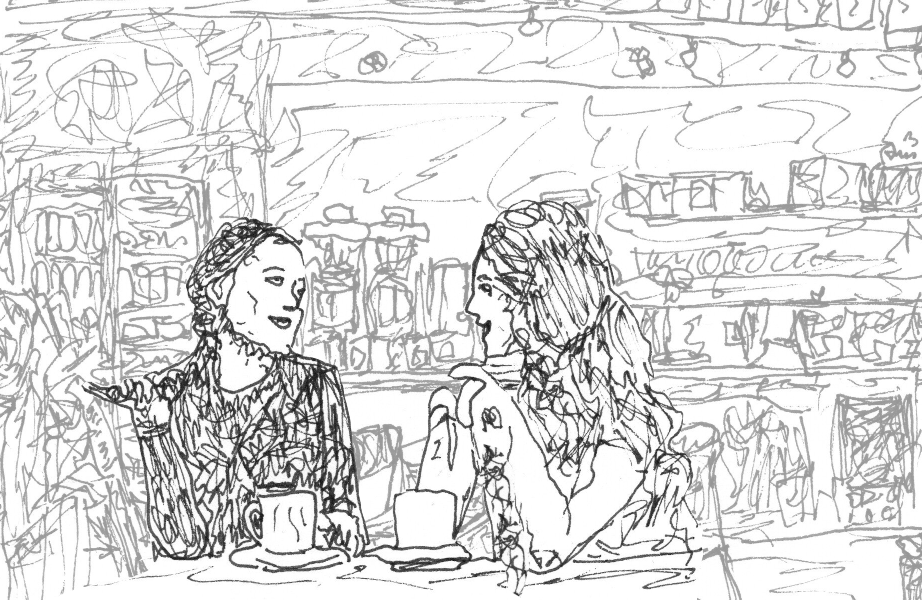 |
(Italiano) Fiona è piena di pensieri dopo le vacanze. I suoi clienti continuano a chiamarla e le cose non vanno bene nemmeno con Heinz. È ora di prendere un caffè con Fanni nella cucina rinnovata dell'agenzia di PR. |
(Deutsch) Fiona hat nach ihrem Urlaub den Kopf voll. Ihre Kunden rufen sie andauernd an und mit Heinz läuft auch nicht alles optimal. Zeit für einen Kaffee mit Fanni in der renovierten Küche der PR-Agentur. Normal Version | ||
in der Agentur Tag 1 1 Fiona: Das war Hedu grad am Telefon. Sie hat einen neuen Auftrag für uns. |
at the Agency Day 1 Fiona: That was Hedu on the phone. She has a new job for us. |
à l'agence Jour 1 Fiona : C'était Hédou au téléphone. Elle a une nouvelle commande pour nous. |
nell'agenzia Giorno 1 Fiona: Era Hedu al telefono. Ha un nuovo incarico per noi. |
Día 1 Fiona: Era Hédou al teléfono. Tiene un nuevo encargo para nosotros. |
2 Fanni: Die Agentur hat im letzten Jahr richtig abgesahnt, was nicht zuletzt mit Hedus Aufträgen zu tun hat. Wir machen fast die gesamte Schlauch-PR. |
Fanni: The agency really hit the jackpot last year, which has a lot to do with Hedu's commissions. We do almost all the Hose PR. |
Fanni : L'agence a vraiment touché le jackpot l'année dernière, ce qui a beaucoup à voir avec les commissions d'Hédou. Nous faisons presque toutes les relations publiques pour la maison Tuyau. |
Fanni: L'agenzia ha davvero fatto centro l'anno scorso, e questo ha molto a che fare con le commissioni di Hedu. Ci occupiamo di quasi tutte le pubbliche relazioni per la famiglia Tubo. |
Fanni: La agencia despegó realmente el año pasado, lo que tiene mucho que ver con los encargos de Hedu. Hacemos casi todas las relaciones públicas de Manguera. |
3 Fanni: Du hattest das erwähnt. Was haben die da eigentlich gemacht? |
Fanni: You mentioned that. What did they actually do there? |
Fanni : Tu en as parlé. Qu'ont-ils fait là-bas, en fait ? |
Fanni: Ne hai parlato. Che cosa hanno fatto lì effettivamente? |
Fanni: Lo has mencionado. ¿Qué hicieron realmente allí? |
4 Fiona: Bei der Bahai-Sache zum Beispiel. Da hat er dann gleich angefangen, Persisch zu lernen, um Bahaa-Ullahs Wort im Original verstehen zu können. |
Fiona: With the Bahai thing, for example. He immediately started learning Persian so that he could understand Bahaa-Ullah's words in the original. |
Fiona : Avec les Bahaïs, par exemple. Il a tout de suite commencé à apprendre le persan pour pouvoir comprendre les paroles de Bahaa-Ullah dans l'original. |
Fiona: Con la storia dei Bahai, per esempio. Ha iniziato subito a imparare il persiano per poter capire le parole di Bahaa-Ullah nell'originale. |
Fiona: Con lo del Bahai, por ejemplo. Empezó a aprender persa enseguida para poder entender las palabras de Bahá'u'lláh en el original. |
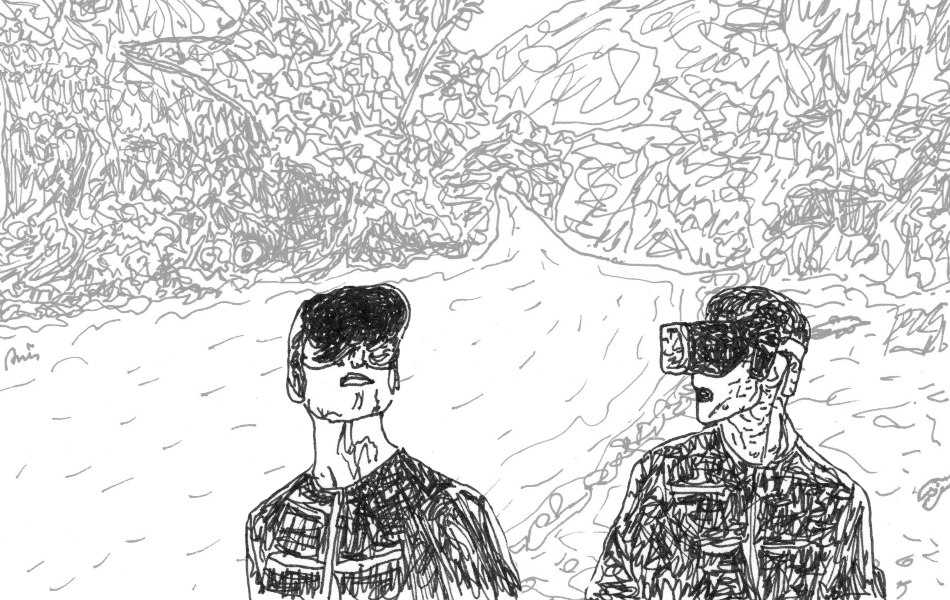
(English) A few days later, the Boys are already in Córdoba, where they not only take part in the Lodge's workshop, but also in an impressive virtual journey. Helmut gets into danger several times, but in the end it is Heinz who is the center of attention. |
 |
(Italiano) Pochi giorni dopo, i Ragazzi sono già a Cordova, dove non solo partecipano al workshop della Loggia, ma anche a un impressionante viaggio virtuale. Helmut si mette più volte in pericolo, ma alla fine è Heinz ad essere al centro dell'attenzione. |
(Deutsch) Wenige Tage später sind die Jungs bereits in Córdoba, wo sie nicht nur am Workshop der Loge teilnehmen, sondern auch an einer eindrucksvollen virtuellen Reise. Helmut gerät mehrmals in Gefahr, doch am Ende ist es Heinz, um den sich alles dreht. Normal Version | ||
Tag 7 1 Helmut: Laura winkt uns rein, jetzt wird's ernst im Karton! |
Day 7 Helmut: Laura is waving us in, now it's getting stone serious! |
Jour 7 Helmut : Laura nous fait signe d'entrer, maintenant ça devient sérieux dans le bordel ! |
Giorno 7 Helmut: Laura ci invita ad entrare, ora si fa sul serio nel bordello! |
Día 7 Helmut: ¡Laura nos hace señas para que entremos, ahora la cosa se pone seria en la miseria! |
2 Heinz: (...) Uaaah! |
Heinz: (...) Whoaaa! |
Heinz : (...) Woaaah ! |
Heinz: (...) Uaaah! |
Heinz: (...) ¡Uaaah! |
3 Heinz: Was hat das alles zu bedeuten? Das Tier war so groß wie ein Bus! |
Heinz: What does all this mean? The animal was the size of a bus! |
Heinz : Qu'est-ce que tout cela veut dire ? La bête était aussi grosse qu'un bus ! |
Heinz: Cosa significa tutto questo? La bestia era grande come un autobus! |
Heinz: ¿Qué significa todo eso? ¡El animal era tan grande como un autobús! |
4 Helmut: (...) Die Krokodilbabys sind nicht mehr da. Alles ist ruhig. |
Helmut: (...) The crocodile babies are no longer there. Everything is quiet. |
Helmut : (...) Les bébés crocodiles ne sont plus là. Tout est calme. |
Helmut: (...) I piccoli di coccodrillo non ci sono più. Tutto è tranquillo. |
Helmut: (...) Las crías de cocodrilo ya no están ahí. Todo está tranquilo. |
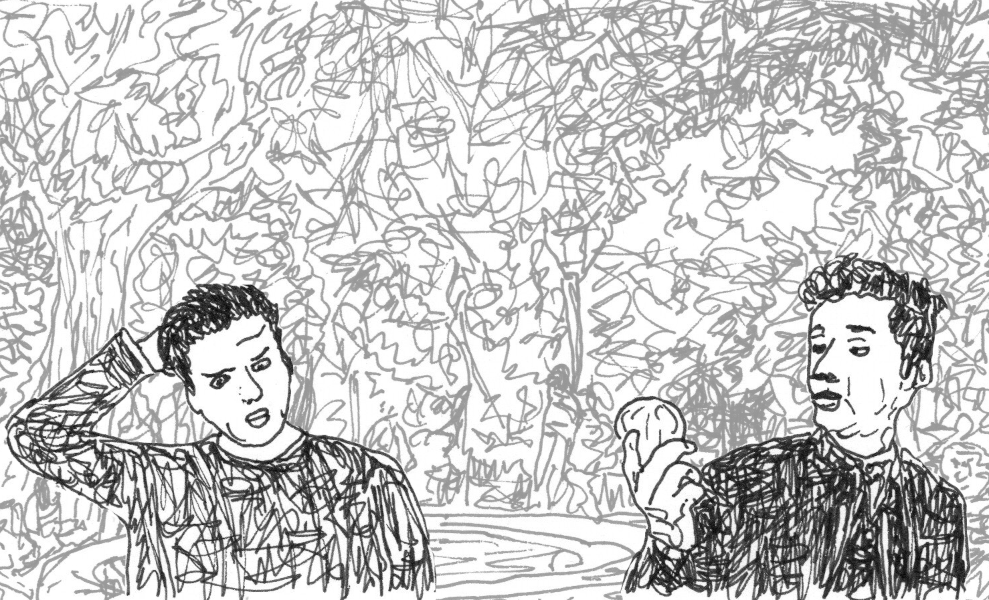
(English) In the park of the Castle of the Christian Monarchs, the two regain their composure and puzzle over their recent experience. Helmut has a hunch and he is indeed spot on, but fate holds a hard lesson in store for him in this hundredth episode. |
 |
(Italiano) Nel parco del Alcázar de los Reyes Cristianos, i due ritrovano la calma e riflettono sulla loro recente esperienza. Helmut ha un'intuizione e ci azzecca, ma il destino ha in serbo per lui una dura lezione in questa centesima puntata. |
(Deutsch) Im Park des Palasts der christlichen Könige kommen die beiden wieder zur Ruhe und rätseln über ihr kürzliches Erlebnis. Helmut hat eine Ahnung und er liegt auch goldrichtig, doch das Schicksal hält eine harte Lektion für ihn bereit in dieser hundertsten Folge. Normal Version | ||
Tag 7 1 Heinz: Sagst du mir jetzt endlich, was los ist? Was ist da gerade passiert? |
Day 7 Heinz: Will you finally tell me what's going on? What just happened? |
Jour 7 Heinz : Tu vas enfin me dire ce qui se passe ? Qu'est-ce qui vient de se passer ? |
Giorno 7 Heinz: Mi dici finalmente cosa sta succedendo? Cosa è successo da poco? |
Día 7 Heinz: ¿Me dirás por fin qué está pasando? ¿Qué acaba de ocurrir? |
2 Heinz: Ich komm auf Dauer in Gruppen nicht so gut klar, meistens. |
Heinz: I don't get on so well in groups in the long term, most of the time. |
Heinz : Je ne suis pas très à l'aise en groupe, à long terme, la plupart du temps. |
Heinz: Non mi sento molto a mio agio nei gruppi a lungo termine, per la maggior parte del tempo. |
Heinz: No me siento muy cómodo en grupos a largo plazo, la mayoría de las veces. |
3 Helmut: Das war unglaublich! |
Helmut: That was incredible! |
Helmut : C'était incroyable ! |
Helmut: È stato incredibile! |
Helmut: ¡Ha sido increíble! |
4 Helmut: Ja ja klar, du kannst dich zum Beispiel hier hinstellen. Bereit? |
Helmut: Yes, of course, you can stand here, for example. Ready? |
Helmut : Oui, bien sûr, tu peux te mettre ici, par exemple. Prêt ? |
Helmut: Sì, certo, puoi alzarti qui, per esempio. Pronto? |
Helmut: Sí, claro, puedes ponerte aquí, por ejemplo. ¿Listo? |
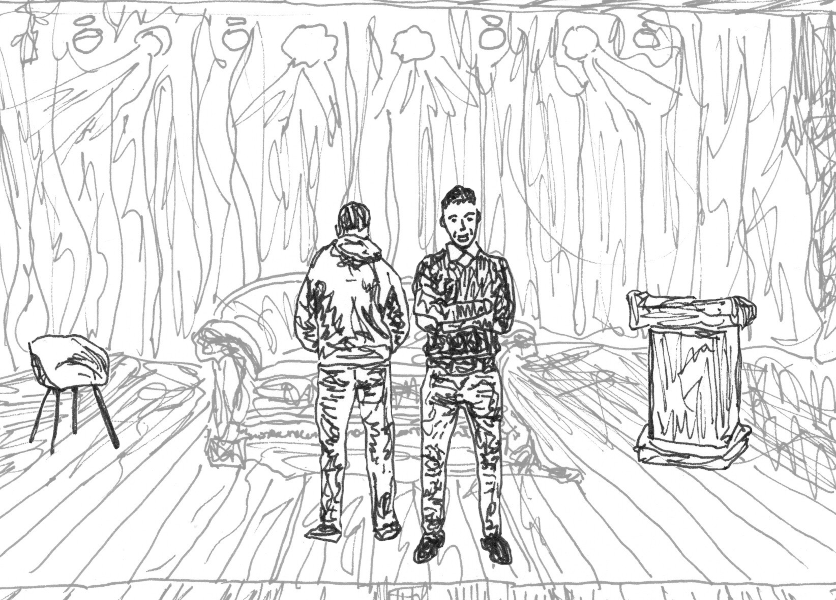
(English) Heinz and Helmut stand on stage and tell the other workshop participants about their skills and methods. What could possibly go wrong? Nothing really, except that Helmut notices a small flaw in his wardrobe. |
 |
(Italiano) Heinz e Helmut salgono sul palco e raccontano agli altri partecipanti al workshop le loro abilità e i loro metodi. Cosa può mai andare storto? Praticamente nulla, se non fosse che Helmut si accorge di un piccolo difetto nel suo guardaroba. |
(Deutsch) Heinz und Helmut stehen auf der Bühne und erzählen den anderen Workshop-Teilnehmern von ihren Fähigkeiten und Methoden. Was kann da schon schiefgehen? Eigentlich nichts, nur dass Helmut einen kleinen Makel an seiner Garderobe bemerkt. Normal Version | ||
Der Vortrag Tag 8 1 Heinz: Jetzt hatten wir überhaupt keine Zeit mehr, um den Vortrag vorzubereiten. |
Day 8 Heinz: Now we had no time at all to prepare the presentation. |
L'Exposé Jour 8 Heinz : Maintenant, nous n'avions plus du tout le temps de préparer l'exposé. |
Giorno 8 Heinz: Ora non avevamo più tempo per preparare la presentazione. |
Día 8 Heinz: Ahora ya no teníamos tiempo para preparar la presentación. |
2 Heinz: Still, da kommt Laura ins Publikum! |
Heinz: Quiet, Laura's coming into the audience! |
Heinz : Chut, voilà Laura qui entre dans le public ! |
Heinz: Silenzio, ecco che arriva Laura tra il pubblico! |
Heinz: ¡Silencio, Laura está entrando en el público! |
3 Helmut: Ja, äh, liebe Leute ... wir äh ... |
Helmut: Yes, uh, dear people... we uh... |
Helmut : Oui, euh, chers amis... nous euh... |
Helmut: Sì, ehm, cara gente... noi ehm... |
Helmut: Sí, er, querida gente... nosotros er... |
4 Heinz: Dn-kuuschtll! |
Heinz: Ufysopin! |
Heinz : Tbrgtouvt ! |
Heinz: Aiptaprt! |
Heinz: ¡Tnebrtabie! |
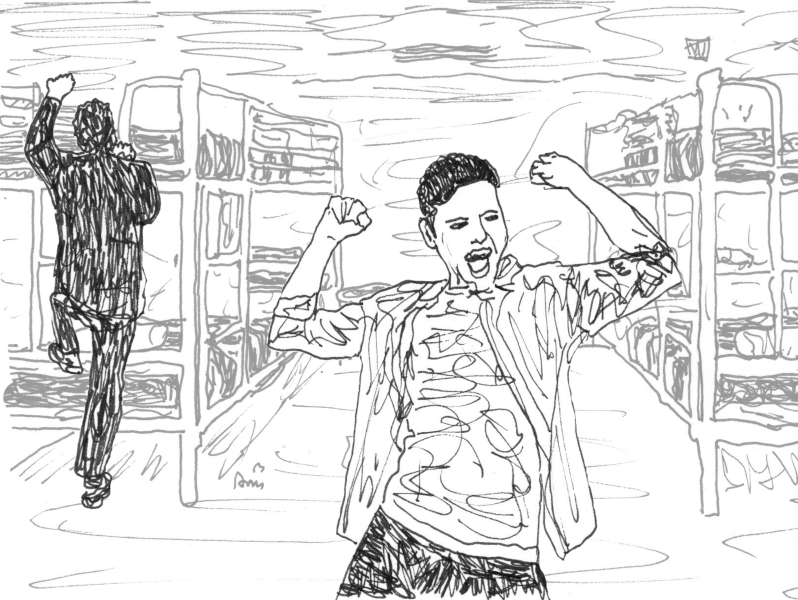
(English) Heinz is relieved: the little mishap will have no negative consequences. When Helmut tries to explain to him that this is due to his method, he remains skeptical. The gate his friend tells him about, however, interests him a lot. |
 |
(Italiano) Heinz è sollevato: il piccolo incidente non ha conseguenze negative. Quando Helmut cerca di spiegargli che questo è dovuto al suo metodo, il ragazzo rimane scettico. Tuttavia, è molto interessato al portone di cui gli parla il suo amico. |
(Deutsch) Heinz ist erleichtert: Das kleine Missgeschick hat keine negativen Folgen. Als Helmut versucht, ihm zu erklären, dass dies an seiner Methode liegt, bleibt er skeptisch. Das Tor, von dem sein Freund ihm erzählt, interessiert ihn hingegen sehr. Normal Version | ||
Tag 8 1 Heinz: Und? Fliegen wir raus? Was hat der Rat beschlossen? |
Day 8 Heinz: And? Are we being kicked out? What has the Council decided? |
Jour 8 Heinz : Et alors ? On se fait virer ? Qu'a décidé le Conseil ? |
Giorno 8 Heinz: E? Siamo fuori? Cosa ha deciso il Consiglio? |
Día 8 Heinz: ¿Y? ¿Estamos fuera? ¿Qué ha decidido el Consejo? |
2 Helmut: Scroll mal durch die Bilder! Da, siehst du? |
Helmut: Scroll through the pictures! There, you see? |
Helmut : Fais défiler les images ! Là, tu vois ? |
Helmut: Scorri le immagini! Ecco, vedi? |
Helmut: ¡Desplázate por las fotos! Ahí, ¿lo ves? |
3 Helmut: Das ist von Zainab. Wer will, kann in einer halben Stunde zu den Manuskripten kommen, sie will ihren ersten Eindruck schildern. |
Helmut: This is from Zainab. Whoever wants to can come to the manuscripts in half an hour, she wants to share her first impression. |
Helmut : C'est de Zainab. Qui veut peut venir voir les manuscrits dans une demi-heure, elle veut donner sa première impression. |
Helmut: È da parte di Zainab. Chi vuole può venire a vedere i manoscritti tra mezz'ora, vuole dare la sua prima impressione. |
Helmut: Es de Zainab. Quien quiera puede acercarse a ver los manuscritos dentro de media hora, quiere compartir su primera impresión. |
4 Heinz: Kriegt man die nicht zugewiesen? |
Heinz: Don't people get them assigned? |
Heinz : On ne te l'attribue pas ? |
Heinz: Non te ne viene assegnato uno? |
Heinz: ¿No se las asignan a la gente? |
(English) The workshop has been going on for almost two weeks now and the spark has finally jumped over to Heinz. So much so that Helmut tries to slow him down by prescribing him a meditation session. |
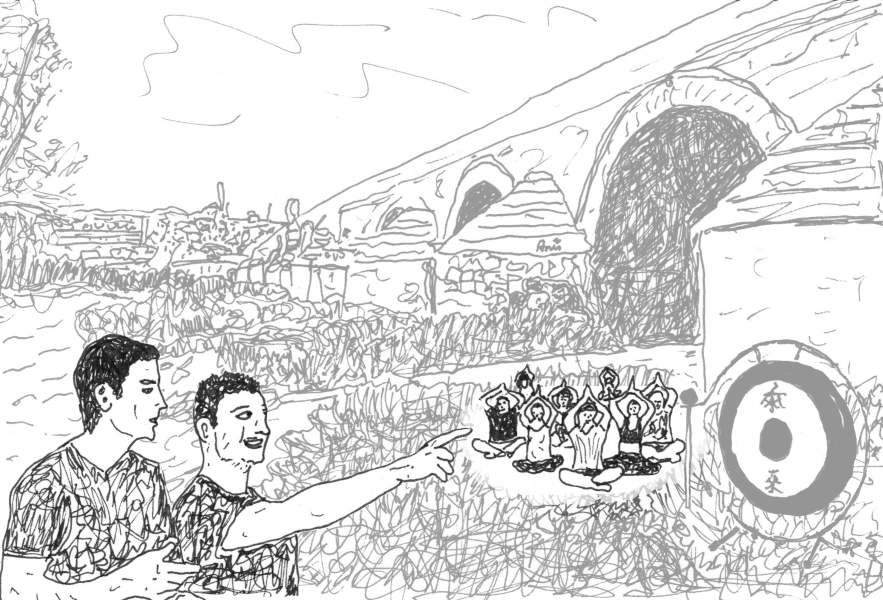 |
(Italiano) Il workshop è in corso da quasi due settimane e la scintilla ha finalmente catturato Heinz, tanto che Helmut cerca di rallentarlo e gli prescrive una sessione di meditazione. |
(Deutsch) Fast zwei Wochen dauert der Workshop nun schon an und der Funke ist endlich auch auf Heinz übergesprungen. So sehr sogar, dass Helmut ihn zu bremsen versucht, indem er ihm eine Meditation verordnet. Normal Version | ||
Tag 15 1 Heinz: Oh Mann, Helmut, jetzt hat's mich erwischt! |
Day 15 Heinz: Oh man, Helmut, now it finally hit me! |
Jour 15 Heinz : Vraiment, Helmut, ça m'a pris de court. |
Giorno 15 Heinz: Oh cavolo, Helmut, ora mi ha preso! |
Día 15 Heinz: ¡Oh, tío, Helmut, ahora por fin me ha podido! |
2 Helmut: Oh ja, das. Der indische Professor. |
Helmut: Oh yes, that. The Indian professor. |
Helmut : Ah oui, ça. Le professeur indien. |
Helmut: Oh sì, quello. Il professore indiano. |
Helmut: Ah, sí, eso. El profesor indio. |
3 Heinz: Ich hab auf einmal so viele Ideen! Ich denke, ich bin jetzt bereit, den heiligen Gral zu finden. |
Heinz: I've got so many ideas all of a sudden! I think I'm ready to find the holy grail now. |
Heinz : J'ai tellement d'idées tout à coup ! Je pense que je suis maintenant prêt à trouver le saint graal. |
Heinz: Ho così tante idee all'improvviso! Credo di essere pronto a trovare il Sacro Graal. |
Heinz: ¡Tengo tantas ideas de repente! Creo que ya estoy listo para encontrar el santo grial. |
4 Heinz: Sag mal, und morgen, unser Gespräch mit der Workshop-Leitung, was ... Gong! |
Heinz: And tell me, tomorrow, our conversation with the workshop management, what... Gong! |
Heinz : Et dis-moi, demain, notre conversation avec la direction de l'atelier, qu'est-ce que... Gong ! |
Heinz: Dimmi, e domani, la nostra conversazione con il responsabile del workshop, cosa... Gong! |
Heinz: Y dime, mañana, nuestra conversación con la dirección del taller, que... ¡Gong! |
(English) A meeting with the organizers of the workshop is about to take place. Heinz wants to use the opportunity to speed up his progress in the Lodge, but Helmut can't quite follow what he's saying and it's his own fault. |
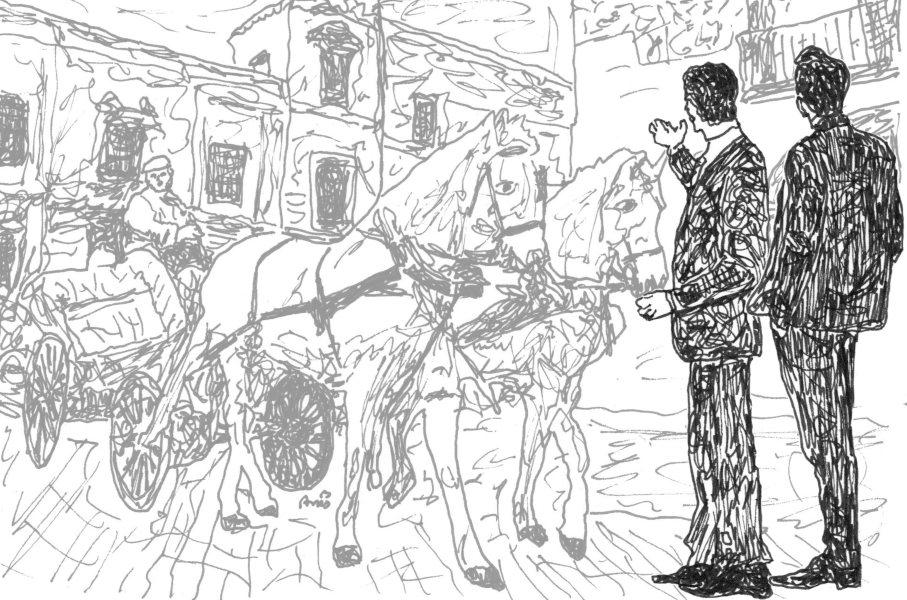 |
(Italiano) Un incontro con gli organizzatori del workshop è imminente. Heinz vuole sfruttare l'occasione per accelerare i suoi progressi nella Loggia, ma Helmut non riesce a seguire bene quello che dice ed è colpa sua stessa. |
(Deutsch) Ein Gespräch mit den Veranstaltern des Workshops steht bevor. Heinz will die Gelegenheit nutzen, um seinen Weg in der Loge zu beschleunigen, doch Helmut kann seinen Äußerungen nicht richtig folgen und es ist seine eigene Schuld. Normal Version | ||
Tag 16/17 1 Heinz: Ein Frisörsalon? Was ...? |
Day 16/17 Heinz: A hairdressing salon? What the...? |
Jour 16/17 Heinz : Un salon de coiffure ? Qu'est-ce que... ? |
Giorno 16/17 Heinz: Un salone di parrucchieri? Ma che...? |
Día 16/17 Heinz: ¿Una peluquería? ¿Qué...? |
2 Helmut: Was meinst du? |
Helmut: What do you mean? |
Helmut : C'est-à-dire ? |
Helmut: Cosa vuoi dire? |
Helmut: ¿Qué quieres decir? |
3 Heinz: (...) Was für eine Nacht! |
Heinz: (...) What a night! |
Heinz : (...) Quelle nuit ! |
Heinz: (...) Che notte! |
Heinz: (...) ¡Vaya noche! |
4 Helmut: Was sagst du? Einfach so? Gibt es auch einen Hintergrund? |
Helmut: What did you say? Just like that? Is there any background? |
Helmut : Qu'est-ce que tu dis ? Comme ça, tout simplement ? Y a-t-il aussi un contexte ? |
Helmut: Cosa hai detto? Proprio così? C'è anche un contesto? |
Helmut: ¿Qué estás diciendo? ¿Así sin más? ¿Hay algún contexto también? |
(English) On a guided tour, the workshop participants learn a lot about the history of the Lodge, including from Alonso, whose veil Heinz is able to lift a little during the gathering. |
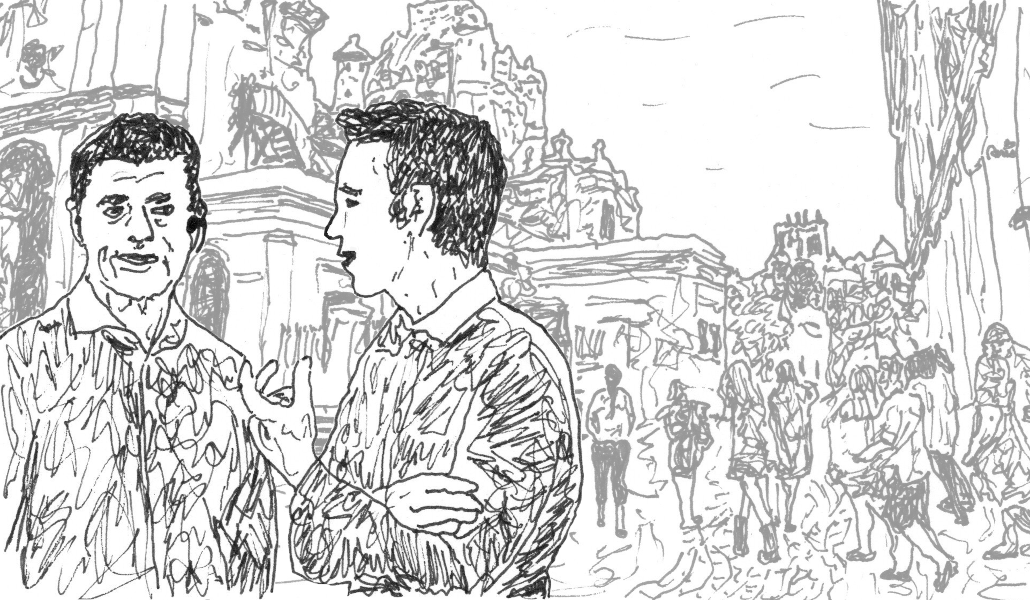 |
(Italiano) Durante una visita guidata, i partecipanti al workshop imparano molto sulla storia della Loggia, anche da Alonso, il cui velo Heinz riesce a sollevare un po' durante l'incontro. |
(Deutsch) Auf einem geführten Rundgang erfahren die Workshopteilnehmer viel über die Geschichte der Loge, unter anderem von Alonso, dessen Schleier Heinz im Verlauf der Zusammenkunft ein wenig lüften kann. Normal Version | ||
Tag 20 1 Helmut: Langsam hab ich genug. Gibst du mir mal die Wasserflasche? Meine Kehle ist ganz trocken. |
Day 20 Helmut: I've slowly had enough. Could you pass me the water bottle? My throat is all dry. |
Jour 20 Helmut : J'en ai lentement eu assez. Peux-tu me passer la bouteille d'eau ? J'ai la gorge toute sèche. |
Giorno 20 Helmut: Ne ho lentamente abbastanza. Puoi passarmi la bottiglia d'acqua? Ho la gola secca. |
Día 20 Helmut: Poco a poco he tenido suficiente. ¿Me pasas la botella de agua? Tengo la garganta seca. |
2 Heinz: Hast du gehört? Wir gehen jetzt zu ihr nach Haus, wo eine Überraschung auf uns wartet. |
Heinz: Did you hear that? We're going to her house now, where a surprise awaits us. |
Heinz : Tu as entendu ça ? Nous allons maintenant chez elle, où une surprise nous attend. |
Heinz: Hai sentito? Ora andiamo a casa sua, dove ci aspetta una sorpresa. |
Heinz: ¿Has oído eso? Ahora vamos a su casa, donde nos espera una sorpresa. |
3 Helmut: Wie wär's mit ... Nee, das ist nicht jugendfrei. Äh, so trocken wie britischer Humor im Heizungskeller ... Oh wow, was ist das denn?! |
Helmut: How about... Nah, that's not appropriate without parental guidance. Erm, as dry as British humor in the boiler room... Oh wow, what's that?! |
Helmut : Et pourquoi pas... Non, ce n'est pas approprié. Euh, aussi sec que l'humour britannique dans la chaufferie... Oh wow, c'est quoi ça ? |
Helmut: Che ne dici di... No, non è appropriato. Ehm, secco come l'umorismo britannico nel locale caldaia... Oh wow, cos'è questo? |
Helmut: ¿Por qué no...? No, no es apropiado. Er, tan seco como el humor británico en la sala de calderas... Oh, vaya, ¿qué es esto? |
4 Helmut: (...) Und? |
Helmut: (...) Well? |
Helmut : (...) Et alors ? |
Helmut: (...) E allora? |
Helmut: (...) ¿Y? |
(English) The workshop comes to an end and the participants write down their experiences. In the process, it turns out that Helmut is more a man of action than a man of many words. |
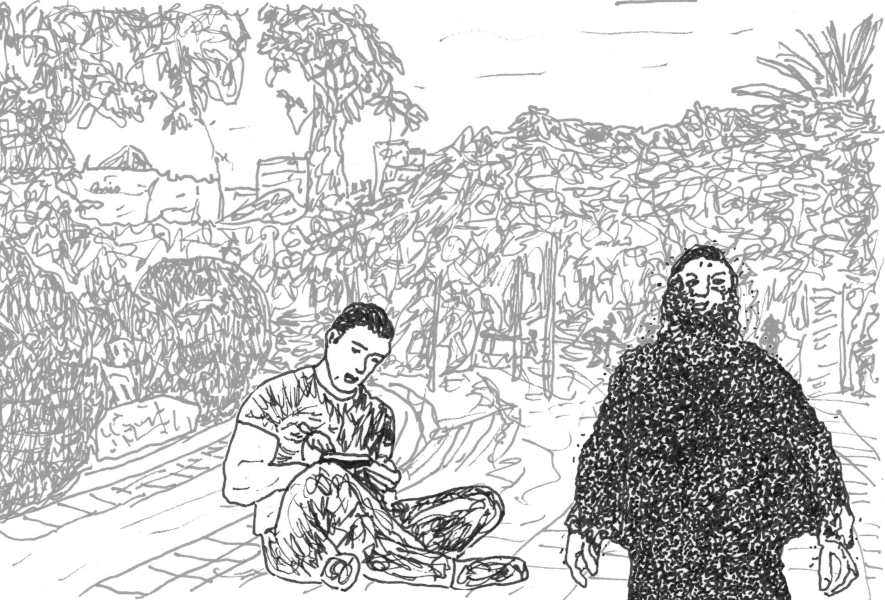 |
(Italiano) Il workshop si conclude e i partecipanti scrivono le loro esperienze. A questo punto si scopre che Helmut è più un uomo d'azione che un uomo di molte parole. |
(Deutsch) Der Workshop geht zu Ende und die Teilnehmer schreiben ihre Erfahrungen auf. Dabei stellt sich heraus, dass Helmut eher ein Mann der Tat ist als ein Mann von vielen Worten. Normal Version | ||
Tag 24 1 Helmut: Der Technikschnickschnack gefällt mir gut, aber Fragen beantworten nervt. |
Day 24 Helmut: I like the technical bells and whistles, but answering questions is annoying. |
Jour 24 Helmut : J'aime bien les gadgets techniques, mais répondre aux questions m'ennuie. |
Giorno 24 Helmut: Mi piacciono i gadget tecnici, ma rispondere alle domande è fastidioso. |
Día 24 Helmut: Me gustan los gadgets técnicos, pero responder preguntas me aburre. |
2 Helmut: (...) Es nützt nichts, die lassen nicht ab von mir. Wie soll ich mich da konzentrieren? |
Helmut: (...) It's no use, they won't let go of me. How am I supposed to concentrate? |
Helmut : (...) Ça ne sert à rien, ils ne me lâchent pas. Comment puis-je me concentrer ? |
Helmut: (...) È inutile, non mi lasciano in pace. Come faccio a concentrarmi? |
Helmut: (...) Es inútil, no me sueltan. ¿Cómo voy a concentrarme? |
3 Helmut: Nee, Laura weiß von nichts. Sie holt grad den Hausmeister. Bsss |
Helmut: No, Laura doesn't know anything. She's calling the janitor. Bzzz |
Helmut : Non, Laura ne sait rien. Elle est allée chercher le concierge. Bzzz |
Helmut: No, Laura non sa nulla. È andata a chiamare il custode. Bzzz |
Helmut: No, Laura no sabe nada. Ha ido a llamar al conserje. Bzzz |
4 Heinz: Da kommt der Hausmeister mit Laura. Du bist schon fast bedeckt von diesen Dingern. |
Heinz: Here comes the janitor with Laura. You're almost covered in those creatures already. |
Heinz : Voilà le concierge qui arrive avec Laura. Tu es déjà presque couvert de ces créatures. |
Heinz: Ecco che arriva il custode con Laura. Sei già quasi ricoperto da queste creature. |
Heinz: Ahí viene el conserje con Laura. Estás casi cubierto de esas cosas. |
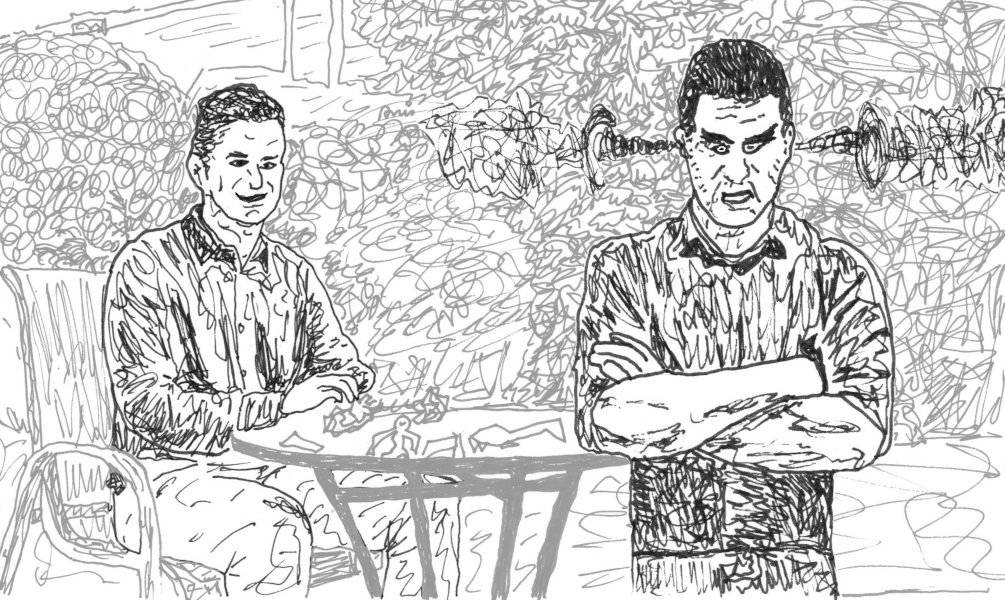
(English) Perhaps Helmut really did go a bit too far last time. Heinz doesn't let it show, but he does have a strategy and the results are pretty evident. |
 |
(Italiano) Forse Helmut ha davvero esagerato un po' l'ultima volta. Heinz non lo fa vedere, ma ha una strategia e i risultati sono piuttosto evidenti. |
(Deutsch) Vielleicht ist Helmut beim letzten Mal wirklich etwas zu weit gegangen. Heinz lässt sich zwar nichts anmerken, aber er hat eine Strategie und die Ergebnisse sind ziemlich eindeutig. Normal Version | ||
Tag 26 1 Helmut: Na, du machst mir Spaß! Sitzt hier rum und machst Handarbeiten, während unser Flug in zweieinhalb Stunden geht. |
Day 26 Helmut: Well, you're fun! Sitting here doing handicrafts while our flight leaves in two and a half hours. |
Jour 26 Helmut : Eh bien, tu es amusant ! Assis ici à faire de l'artisanat alors que notre vol décolle dans deux heures et demie. |
Giorno 26 Helmut: Beh, sei divertente! Seduto qui a fare bricolage mentre il nostro volo parte tra due ore e mezza. |
Día 26 Helmut: ¡Vaya, eres divertido! Sentado aquí haciendo manualidades mientras nuestro vuelo sale dentro de dos horas y media. |
2 Heinz: Ich will aber noch den Gorilla machen. |
Heinz: But I still want to do the gorilla. |
Heinz : Mais je veux faire le gorille. |
Heinz: Ma io voglio ancora fare il gorilla. |
Heinz: Pero sigo queriendo hacer el gorila. |
3 Helmut: Ey, willst du mich vernatzen? Da stimmt doch was nicht. Hey, wo sind die Tickets? Sie sind nicht mehr in meinem Rucksack. |
Helmut: Hey, are you kidding me? There's definitely something wrong here. Hey, where are the tickets? They're gone from my backpack. |
Helmut : Eh, tu veux me faire chier ? Il y a quelque chose qui cloche. Hé, où sont les billets ? Elles ne sont plus dans mon sac à dos. |
Helmut: Ehi, stai cercando di prendermi in giro? C'è sicuramente qualcosa che non va. Ma dove sono i biglietti? Non sono più nel mio zaino. |
Helmut: Eh, ¿intentas tomarme el pelo? Hay algo que no va bien. Eh, ¿dónde están los billetes? Ya no están en mi mochila. |
4 Helmut: Du hättest wenigstens Bescheid sagen müssen, Mann. |
Helmut: You should at least have told me, man. |
Helmut : Tu aurais dû au moins le prévenir, mec. |
Helmut: Avresti dovuto almeno avvertirmi, amico. |
Helmut: Al menos deberías haberme avisado, tío. |
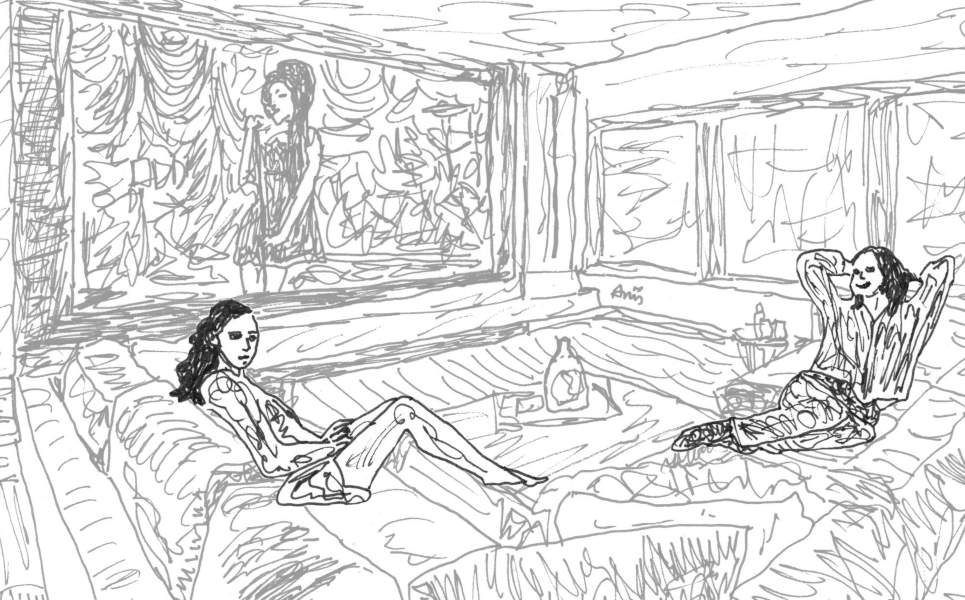
(English) Fiona visits her friend and work colleague Fanni and admires her new big-screen TV. As the two enjoy a cozy evening, it becomes increasingly clear that Fiona is burdened, something for which she has an explanation. |
 |
(Italiano) Fiona fa visita alla sua amica e collega di lavoro Fanni e ammira la sua nuova TV a grande schermo. Mentre le due si godono una serata intima, diventa sempre più chiaro che Fiona ha un peso, e lei è in grado di spiegarlo. |
(Deutsch) Fiona besucht ihre Freundin und Arbeitskollegin Fanni und bewundert ihren neuen Großbildfernseher. Während sich die beiden einen gemütlichen Abend machen, wird zunehmend klar, dass Fiona belastet ist, was sie auch begründen kann. Normal Version | ||
Tag 29 1 Fiona: Oh wow, du hast nicht übertrieben! Der ist ja riesig! Die halbe Wand ist ein Bildschirm. |
Day 29 Fiona: Oh wow, you weren't exaggerating! It's huge! Half the wall is a screen. |
Jour 29 Fiona : Oh wow, tu n'as pas exagéré ! Il est énorme ! La moitié du mur est un écran. |
Giorno 29 Fiona: Oh wow, non stavi esagerando! È enorme! Metà parete è uno schermo. |
Día 29 Fiona: ¡Vaya, no exagerabas! ¡Es enorme! La mitad de la pared es una pantalla. |
2 Fiona: Ist schon OK. Wieso depressiv? Sie ist eine der besten Sängerinnen, die ich kenne. Gluck. |
Fiona: Never mind. Why depressed? She's one of the best singers I know. Glug. |
Fiona : Ça va. Pourquoi dépressif ? C'est l'une des meilleures chanteuses que je connaisse. Glou. |
Fiona: Sto bene così. Perché deprimente? È una delle migliori cantanti che conosca. Glu. |
Fiona: No pasa nada. ¿Por qué deprimente? Es una de las mejores cantantes que conozco. Glu. |
3 Fanni: Jetzt, wo du ihn von selbst ansprichst: Wie läuft's denn so? Ist er wieder da? |
Fanni: Now that you've mentioned him, how are things going? Is he back? |
Fanni : Maintenant que tu lui parles de toi-même, comment ça se passe ? Est-il de retour ? |
Fanni: Ora che l'hai nominato, come vanno le cose? È tornato? |
Fanni: Ahora que lo mencionas, ¿cómo van las cosas? ¿Ha vuelto? |
4 Fanni: Hier! Vielleicht ist Hedu ja auch in dieser Loge. |
Fanni: Here! Maybe Hedu is in this Lodge too. |
Fanni : Tiens, peut-être qu'Hédou est aussi dans cette Loge. |
Fanni: Beh, forse anche Hedu è in questa Loggia. |
Fanni: ¡Toma! Quizá Hedu también esté en esta Logia. |
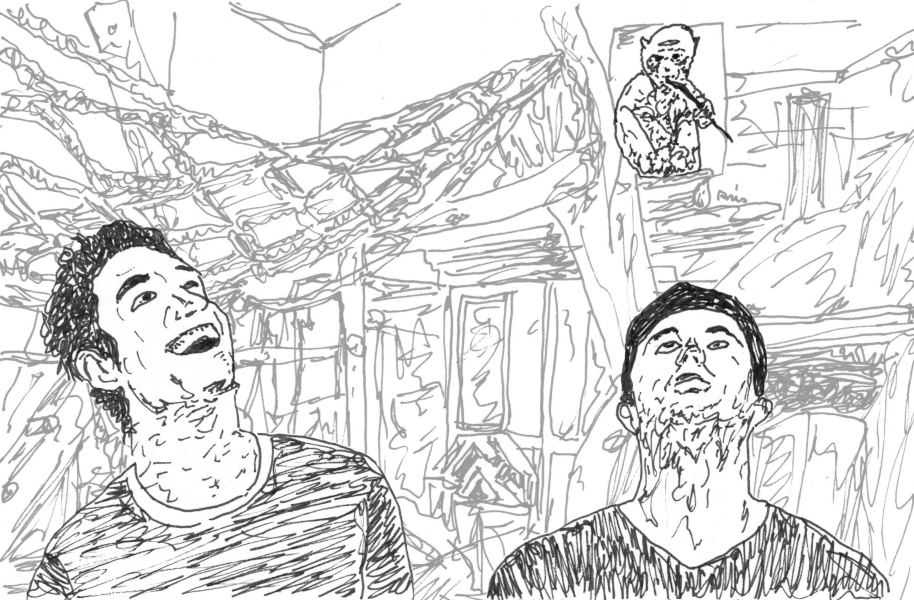
(English) Heinz sees Aouda's residence on Hedu's family estate for the first time and is overwhelmed: Not only does the monkey have many resources at his disposal, he also undergoes an amazing development. |
 |
(Italiano) Heinz vede per la prima volta la residenza di Aouda nella tenuta di famiglia di Hedu e ne rimane sconvolto: Non solo la scimmia ha a disposizione molte risorse, ma subisce anche uno sviluppo sorprendente. |
(Deutsch) Zum ersten Mal sieht sich Heinz Aoudas Domizil auf dem Anwesen von Hedus Familie an und er ist überwältigt: Nicht nur stehen dem Affen viele Mittel zur Verfügung, er macht auch eine erstaunliche Entwicklung durch. Normal Version | ||
Tag 29 1 Heinz: Hallo hallo? Jemand zu Hause? |
In Hose Park Day 29 Heinz: Hello hello, anybody home? |
Jour 29 Heinz : Bonjour bonjour, il y a quelqu'un ? |
Giorno 29 Heinz: Ciao ciao, c'è qualcuno in casa? |
Día 29 Heinz: Hola hola, ¿hay alguien en casa? |
2 Heinz: Du machst Witze! Sie kann lesen?? |
Heinz: You're joking! She can read?? |
Heinz : Tu plaisantes ! Elle sait lire ?? |
Heinz: Stai scherzando! Sa leggere?? |
Heinz: ¡Estás de broma! ¿¿Sabe leer?? |
3 Helmut: Nun erzähl mal von Fiona! Wie war euer Gespräch? |
Helmut: Now tell me about Fiona! How was your conversation? |
Helmut : Alors, parle-moi de Fiona ! Comment s'est passée votre conversation ? |
Helmut: Ora parlami di Fiona! Com'è andata la vostra conversazione? |
Helmut: ¡Ahora háblame de Fiona! ¿Cómo fue vuestra conversación? |
4 Heinz: Was? Aber ... plisch plisch, Aouda! Mensch, jetzt bin ich ganz nass! |
Heinz: What? But... plish plish, Aouda! Jeez, now I'm all wet! |
Heinz : Quoi ? Mais ... pliche pliche, Aouda ! Mais non, maintenant je suis tout mouillé ! |
Heinz: Cosa? Ma... plish plish, Aouda! Accidenti, ora sono tutto bagnato! |
Heinz: ¿Qué? Pero... ¡plish plish, Aouda! Eh, ¡ahora estoy todo mojado! |
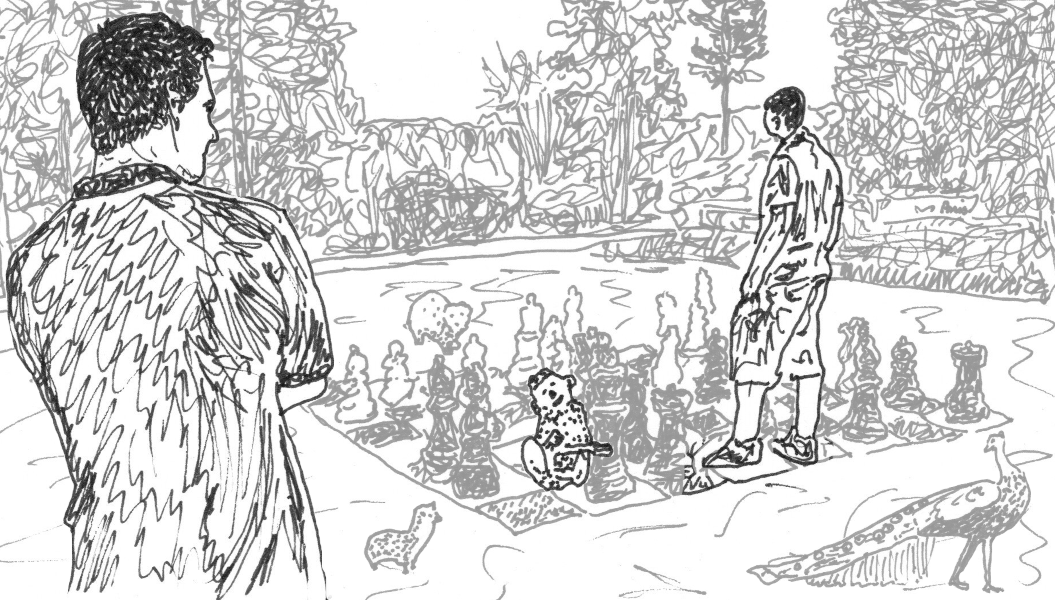
(English) Two days later, Heinz returns to the Hose Park, having spent the night in a miserable state. Helmut and Aouda take his mind off things, while Helmut at the same time explains to his friend his theory about the different degrees of the Lodge. |
 |
(Italiano) Due giorni dopo, Heinz torna al Parco Tubo, dopo aver trascorso la notte senza sonno. Helmut e Aouda gli fanno cambiare idea e allo stesso tempo Helmut spiega all'amico la sua teoria sui diversi gradi della Loggia. |
(Deutsch) Übernächtigt kommt Heinz zwei Tage später erneut in den Schlauchpark. Helmut und Aouda bringen ihn auf andere Gedanken, während Helmut seinem Freund gleichzeitig seine Theorie über die verschiedenen Grade der Loge erläutert. Normal Version | ||
Tag 31 1 Helmut: Was machst du für Sachen, Mann? Hi. |
Day 31 Helmut: What kind of things are you doing, man? Hi. |
Jour 31 Helmut : Qu'est-ce que tu fais, mec ? Salut. |
Giorno 31 Helmut: Che tipo di cose fai, amico? Ciao. |
Día 31 Helmut: ¿Qué cosas haces, tío? Hola. |
2 Helmut: Wir sind gleich da. Ich will dir was über Großmeister erzählen und brauch das passende Ambiente. Hast du eigentlich wie angekündigt den Flug nach Ägypten gebucht? |
Helmut: We'll be there soon. I want to tell you something about grandmasters and I need the right ambience. So have you actually booked the flight to Egypt as announced? |
Helmut : Nous y sommes presque. Je veux te parler des grands maîtres et j'ai besoin de l'ambiance qui va avec. Alors, as-tu bien réservé le vol pour l'Égypte comme annoncé ? |
Helmut: Arriveremo presto. Voglio raccontarti qualcosa sui grandi maestri e ho bisogno dell'ambiente giusto. A proposito, hai prenotato il volo per l'Egitto come annunciato? |
Helmut: Pronto llegaremos. Quiero contarte algo sobre los grandes maestros y necesito el ambiente adecuado. ¿Ya has reservado el vuelo a Egipto como habías anunciado? |
3 Helmut: Keine unqualifizierten Ratschläge bitte, alles klar? Also, ich denke über die Loge nach, natürlich. In Córdoba sind wir zum Beispiel als einzige zu diesem Treffen mit allen Workshoporganisatoren eingeladen worden. |
Helmut: No unqualified advice please, all right? Well, I'm thinking about the Lodge, of course. In Córdoba, for example, we were the only ones invited to this meeting with all the workshop organizers. |
Helmut : Pas de conseils non qualifiés, d'accord ? Alors, je pense à la Loge, bien sûr. A Cordoue, par exemple, nous sommes les seuls à avoir été invités à cette réunion avec tous les organisateurs d'atelier. |
Helmut: Niente consigli non qualificati per favore, va bene? Beh, sto pensando alla Loggia, ovviamente. A Cordova, per esempio, siamo stati gli unici invitati a questo incontro con tutti gli organizzatori del workshop. |
Helmut: Ningún consejo sin reservas, por favor, ¿de acuerdo? Bueno, pienso en la Logia, por supuesto. En Córdoba, por ejemplo, fuimos los únicos invitados a esta reunión con todos los organizadores del taller. |
4 Heinz: Dann würde Hedu mit ihrem dritten Rang einem Großmeister entsprechen? |
Heinz: Then Hedu with her third rank would correspond to a grandmaster? |
Heinz : Alors Hédou, avec son troisième grade, correspondrait à un grand maître ? |
Heinz: Quindi Hedu con il suo terzo grado corrisponderebbe a un gran maestro? |
Heinz: ¿Así que Hedu con su tercer grado correspondería a un gran maestro? |
(English) The Boys have often been to the weekly market in Mainz, but nothing like this has ever happened to them before. The two see themselves forced to abandon their philosophical conversation and spring into action. |
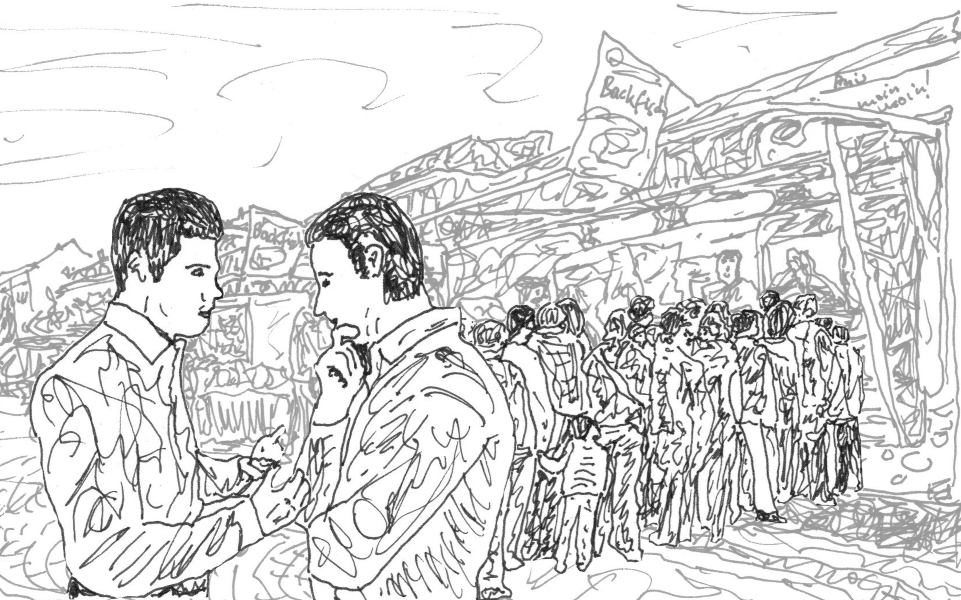 |
(Italiano) I Ragazzi sono stati molte volte al mercato settimanale di Magonza, ma non gli era mai capitato nulla di simile. I due si vedono costretti a terminare la loro conversazione filosofica e a prendere in mano la situazione. |
(Deutsch) Auf dem Mainzer Wochenmarkt waren die Jungs schon oft, aber so etwas wie dieses Mal ist ihnen noch nicht passiert. Die beiden sehen sich gezwungen, ihre philosophische Unterhaltung zu beenden und zur Tat zu schreiten. Normal Version | ||
Tag 34 1 Heinz: Wir waren schon lange nicht mehr hier. Kommt mir vor wie eine Ewigkeit. |
Day 34 Heinz: We haven't been here in a long time. Seems like an eternity. |
Jour 34 Heinz : Ça fait longtemps que nous ne sommes pas venus ici. J'ai l'impression que c'est une éternité. |
Giorno 34 Heinz: Non siamo qui da molto tempo. Sembra un'eternità. |
Día 34 Heinz: Hace mucho tiempo que no estamos aquí. Parece una eternidad. |
2 Helmut: Wieso dauert das denn so lange? Außerdem haben Menschen immer schon Fleisch gegessen. |
Helmut: Oh, why does it take so long? Besides, people have always eaten meat. |
Helmut : Pourquoi ça prend autant de temps ? De plus, les gens ont toujours mangé de la viande. |
Helmut: Perché ci vuole così tanto? Inoltre, la gente ha sempre mangiato carne. |
Helmut: ¿Por qué tarda tanto? Además, la gente siempre ha comido carne. |
3 Helmut: Du predigst Wasser und trinkst Blut! |
Helmut: You preach water and drink blood! |
Helmut : Tu prêches l'eau et tu bois du sang ! |
Helmut: Tu predichi l'acqua e bevi il sangue! |
Helmut: ¡Predicas agua y bebes sangre! |
4 Helmut: Mann, Heinz, also daran hab ich mich noch nicht gewöhnt, Mann. |
Helmut: Man, Heinz, I haven't gotten used to that yet, man. |
Helmut : Ouah, Heinz, je ne me suis pas encore habitué à ça, mec. |
Helmut: Wow, Heinz, non mi sono ancora abituato a questo, amico. |
Helmut: Vaya, Heinz, todavía no me he acostumbrado a eso, colega. |
(English) Everything is prepared and the next journey can begin, even if both Heinz and Helmut have certain additional reasons to turn their backs on their apartment for a while and visit the ruins of Akhenaten City. And the oracle, if they can find it. |
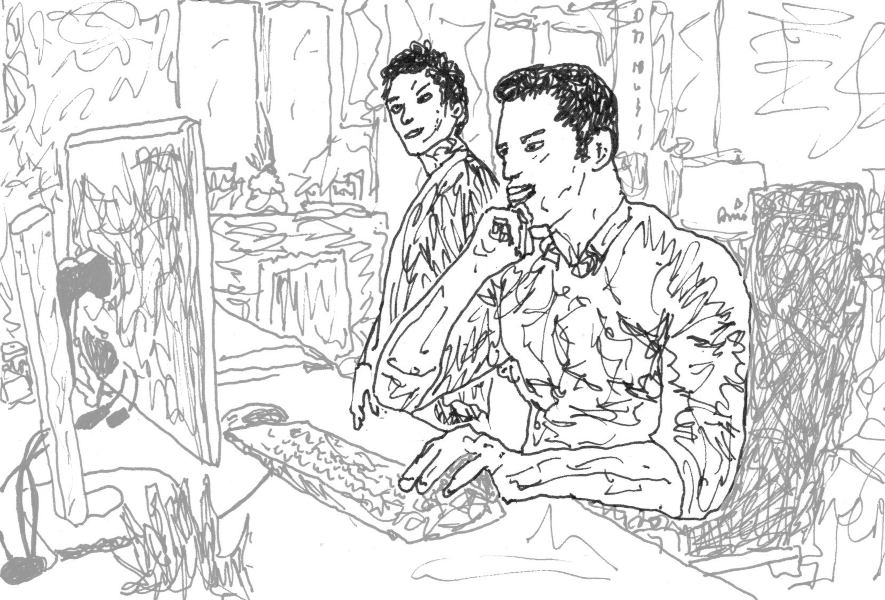 |
(Italiano) Tutto è pronto e il prossimo viaggio può iniziare, anche se sia Heinz che Helmut hanno alcuni motivi in più per voltare le spalle al loro appartamento per un po' e visitare le rovine della città di Akhenaton. E l'oracolo, se riusciranno a trovarlo. |
(Deutsch) Alles ist vorbereitet und die nächste Reise kann beginnen, auch wenn sowohl Heinz als auch Helmut gewisse zusätzliche Gründe haben, um ihrer Wohnung für eine Weile den Rücken zu kehren und die Ruinen der Echnaton-Stadt aufzusuchen. Und das Orakel, wenn sie es denn finden. Normal Version | ||
Tag 36 1 Heinz: Helmut, bist du das? |
Day 36 Heinz: Helmut, is that you? |
Jour 36 Heinz : Helmut, c'est toi ? |
Giorno 36 Heinz: Helmut, sei tu? |
Día 36 Heinz: Helmut, ¿eres tú? |
3 Helmut: Lustiger Zufall, was? Und sehr gut für die Vermarktung. Nomen est, äh, show, man. |
Helmut: Funny coincidence, isn't it? And very good for marketing. Nomen est, uh, show, man. |
Helmut : Drôle de coïncidence, hein ? Et très bon pour le marketing. Nomen est, euh, show, man. |
Helmut: Strana coincidenza, vero? E ottima per il marketing. Nomen est, ehm, show, man. |
Helmut: Curiosa coincidencia, ¿verdad? Y muy buena para el marketing. Nomen est, er, show, man. |
3 Helmut: So, also hat sie endlich akzeptiert, dass wir nach Ägypten fliegen? Gluck |
Helmut: So, she's finally accepted that we're going to Egypt? Glug |
Helmut : Alors, a-t-elle finalement accepté que nous allions en Egypte ? Glou |
Helmut: Quindi ha finalmente accettato che andiamo in Egitto? Glug |
Helmut: ¿Así que por fin ha aceptado que nos vayamos a Egipto? Glu |
4 Helmut: Naja, wir kriegen das schon hin. Übrigens hatte ich erwartet, dass hier überall Bücher über Ägypten und Echnaton rumliegen, aber da ist gar nichts. |
Helmut: Well, we'll manage. By the way, I expected to see books about Egypt and Akhenaten lying around everywhere, but there's nothing. |
Helmut : Eh bien, on se débrouillera. Au fait, je m'attendais à voir des livres sur l'Égypte et Akhenaton traîner partout, mais il n'y a rien. |
Helmut: Beh, ce la caveremo. A proposito, mi aspettavo di vedere libri sull'Egitto e su Akhenaton ovunque, ma non c'è nulla. |
Helmut: Bueno, ya nos las arreglaremos. Por cierto, esperaba que hubiera libros sobre Egipto y Akenatón por todas partes, pero no hay nada. |
(English) The Boys don't have to wait long for the first highlight of their Egyptian adventure, as Helmut effortlessly and out of nowhere manages to provide a variety-packed evening before they even reach their hotel. |
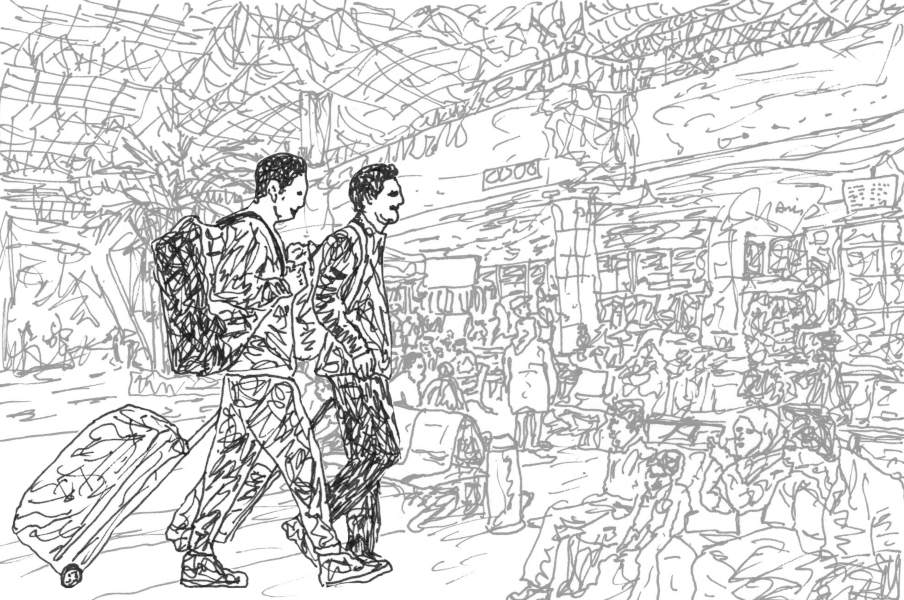 |
(Italiano) I Ragazzi non devono aspettare a lungo per il primo culmine della loro avventura egiziana, perché Helmut riesce senza sforzo e dal nulla a organizzare una serata variegata prima ancora che raggiungano l'albergo. |
(Deutsch) Auf den ersten Höhepunkt ihres Ägyptenabenteuers müssen die Jungs nicht lange warten, denn Helmut gelingt es mühelos und aus dem Nichts, für einen abwechslungsreichen Abend zu sorgen, noch bevor die beiden überhaupt ihr Hotel erreichen. Normal Version | ||
Tag 37 1 Helmut: Wie lange wollen die uns hier eigentlich noch warten lassen? Mann, das nervt! |
Day 37 Helmut: How long are they going to keep us waiting here? Man, that's annoying! |
Jour 37 Helmut : Combien de temps vont-ils nous faire attendre ici ? Mec, ça craint ! |
Giorno 37 Helmut: Per quanto tempo ci faranno aspettare qui? Cavolo, che seccatura! |
Día 37 Helmut: ¿Cuánto tiempo nos van a tener esperando aquí? Tío, ¡qué fastidio! |
2 Helmut: (...) „Ich bin gleich wieder da.” |
Helmut: (...) "I'll be right back." |
Helmut : (...) « Je reviens tout de suite. » |
Helmut: (...) "Torno subito." |
Helmut: (...) "Ahora vuelvo." |
3 Helmut: Hauptsache raus hier! Jetzt müssen wir erst mal unsere Koffer suchen. |
Helmut: The main thing is to get out of here! Now we have to look for our suitcases. |
Helmut : L'essentiel est de sortir d'ici ! Maintenant, nous devons chercher nos valises. |
Helmut: L'importante è uscire di qui! Ora dobbiamo cercare le nostre valigie. |
Helmut: ¡Lo principal es salir de aquí! Ahora tenemos que buscar nuestras maletas. |
4 Heinz: Klar, super Idee, als Fremder im Land einen Taxifahrer nach einem guten Hotel zu fragen. Hört man immer wieder. |
Heinz: Sure, great idea to ask a cab driver for a good hotel as a foreigner in the country. You hear that all the time. |
Heinz : Bien sûr, excellente idée de demander à un chauffeur de taxi un bon hôtel en tant qu'étranger dans le pays. On entend ça tout le temps. |
Heinz: Certo, ottima idea chiedere a un tassista un buon hotel se sei straniero nel paese. Lo si sente dire spesso. |
Heinz: Claro, gran idea preguntar a un taxista por un buen hotel siendo extranjero en el país. Eso se oye siempre. |
(English) Dog-tired, the two arrive at the hotel the cab driver has advised them to go to. At first everything seems fine, but then events take a turn that no one who doesn't know the Boys would have expected. |
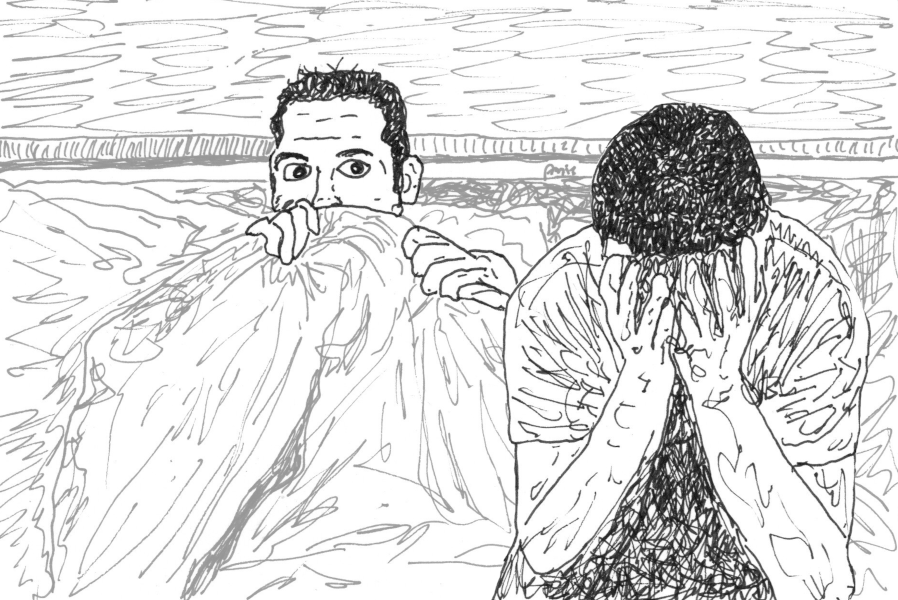 |
(Italiano) I due arrivano stremati all'hotel che il tassista ha consigliato loro. All'inizio tutto sembra andare bene, ma poi gli eventi prendono una piega che nessuno che non conosca i Ragazzi si sarebbe aspettato. |
(Deutsch) Hundemüde kommen die beiden in dem Hotel an, zu dem der Taxifahrer ihnen geraten hat. Anfangs scheint auch alles in Ordnung zu sein, aber dann überschlagen sich die Ereignisse in einer Weise, die niemand erwartet hätte, der die Jungs nicht kennt. Normal Version | ||
Horrorhotel Tag 37/38 1 Helmut: Na also, da sind wir. Sieht doch ganz ordentlich aus, die Hütte. |
Day 37/38 Helmut: Well, here we are. The hut looks pretty decent, doesn't it? |
Jour 37/38 Helmut : Eh bien, nous y voilà. L'endroit a l'air bien rangée, n'est-ce pas ? |
Giorno 37/38 Helmut: Bene, eccoci qui. Il posto sembra piuttosto ordinato. |
Día 37/38 Helmut: Bueno, aquí estamos. El sitio tiene muy buena pinta, ¿verdad? |
2 Helmut: Also, das Bad sollte man nur im Notfall benutzen, das ist sehr ... Heinz? Wo ist der Typ? |
Helmut: Well, you should only use the bathroom in an emergency, it's very... Heinz? Where is the guy? |
Helmut : Alors, la salle de bain ne devrait être utilisée qu'en cas d'urgence, c'est très... Heinz ? Où est le gars ? |
Helmut: Beh, dovresti usare il bagno solo in caso di emergenza, è molto... Heinz? Dov'è il ragazzo? |
Helmut: Bueno, solo deberías usar el baño en caso de emergencia, es muy... ¿Heinz? ¿Dónde está el chico? |
3 Helmut: Tu doch was! |
Helmut: Do something! |
Helmut : Mais fais quelque chose ! |
Helmut: Ma fai qualcosa! |
Helmut: ¡Haz algo! |
4 Heinz: Oh Mann, was für eine Bruchbude! Sssssipp |
Heinz: Oh man, what a dump! Zzzzzip |
Heinz : Oh mec, quel taudis ! Zzzzzip |
Heinz: Oh cavolo, che fatiscenta baracca! Zzzzzip |
Heinz: ¡Oh, tío, qué tugurio! Zzzzzip |
(English) The Boys come to stay with Lodge member Petra, who runs a dog shelter within sight of the pyramids. After two failures, Helmut finally manages to turn things around and achieve a victory, even if it doesn't look like it at first. |
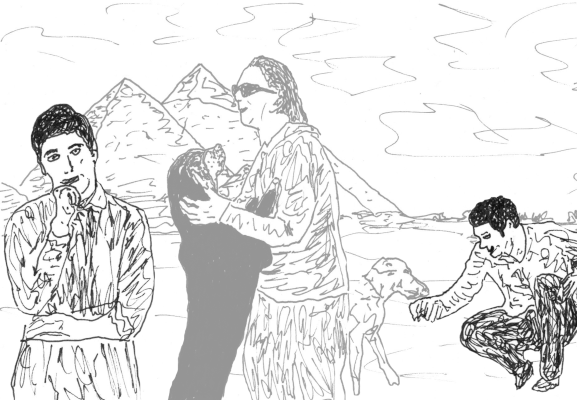 |
(Italiano) I Ragazzi vengono ospitati da Petra, membro della Loggia, che gestisce un rifugio per cani a vista delle piramidi. Dopo due fallimenti, Helmut riesce finalmente a ribaltare la situazione e a ottenere una vittoria, anche se all'inizio non sembra così. |
(Deutsch) Die Jungs kommen beim Logenmitglied Petra unter, die ein Hundeasyl in Sichtweite der Pyramiden betreibt. Nach zwei Misserfolgen gelingt es Helmut endlich, das Ruder herumzureißen und einen Sieg zu erringen, auch wenn es erst nicht danach aussieht. Normal Version | ||
Tag 40 1 Heinz: Was ist mit dir? Ist doch alles wieder in Ordnung, oder? |
Day 40 Heinz: What's the matter with you? Everything's all right again, isn't it? |
Jour 40 Heinz : Qu'est-ce qui t'arrive ? Tout va bien maintenant, n'est-ce pas ? |
Giorno 40 Heinz: Cosa c'è che non va? È di nuovo tutto a posto, vero? |
Día 40 Heinz: ¿Qué te pasa? Ahora todo va bien, ¿no? |
2 Helmut: Das bildest du dir ein. |
Helmut: That's your imagination. |
Helmut : C'est ton imagination. |
Helmut: È la tua immaginazione. |
Helmut: Te lo estás imaginando. |
3 Helmut: Kuck mal, ich wedele ihr mit der Hand vor den Augen, die merkt gar nichts. |
Helmut: Look, I'm waving my hand in front of her eyes, she doesn't notice anything. |
Helmut : Regarde, j'agite la main devant ses yeux, elle ne remarque rien. |
Helmut: Guarda, le sto agitando la mano davanti agli occhi, non si accorge di nulla. |
Helmut: Mira, estoy agitando la mano delante de sus ojos, no se da cuenta de nada. |
4 Heinz: Feuer. Oh Scheiße, ich krieg Schiss, Mann! |
Heinz: Fire. Oh shit, I'm scared, man! |
Heinz : Du feu. Oh la trouille, je me dégonfle, mec ! |
Heinz: Fuoco. Oh merda, ho paura, amico! |
Heinz: Fuego. Mierda, ¡tengo miedo, tío! |
(English) While Heinz is brooding over the oracle's message, it occurs to him that he must finally inform Fiona about his journey. Helmut does his best to help him. |
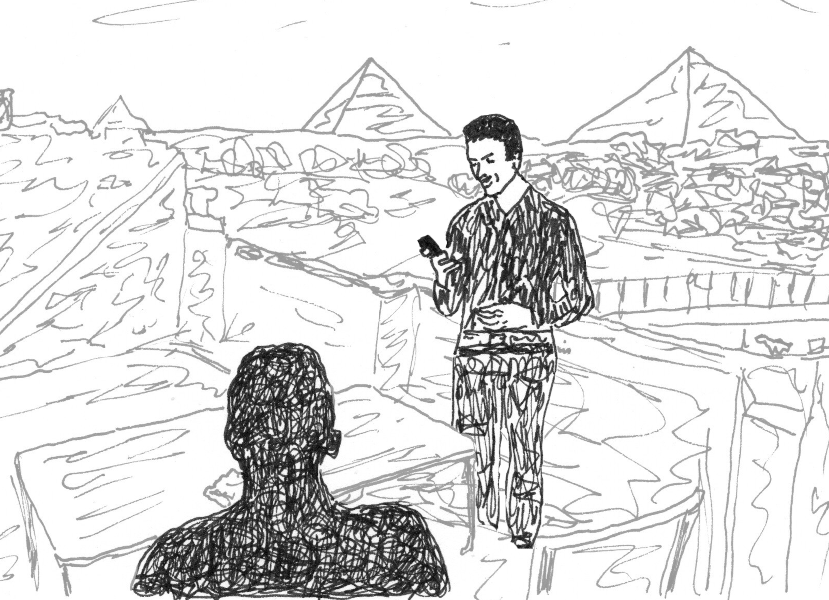 |
(Italiano) Mentre Heinz riflette sul messaggio dell'oracolo, si rende conto che deve finalmente informare Fiona del suo viaggio. Helmut fa del suo meglio per aiutarlo. |
(Deutsch) Während Heinz über den Orakelspruch grübelt, fällt ihm ein, dass er unbedingt endlich Fiona über seine Reise informieren muss. Helmut tut sein Bestes, um ihm dabei zu helfen. Normal Version | ||
über dem Nil Tag 40 1 Heinz: „Ohne Krieg leben heißt ohne Politik leben.” Ich krieg's nicht geknackt. |
above the Nile Day 40 Heinz: "Living without war means living without politics." I can't crack it. |
au-dessus du Nil Jour 40 Heinz : « Vivre sans guerre, c'est vivre sans politique ». Je n'arrive pas à le déchiffrer. |
sopra il Nilo Giorno 40 Heinz: "Vivere senza guerra significa vivere senza politica." Non riesco a decifrarlo. |
Día 40 Heinz: "Vivir sin guerra significa vivir sin política." No puedo descifrarlo. |
2 Heinz: Was ist denn mit dir los? Gibst du jetzt den Echnaton oder was? |
Heinz: What's wrong with you? Are you playing Akhenaten now or what? |
Heinz : Qu'est-ce qui ne va pas chez toi ? Tu te fais passer pour Akhenaton maintenant ou quoi ? |
Heinz: Cosa c'è che non va in te? Stai giocando ad Akhenaton o cosa? |
Heinz: ¿Qué te pasa? ¿Te haces pasar por Akenatón ahora o qué? |
3 Helmut: Wir werden die Faszination Nil erleben und unter den Sternen schlafen! |
Helmut: We're going to experience the magic of the Nile and sleep under the stars! |
Helmut : Nous allons vivre la fascination du Nil et dormir à la belle étoile ! |
Helmut: Vivremo la magia del Nilo e dormiremo sotto le stelle! |
Helmut: ¡Vamos a experimentar la fascinación del Nilo y a dormir bajo las estrellas! |
4 Heinz: Ja, jetzt nicht übertreiben. Wieso überhaupt Kleopatra? Du meinst: wie Echnaton der Nofretete. |
Heinz: Yes, don't exaggerate now. And why Cleopatra? You mean: like Akhenaten did to Nefertiti. |
Heinz : Oui, n'exagère pas, quand même. Pourquoi Cléopâtre d'ailleurs ? Tu veux dire : comme Akhenaton l'a fait pour Néfertiti. |
Heinz: Sì, non esagerare ora. E perché Cleopatra? Vuoi dire: come Akhenaton fece con Nefertiti. |
Heinz: Sí, no exageres ahora. ¿Y por qué Cleopatra? Querrás decir: como Akenatón hizo con Nefertiti. |
(English) Fiona is enjoying her break from Heinz when he sends her a message. Fanni is surprised by her jogging partner's reaction and gives her some details she hasn't been aware of. |
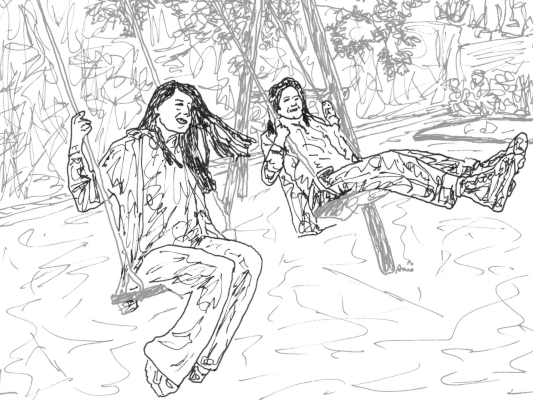 |
(Italiano) Fiona si sta godendo la sua pausa da Heinz quando lui le invia un messaggio. Fanni è stupita dalla reazione della sua compagna di jogging e le fornisce alcuni dettagli di cui non si rendeva conto. |
(Deutsch) Fiona genießt ihre Pause von Heinz, als der ihr eine Nachricht sendet. Fanni ist erstaunt über die Reaktion ihrer Jogging-Partnerin und nennt ihr einige Details, derer sie sich nicht bewusst gewesen ist. Normal Version | ||
Tag 40 1 Fanni: Stopp, warte, ich kann nicht mehr. Fiona! |
Day 40 Fanni: Stop, wait, I can't go on. Fiona! |
Jour 40 Fanni : Arrête, attends, je n'en peux plus. Fiona ! |
Giorno 40 Fanni: Fermati, aspetta, non posso più. Fiona! |
Día 40 Fanni: Para, espera, ya no puedo más. ¡Fiona! |
2 Fiona: Es wird schon dunkel. Wollen wir noch was kochen oder bist du mit deinem Peter verabredet? |
Fiona: It's getting dark already. Shall we cook something or do you have a date with your Peter? |
Fiona : Il fait déjà nuit. On fait à manger ou t'as rendez-vous avec ton Peter ? |
Fiona: Si sta già facendo buio. Cuciniamo qualcosa o hai un appuntamento con il tuo Peter? |
Fiona: Ya está anocheciendo. ¿Cocinamos algo o tienes una cita con tu Peter? |
3 Fanni: Na und? Was geht sie das an, sie ist ja nicht mit ihm verheiratet! |
Fanni: So what? None of her business, she's not married to him, is she? |
Fanni : Et alors ? Ça ne la regarde pas. Enfin, elle n'est pas mariée avec lui. |
Fanni: E allora? Non sono affari suoi. Voglio dire, non è sposata con lui. |
Fanni: ¿Y qué? No es asunto suyo. No está casada con él. |
4 Fiona: Was soll ich denn jetzt machen? |
Fiona: What am I supposed to do now? |
Fiona : Qu'est-ce que je vais faire maintenant ? |
Fiona: Cosa dovrei fare ora? |
Fiona: ¿Qué voy a hacer ahora? |
(English) The Boys are on their way to the Pharaoh's cult site and nothing can stop them. At least not for long. During the stylish trip on the Nile in a sailing boat, they are entertained by their travel companions and Helmut finds a lucrative sideline. |
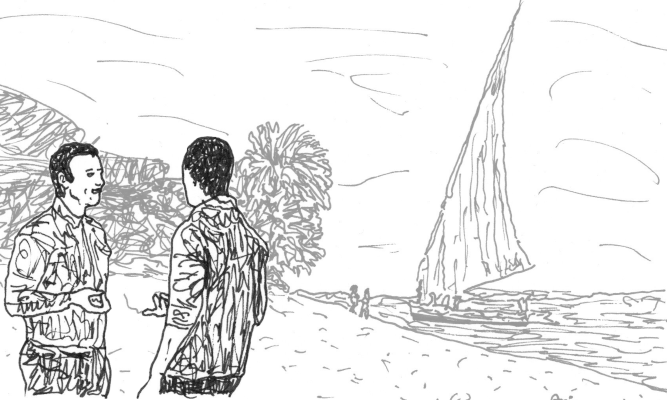 |
(Italiano) I Ragazzi sono in viaggio verso il luogo di culto del Faraone e nulla può fermarli. Almeno non per molto tempo. Durante l'elegante viaggio sul Nilo in barca a vela, vengono intrattenuti dai loro compagni di viaggio e Helmut trova una redditizia attività secondaria. |
(Deutsch) Die Jungs sind auf dem Weg zur Kultstätte des Pharaos und nichts kann sie aufhalten. Jedenfalls nicht lange. Während der stilvollen Fahrt mit dem Segelboot auf dem Nil werden sie von ihren Reisebegleitern unterhalten und Helmut findet eine lukrative Nebenbeschäftigung. Normal Version | ||
Tag 42 1 Heinz: Nicht schon wieder, oder? |
Day 42 Heinz: Not again, is it? |
Jour 42 Heinz : Oh non, pas encore ! |
Giorno 42 Heinz: Non di nuovo, vero? |
Día 42 Heinz: ¡Oh no, otra vez no!, ¿verdad? |
2 Heinz: Was? Also deshalb werft ihr einander ständig Zahlen zu, das sind Dollarbeträge. Und worüber wettet ihr? |
Heinz: What? So that's why you're always throwing numbers at each other, they're dollar amounts. And what do you bet on? |
Heinz : Quoi ? C'est donc pour ça que vous vous lancez toujours des chiffres, ce sont des montants en dollars. Et sur quoi pariez-vous ? |
Heinz: Cosa? Quindi è per questo che vi lanciate sempre numeri, sono cifre in dollari. E su cosa scommettete? |
Heinz: ¿Qué? Por eso siempre os estáis lanzando números, son cantidades en dólares. ¿Y a qué apostáis? |
3 Helmut: Mike? Hey Mike. Es geht weiter! Was? Ja, OK. |
Helmut: Mike? Hey Mike. We are moving on! What? Yes, OK. |
Helmut : Mike ? Hé Mike. Ça continue ! Quoi ? Oui, d'accord. |
Helmut: Mike? Ehi, Mike. Si va avanti! Cosa? Sì, ok. |
Helmut: ¿Mike? Hola Mike. ¡Seguimos adelante! ¿Qué? Sí, vale. |
4 Helmut: (...) Stan fragt, ob du ein Sandwich möchtest. |
Helmut: (...) Stan asks if you want a sandwich. |
Helmut : (...) Stan demande si tu veux un sandwich. |
Helmut: (...) Stan chiede se vuoi un panino. |
Helmut: (...) Stan te pregunta si quieres un bocadillo. |
(English) Now the two have arrived in the city where it all began. There's not much left to see, but Heinz is still inspired by the place, while Helmut discovers the local customs and explores Amarna's wildlife. |
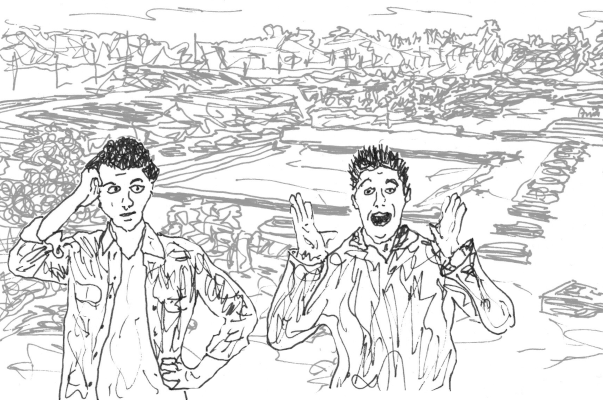 |
(Italiano) Ora i due sono arrivati nella città dove tutto è cominciato. Non è rimasto molto da vedere, ma Heinz è comunque ispirato dal luogo, mentre Helmut si avvicina alle usanze locali ed esplora la fauna di Amarna. |
(Deutsch) Nun sind die beiden angekommen in der Stadt, wo alles begann. Viel ist zwar nicht mehr zu sehen, aber Heinz wird dennoch vom Ort inspiriert, während Helmut sich den regionalen Sitten annähert und er Amarnas Tierwelt erkundet. Normal Version | ||
Tag 42 1 Helmut: Ob die Skorpione hier in Ägypten wohl giftig sind? |
Day 42 Helmut: Do you think the scorpions here in Egypt are poisonous? |
Jour 42 Helmut : Penses-tu que les scorpions ici en Égypte sont venimeux ? |
Giorno 42 Helmut: Pensi che gli scorpioni qui in Egitto siano velenosi? |
Día 42 Helmut: ¿Crees que los escorpiones aquí en Egipto son venenosos? |
2 Heinz: Klar. Na, dann kann ja nichts mehr schiefgehen. In Echnatons Grabkeller hatte ich übrigens eine Vision. |
Heinz: Of course. Well, surely nothing can go wrong then. By the way, I had a vision in Akhenaten's tomb cellar. |
Heinz : Bien sûr. Donc, rien ne peut plus mal tourner. D'ailleurs, j'ai eu une vision dans la cave du tombeau d'Akhenaton. |
Heinz: Certo. Beh, allora non c'è niente che possa andare storto. A proposito, ho avuto una visione nella cantina della tomba di Akhenaton. |
Heinz: Por supuesto. Entonces seguro que nada puede salir mal. Por cierto, tuve una visión en el sótano de la tumba de Akenatón. |
3 Helmut: Was soll das denn heißen, sogar ich? Spinnst du? Hey hey hey, Moment mal: Leven zonder oorlog betekent leven zonder politiek! |
Helmut: What do you mean, even me? Are you nuts? Hey hey hey, wait a minute: Leven zonder oorlog betekent leven zonder politiek! |
Helmut : Qu'est-ce que ça veut dire, même moi ? Tu es dingue ? Hé hé hé, attends une minute : Leven zonder oorlog betekent leven zonder politiek ! |
Helmut: Che cosa vorrebbe dire, persino io? Sei impazzito? Ehi ehi ehi, aspetta un attimo: Leven zonder oorlog betekent leven zonder politiek! |
Helmut: ¿Qué se supone que significa eso, incluso yo? ¿Estás loco? Eh, eh, eh, espera un momento: ¡Leven zonder oorlog betekent leven zonder politiek! |
4 Heinz: Ich recherchier das mal kurz. |
Heinz: I'll do a little research. |
Heinz : Je vais faire une petite recherche. |
Heinz: Farò una piccola ricerca. |
Heinz: Investigaré un poco. |
(English) On a walk through the village beside the pharaonic city, our heroes are surprised when they encounter an old acquaintance who will be at their side from now on. The locals, too, have their share of fun as they are granted to experience the Boys live. |
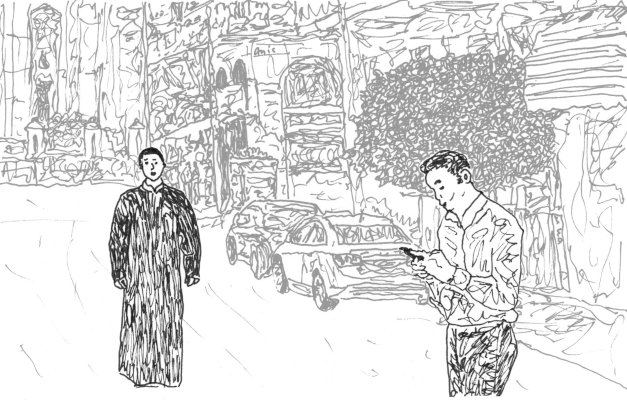 |
(Italiano) Mentre camminano nel villaggio vicino alla città del faraone, i nostri eroi sono sorpresi di incontrare una vecchia conoscenza che sarà al loro fianco d'ora in poi. Anche la gente del posto ha il suo tornaconto, perché può vedere i Ragazzi dal vivo. |
(Deutsch) Bei einem Spaziergang durchs Dorf bei der Pharaonenstadt treffen unsere Helden überraschend auf einen alten Bekannten, der ihnen von nun an zur Seite stehen wird. Auch die Einheimischen kommen auf ihre Kosten, die die Jungs live erleben dürfen. Normal Version | ||
Tag 43 1 Heinz: Es gibt hier übrigens auch Schlangen, wenn du mal was Neues ausprobieren willst. Klonk |
Day 43 Heinz: There are snakes here too, by the way, in case you want to try something new. Clonk |
Jour 43 Heinz : Au fait, il y a aussi des serpents ici, au cas où tu voudrais essayer quelque chose de nouveau. Clonc |
Giorno 43 Heinz: A proposito, qui ci sono anche dei serpenti, nel caso tu voglia provare qualcosa di nuovo. Clonc |
Día 43 Heinz: Por cierto, aquí también hay serpientes, por si quieres probar algo nuevo. Clonc |
2 Helmut: Versuch's noch mal, du hast sie noch nicht völlig überzeugt. |
Helmut: Try again, you haven't completely convinced them yet. |
Helmut : Essaie encore, tu ne les as pas encore complètement convaincus. |
Helmut: Riprova, non li hai ancora convinti del tutto. |
Helmut: Inténtalo de nuevo, aún no les has convencido del todo. |
3 Helmut: (...) Also, das war eine Überraschung. Und wie sich alles sofort ändert, wenn man einen Einheimischen kennt! Aber nun ist Abed wieder weg. |
Helmut: (...) Well, that was a surprise. And how everything changes immediately once you know a local! But now Abed's gone again. |
Helmut : (...) Eh bien, c'était une surprise. Et comme tout change immédiatement quand on connaît un autochtone ! Mais maintenant, Abed est reparti. |
Helmut: (...) Beh, è stata una sorpresa. E come tutto cambia immediatamente quando conosci un abitante del posto! Ma ora Abed se n'è andato di nuovo. |
Helmut: (...) Vaya, qué sorpresa. ¡Y cómo cambia todo inmediatamente cuando llegas a conocer a un lugareño! Pero ahora Abed se ha vuelto a ir. |
4 Helmut: Die Jungs in Action. |
Helmut: The boys in action. |
Helmut : Les gars en action. |
Helmut: I ragazzi in azione. |
Helmut: Los chicos en acción. |
(English) When their companion Abed shows them a relief in the burial chamber of Akhenaten's high priest, Helmut uses an unusual means to immerse himself in the mind set of this distant historical epoch. |
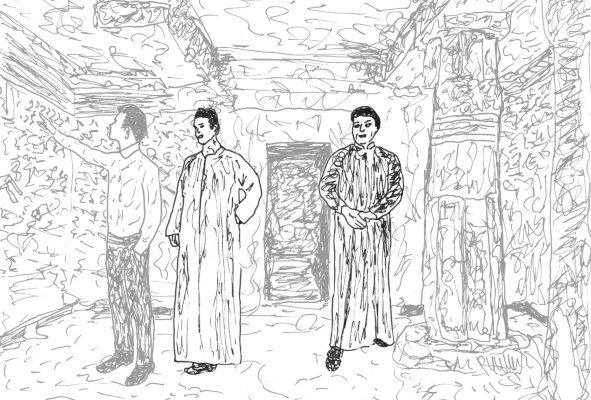 |
(Italiano) Quando il loro compagno Abed mostra loro un rilievo nella camera funeraria del sommo sacerdote di Akhenaton, Helmut utilizza un mezzo insolito per entrare in empatia con la mentalità di questa lontana epoca storica. |
(Deutsch) Als ihr Begleiter Abed den beiden ein Relief in der Grabkammer von Echnatons Hohepriester zeigt, bedient sich Helmut eines ungewöhnlichen Mittels, um sich in die Gedankenwelt dieser weit entfernten historischen Epoche einzufühlen. Normal Version | ||
Tag 43 1 Helmut: Kannst du mal ein Stückchen nach rechts gehen, du stehst im Bild. |
Day 43 Helmut: Can you move a little to the right, you're in the picture. |
Jour 43 Helmut : Peux-tu te déplacer un peu vers la droite, tu me caches l'image. |
Giorno 43 Helmut: Potresti spostarti un po' a destra, mi stai bloccando la visuale. |
Día 43 Helmut: Podrías moverte un poco a la derecha, me tapas la vista. |
2 Helmut: Also noch mal: Erst gab es viele Götter in Ägypten und dann nur noch einen. So war's doch, oder? |
Helmut: So again: first there were many gods in Egypt and then there was only one. Isn't that how it was? |
Helmut : Donc, encore une fois : il y avait d'abord beaucoup de dieux en Égypte, puis il n'y en avait plus qu'un seul. C'est ce qui s'est passé, n'est-ce pas ? |
Helmut: Quindi, ancora una volta: prima c'erano molti dei in Egitto, poi ce n'era uno solo. Non è così che è andata? |
Helmut: Así que una vez más: primero había muchos dioses en Egipto y luego sólo había uno. ¿No fue así? |
3 Helmut: Äh, Merire! Da, er leuchtet wieder! Meriri-Baby, wirst du die heilige Einheit wahren und schützen, so wahr Aton dir beisteht? |
Helmut: Uh, Meryra! There, it's lit up again! Meryrie baby, will you preserve and protect the sacred unity, so help you the Aten? |
Helmut : Euh, Méryrê ! Là, elle s'est rallumée! Méryry baby, vas-tu préserver et protéger l'unité sacrée, ainsi t'aidera Aton ? |
Helmut: Ehm, Meryra! Ecco, si è illuminato di nuovo! Meryri baby, vuoi preservare e proteggere la sacra unità, che Aton ti aiuti? |
Helmut: ¡Eh, Meryra! Ya está, ¡se ha vuelto a iluminar! Meryri baby, ¿vas a preservar y proteger la unidad sagrada, que Atón te ayude? |
4 Helmut: Die Einheit entwickelt sich weiter, Mann, sie ... Frag die Frau! |
Helmut: The unity is evolving, man, it's... Ask the woman! |
Helmut : L'unité évolue, mec, c'est... Demande à la femme ! |
Helmut: L'unità si sta evolvendo, amico, è... Chiedi alla donna! |
Helmut: La unidad está evolucionando, tío, es... ¡Pregúntale a la mujer! |
(English) Children sometimes see the world more clearly than adults, Helmut thinks, and encourages his friend not to brood too much. Heinz takes the advice to heart and springs into action. |
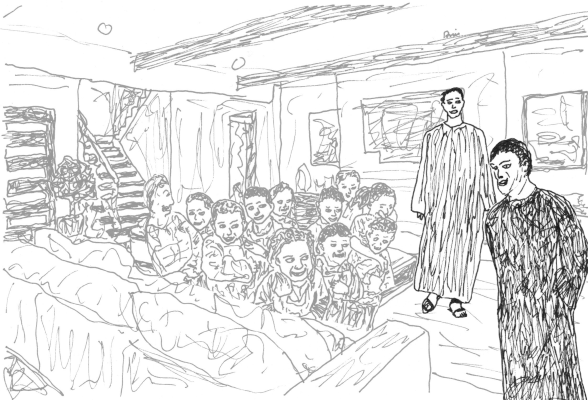 |
(Italiano) I bambini a volte vedono il mondo più chiaramente degli adulti, pensa Helmut, e incoraggia il suo amico a non rimuginare troppo. Heinz prende a cuore il consiglio e passa all'azione. |
(Deutsch) Kinder sehen die Welt manchmal klarer als Erwachsene, findet Helmut und ermutigt seinen Freund, nicht zu viel zu grübeln. Heinz nimmt sich den Rat zu Herzen und wird aktiv. Normal Version | ||
Tag 44 1 Heinz: Versuchen wir es noch mal! |
Day 44 Heinz: Let's try it one more time! |
Jour 44 Heinz : Essayons encore une fois ! |
Giorno 44 Heinz: Proviamo ancora una volta! |
Día 44 Heinz: ¡Intentémoslo otra vez! |
2 Helmut: Und was meint Abed nun mit „sublimiert”? |
Helmut: And what does Abed mean by "sublimate"? |
Helmut : Et que veut dire Abed par « sublimé » alors ? |
Helmut: E cosa intende Abed per "sublimare"? |
Helmut: ¿Y qué quiere decir Abed con "sublimado"? |
3 Helmut: Verstehst du denn nicht? Sie hat dir eine Lektion erteilt. Du sollst nicht so viel grübeln, denn die Antworten sind alle da. |
Helmut: Don't you understand? She's taught you a lesson. You shouldn't brood so much, because the answers are all there. |
Helmut : Tu ne comprends donc pas ? Elle t'a donné une leçon. Tu ne dois pas trop réfléchir, car toutes les réponses sont là. |
Helmut: Non capisci? Ti ha dato una lezione. Non dovresti riflettere così tanto, perché le risposte sono tutte lì. |
Helmut: ¿No lo entiendes? Te ha dado una lección. No tienes que pensar demasiado, porque las respuestas están todas ahí. |
4 Heinz: (...) Ja? |
Heinz: (...) Yes? |
Heinz : (...) Oui ? |
Heinz: (...) Sì? |
Heinz: (...) ¿Sí? |
(English) Heinz receives a hint that he is already very close to his final goal. When Helmut makes fun of this, memories of a long-ago camping vacation in Holland come to the surface, which Helmut no longer wants to know about. |
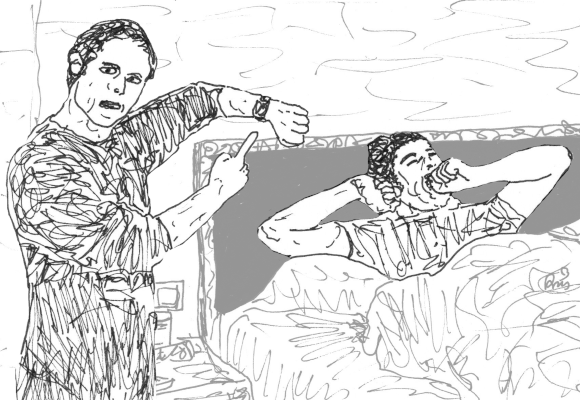 |
(Italiano) Heinz riceve la notizia che è già molto vicino al suo obiettivo. Quando Helmut lo prende in giro, vengono a galla i ricordi di una vecchia vacanza in campeggio in Olanda, di cui Helmut non vuole più sapere. |
(Deutsch) Heinz bekommt den Hinweis, dass er seinem Ziel schon sehr nahe ist. Als sich Helmut darüber lustigmacht, kommen Erinnerungen an einen weit zurückliegenden Zelturlaub in Holland an die Oberfläche, von denen Helmut heute nichts mehr wissen will. Normal Version | ||
Tag 45 1 Heinz: Fiona? Wie kommst du denn auf einmal hier her? |
Day 45 Heinz: Fiona? But how did you get here all of a sudden? |
Jour 45 Heinz : Fiona ? Mais comment es-tu arrivée ici tout d'un coup ? |
Giorno 45 Heinz: Fiona? Ma come sei arrivata qui all'improvviso? |
Día 45 Heinz: ¿Fiona? ¿Cómo has llegado aquí de repente? |
2 Helmut: Mann, jetzt wach endlich auf, danach kannst du so viele Teile verbinden, wie du willst! |
Helmut: Man, wake up now, then you can connect as many parts as you want! |
Helmut : Mec, réveille-toi maintenant, après tu pourras relier autant de pièces que tu veux ! |
Helmut: Amico, svegliati ora, dopo questo puoi collegare tutti i pezzi che vuoi! |
Helmut: ¡Tío, despierta ya, después de esto puedes unir todas las piezas que quieras! |
3 Helmut: Hab ich vielleicht jemals ... Na ja, lassen wir das. Du redest übrigens ziemlich viel Bockmist, wenn du schläfst. |
Helmut: Have I ever... Well, let's not go there. By the way, you talk a lot of bullshit when you're asleep. |
Helmut : Est-ce que j'ai déjà... Eh bien, n'en parlons pas. Au fait, tu racontes pas mal de foutaises quand tu dors. |
Helmut: Forse l'ho mai... Beh, non parliamone. A proposito, dici un sacco di sciocchezze quando dormi. |
Helmut: ¿Alguna vez he...? Bueno, no hablemos de eso. Por cierto, dices muchas tonterías cuando estás dormido. |
4 Heinz: Und dann die Sache mit dem Satelliten. |
Heinz: And then the satellite thing. |
Heinz : Et puis l'histoire du satellite. |
Heinz: E poi la storia del satellite. |
Heinz: Y luego lo del satélite. |
(English) The party lasts two days and there is a lot of dancing. Helmut notices that each of the Boys has his own special method. Heinz summarizes what he has learned about the Lodge and the unity so far. |
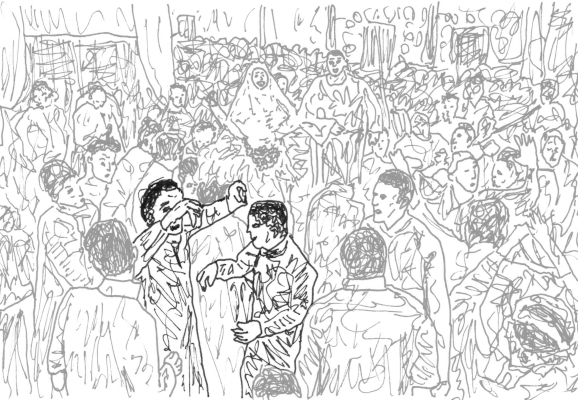 |
(Italiano) La festa dura due giorni e si balla molto. Helmut nota che ognuno dei Ragazzi ha il suo metodo speciale. Heinz riassume ciò che ha imparato sulla Loggia e sull'unità. |
(Deutsch) Zwei Tage dauert das Fest und es wird viel getanzt. Helmut fällt auf, dass jeder der beiden Jungs eine eigene, besondere Methode hat. Heinz fasst zusammen, was er inzwischen über die Loge und die Einheit gelernt hat. Normal Version | ||
Die Hochzeit Tag 46 1 Helmut: Ach hier bist du! Ich hab dich schon gesucht. |
The Wedding Day 46 Helmut: Oh, there you are! I've been looking for you. |
Le Mariage Jour 46 Helmut : Ah, tu es là ! Je te cherchais déjà. |
Il Matrimonio Giorno 46 Helmut: Oh, eccoti qui! Ti stavo cercando. |
La Boda Día 46 Helmut: Ah, ¡ahí estás! Te estaba buscando. |
2 Heinz: Ich kann nicht mehr. Lass uns zum Nilufer gehen und da ein bisschen sitzen. |
Heinz: I have no more energy. Let's go to the Nile bank and sit there for a while. |
Heinz : Je n'en peux plus. Allons au bord du Nil et restons-y un moment. |
Heinz: Non ne posso più. Andiamo sulla riva del Nilo e sediamoci lì per un po'. |
Heinz: No puedo más. Vayamos a la orilla del Nilo y sentémonos allí un rato. |
3 Helmut: Hm. Und warum ist der Konflikt ausgerechnet bei der Ernennung des Hohepriesters ausgebrochen? |
Helmut: Hm. And why did the conflict precisely break out when the high priest was appointed? |
Helmut : Hum. Et pourquoi le conflit a-t-il éclaté précisément au moment de la nomination du grand prêtre ? |
Helmut: Hmm. E perché il conflitto scoppiò proprio quando fu nominato il sommo sacerdote? |
Helmut: Hmm, ¿y por qué estalló el conflicto precisamente cuando se nombró al sumo sacerdote? |
4 Helmut: Hast du das auch mit der Heinz-Methode herausgefunden? |
Helmut: Did you use the Heinz method to find that out as well? |
Helmut : Tu l'as découvert avec la méthode Heinz aussi ? |
Helmut: Hai usato il metodo Heinz per scoprire anche questo? |
Helmut: ¿También descubriste esto con el método Heinz? |
(English) Back in Germany, Helmut invites Heinz and Fiona to Hedu's hut by the pond. Heinz has a feeling of what is about to happen. Helmaton gives another performance and Aouda also joins the show. |
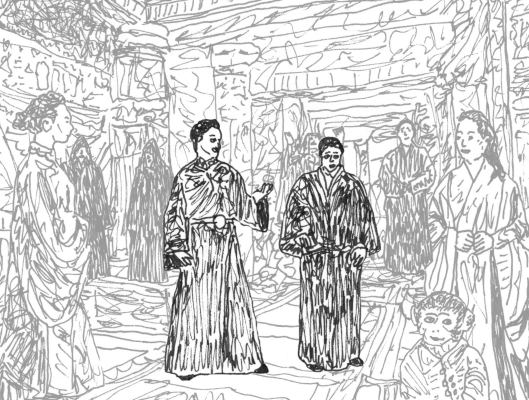 |
(Italiano) Tornato in Germania, Helmut invita Heinz e Fiona alla capanna di Hedu vicino allo stagno. Heinz ha già un'idea di cosa aspettarsi. Helmaton mette in scena un altro spettacolo e anche Aouda si presenta. |
(Deutsch) Zurück in Deutschland lädt Helmut Heinz und Fiona in Hedus Hütte am Teich ein. Heinz ahnt, was auf ihn zukommt. Helmaton gibt eine weitere Vorstellung und Aouda ist auch mit von der Partie. Normal Version | ||
Tag 50 1 Helmut: Ah, da seid ihr ja! Äh, wieso klemmt dieses Misttor jetzt? |
Day 50 Helmut: Ah, there you are! Uh, why is this damn gate stuck now? |
Jour 50 Helmut : Ah, vous êtes là ! Euh, pourquoi cette porte de merde est-elle bloquée maintenant ? |
Giorno 50 Helmut: Ah, eccovi qui! Ehm, perché questo dannato cancello è bloccato ora? |
Día 50 Helmut: ¡Ah, ahí estás! Eh, ¿por qué está atascada ahora esta maldita puerta? |
2 Heinz: Ich hatte das schon geahnt. (...) Wow, so viele Leute! Wenn es so feierlich wird, werd ich ganz unsicher. |
Heinz: I had already guessed that. (...) Wow, so many people! When things get this festive, I start to feel a bit insecure. |
Heinz : Je m'en doutais. (...) Wow, tant de monde ! Quand c'est aussi solennel, je commence à ne plus me sentir très sûr de moi. |
Heinz: L'avevo già intuito. (...) Wow, quanta gente! Quando le cose diventano così solenne, inizio a sentirmi un po' insicuro. |
Heinz: Ya lo había adivinado. (...) ¡Vaya, cuánta gente! Cuando las cosas se ponen tan solemnes, empiezo a sentirme un poco inseguro. |
3 Heinz: Helmut? |
Heinz: Helmut? |
Heinz : Helmut ? |
Heinz: Helmut? |
Heinz: ¿Helmut? |
4 Helmut: Nun, Nofi, was hältst du davon? |
Helmut: Well, Nefi, what do you think? |
Helmut : Alors, Néfi, qu'est-ce que tu en penses ? |
Helmut: Allora, Nefi, cosa ne pensi? |
Helmut: Bueno, Nefi, ¿qué opinas? |
| Weiter geht's mit Staffel 5: Die Jungs auf der Schatzinsel / The story continues with The Boys on Treasure Island |
| up | |
| Datenschutzerklärung und Impressum (data privacy statement and imprint) |

