



|
home ao english musik literatur journalismus bilder sprachen mehr shop sitemap | |
Das Huhn von Baskerville 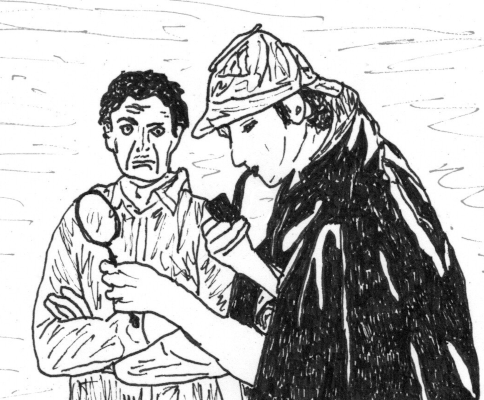 |
The Chicken of the Baskervilles |
La Poule des Baskerville |
Il Pollo dei Baskerville |
La Gallina de los Baskerville |
(Deutsch) Dies ist die linguistische Version der siebten Staffel der Jungs. Die Texte sind dieselben wie auf der Hauptseite. |
(English) This is the linguistic version of the seventh season of the Boys. The texts are the same as on the main page. |
(Français) Voici la version linguistique de la septième saison des Gars. Les textes sont les mêmes que sur la page principale. |
(Italiano) Questa è la versione linguistica della settima stagione dei Ragazzi. I testi sono gli stessi della pagina principale. |
(Español) Esta es la versión lingüística de la séptima temporada de los Chicos. Los textos son los mismos que en la página principal. |
(English) For a whole month, the Boys forget everything around them and live for the moment. Eventually, Heinz agrees to take on a dubious case that Helmut finds fascinating, just to bring some structure back into his life. |
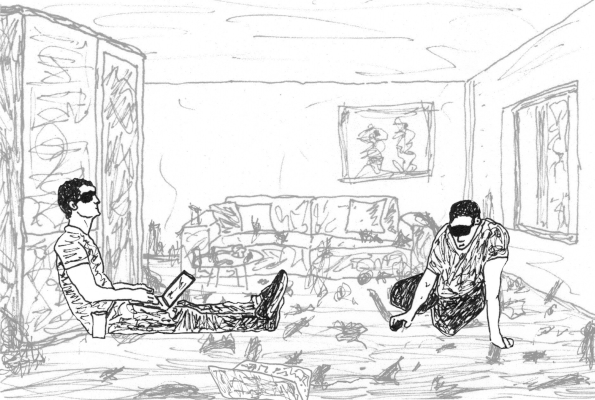 |
(Italiano) Per un mese intero, i Ragazzi dimenticano tutto ciò che li circonda e vivono alla giornata. Alla fine, Heinz accetta di occuparsi di un caso dubbio che Helmut trova affascinante, solo per riportare un po' di struttura nella sua vita. |
(Deutsch) Einen ganzen Monat lang vergessen die Jungs alles um sich herum und leben in den Tag hinein. Schließlich stimmt Heinz zu, einen dubiosen Fall, den Helmut faszinierend findet, anzunehmen, nur um wieder ein wenig Struktur in sein Leben zu bringen. Normal Version | ||
Tag 1 1 Heinz: Ding-dong! Helmut, gehst du mal zur Tür? Wo ist der Typ? Helmut!! Zu blöd! Also gut, ich ... Aaah! Krach schepper. Mist! Schschsch. Hallo? Ach so, ja, ich komm runter! Klp |
Day 1 Heinz: Ding-dong! Helmut, will you get the door? Where is that guy? Helmut!! Too bad! All right, I'll... Aaah! Crash clatter. Damn! Shshsh. Hello? Oh, yes, I'll come down! Klp |
Jour 1 Heinz : Ding-dong ! Helmut, tu peux aller à la porte ? Où est ce type ? Helmut ! Trop bête ! Bon, je... Aaah ! Crash claque. Zut ! Chchch ! Allô ? Ah oui, je descends ! Klp |
Giorno 1 Heinz: Ding-dong! Helmut, puoi andare alla porta? Dov'è quel ragazzo? Helmut! Troppo stupido! Va bene, io... Aaah! Crash tintin. Dannazione! Shshsh. Pronto? Oh, sì, scendo! Klp |
Día 1 Heinz: ¡Ding-dong! Helmut, ¿puedes ir a la puerta? ¿Dónde está ese tipo? ¡Helmut! ¡Demasiado estúpido! Está bien, yo... ¡Aaah! Choc tintin. ¡Maldita sea! Shshsh. ¡Diga! Ah, sí, ¡ahora bajo! Klp |
2 Heinz: (...) Da bist du ja! Da ist ein Paket für uns angekommen. Oh Mann, hier sieht's vielleicht aus! |
Heinz: (...) So there you are! A parcel has arrived for us. Oh man, the place is a mess! |
Heinz : (...) Ah, te voilà ! Un colis est arrivé pour nous. Oh là là, c'est le bordel ici ! |
Heinz: (...) Eccoti qui! È arrivato un pacco per noi. Oh cavolo, questo posto è un disastro! |
Heinz: (...) ¡Ahí estás! Ha llegado un paquete para nosotros. Oh tío, ¡este sitio es un desastre! |
3 Heinz: Hat das was mit den zehn Riesen zu tun, die wir gespendet haben? Mir ist immer noch nicht wohl bei der Sache. |
Heinz: Does this have something to do with the ten grand we donated? I still don't feel comfortable about it. |
Heinz : Est-ce que cela a un rapport avec les dix mille que nous avons donnés ? Je ne me sens toujours pas à l'aise avec ça. |
Heinz: Ha qualcosa a che fare con i 10.000 euro che abbiamo donato? Non mi sento ancora a mio agio con questa cosa. |
Heinz: ¿Tiene esto algo que ver con los diez mil que donamos? Todavía no me siento cómodo con esto. |
4 Helmut: Ich hab die Brillen an unsere Laptops angeschlossen, war ganz leicht. Pass auf, wir machen das einfach so ... |
Helmut: I connected the goggles to our laptops, it was easy. Look, we'll just do it like this... |
Helmut : J'ai connecté les lunettes à nos ordinateurs portables, c'était facile. Regarde, on va faire comme ça... |
Helmut: Ho collegato gli occhiali ai nostri computer portatili, è stato facile. Senti, faremo così... |
Helmut: He conectado las gafas a nuestros portátiles, ha sido fácil. Mira, lo haremos así... |
5 Heinz: Wir müssen was tun, Mann! Das kann so nicht weitergehen. |
Heinz: We have to do something, man! This can't go on. |
Heinz : Il faut faire quelque chose, mec ! Ça ne peut pas continuer comme ça. |
Heinz: Dobbiamo fare qualcosa, amico! Non possiamo continuare così. |
Heinz: ¡Tenemos que hacer algo! Esto no puede seguir así. |
6 Helmut: Ach so, jetzt, wo du es sagst. Ich hatte den Vulkanier Spock erwartet, den vom letzten Mal. |
Helmut: Ah, now that you mention it. I was expecting the Vulcan Spock, the one from last time. |
Helmut : Ah, maintenant que tu le dis. Je m'attendais à voir le Vulcain Spock, celui de la dernière fois. |
Helmut: Ah, ora che mi ci fai pensare, mi aspettavo lo Spock vulcaniano, quello dell'altra volta. |
Helmut: Ah, ahora que lo dices. Esperaba al Spock vulcano, el de la última vez. |
7 Helmut: Dann musst du jetzt mir was schenken, dann ist der Kreis geschlossen. |
Helmut: Then you have to give me something now, to close the circle. |
Helmut : Alors tu dois m'offrir quelque chose maintenant, pour boucler la boucle. |
Helmut: Allora adesso devi farmi un regalo, così il cerchio si chiude. |
Helmut: Entonces tienes que hacerme un regalo ahora, así se completa el círculo. |
8 Helmut: Was ist? Du machst Witze. Jetzt les ich es mir auch durch. Mmm mmm, du hast recht. Was ist das denn für eine abgefahrene Geschichte? |
Helmut: What's that? You're joking. I'll read it too, now. Mmm mmm, you're right. What kind of crazy story is that? |
Helmut : Qu'est-ce que c'est ? Tu te moques de moi. Je vais le lire aussi, maintenant. Mmm mmm, tu as raison. Qu'est-ce que c'est que cette histoire de fou ? |
Helmut: Che cos'è? Stai scherzando. Ora lo leggo anch'io. Mmm mmm, hai ragione. Che razza di storia assurda è questa? |
Helmut: ¿Qué es eso? Estás de cachondeo. Ahora lo leeré yo también. Mmm mmm, tienes razón. ¿Qué clase de historia loca es esa? |
9 Heinz: Ich les hier grad noch das Kleingedruckte. Viele Informationen sind es nicht. Im Dartmoor, wie ungemütlich. Warte mal, gibt's die Baskervilles denn wirklich? Ich dachte, das sind fiktive Personen. |
Heinz: I'm just reading the small print. There's not much information here. Dartmoor, how uncomfortable. Wait a minute, are the Baskervilles real? I thought they were fictional characters. |
Heinz : Je suis en train de lire les petits caractères. Il n'y a pas beaucoup d'informations. Dartmoor, comme c'est inconfortable. Attends, les Baskerville existent-ils vraiment ? Je croyais que c'était des personnages de fiction. |
Heinz: Sto leggendo le scritte in piccolo. Non ci sono molte informazioni qui. Dartmoor, che scomodità. Aspetta un attimo, i Baskerville esistono davvero? Pensavo fossero personaggi di fantasia. |
Heinz: Estoy leyendo la letra pequeña. Aquí no hay mucha información. Dartmoor, qué incómodo. Un momento, ¿los Baskerville son reales? Creía que eran personajes de ficción. |
10 Heinz: Das ist doch Hühnerkram! Aber weißt du was? Ich bin dabei. Wir brauchen einen Impuls von außen, sonst versinken wir bald in unserer eigenen Faulheit. |
Heinz: That's chicken stuff! But you know what? I'm in. We need an external stimulus, otherwise we'll soon sink into our own laziness. |
Heinz : Ce n'est pas comme si j'étais une poule mouillée... Mais tu sais quoi ? Je suis partant. Nous avons besoin d'un stimulus extérieur, sinon nous sombrerons vite dans notre propre paresse. |
Heinz: È roba da fare ridere i polli! Ma sai cosa? Io ci sto. Abbiamo bisogno di uno stimolo esterno, altrimenti sprofonderemo presto nella nostra stessa pigrizia. |
Heinz: ¡Tonterías de gallinas! ¿Pero sabes qué? Me apunto. Necesitamos un estímulo externo, de lo contrario pronto nos hundiremos en nuestra propia pereza. |
(English) The Boys can't agree on who should play Sherlock Holmes in their new case. But one of them has to, because that's what their eccentric client has demanded. In the end, they let luck decide. Or is it fate? |
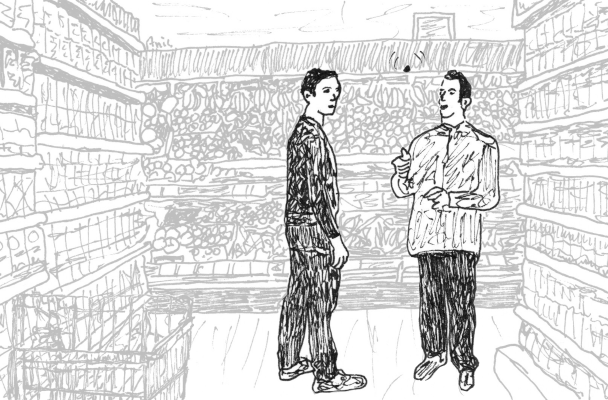 |
(Italiano) I Ragazzi non riescono a trovare un accordo su chi di loro debba interpretare Sherlock Holmes nel loro nuovo caso. Ma deve essere uno di loro, perché è quello che ha chiesto il loro eccentrico cliente. Alla fine, lasciano che sia la fortuna a decidere. O è il destino? |
(Deutsch) Die Jungs werden sich nicht darüber einig, wer von beiden in ihrem neuen Fall den Sherlock Holmes verkörpern soll. Einer aber muss es sein, denn das hat ihr exzentrischer Auftraggeber verlangt. Schließlich lassen sie das Glück entscheiden. Oder ist es das Schicksal? Normal Version | ||
Tag 2 1 Heinz: Wir können es auch lassen! Dann ist eben keiner von uns beiden Holmes, fertig. |
Day 2 Heinz: We can also just forget about it! That way, neither of us will be Holmes, and that's that. |
Jour 2 Heinz : On peut aussi oublier tout ça ! Alors aucun de nous deux n'est Holmes, terminé. |
Chi è Holmes? Giorno 2 Heinz: Possiamo anche dimenticare tutto questo! Allora nessuno di noi due è Holmes, finito. |
Día 2 Heinz: ¡También podemos olvidar todo eso! Entonces ninguno de los dos es Holmes, acabado. |
2 Helmut: Ich hab die Helmutmethode, die ist unschlagbar. |
Helmut: I have the Helmut method, which is unbeatable. |
Helmut : J'ai la méthode Helmut, elle est imbattable. |
Helmut: Io ho il metodo Helmut, che è imbattibile. |
Helmut: Yo tengo el método Helmut, es imbatible. |
3 Heinz: Aha. Und was machen wir jetzt? Bis heute Abend sollen wir uns entscheiden, ob wir den Job annehmen. Und einer muss die Leitung haben. |
Heinz: I see. And what are we going to do now? We have to decide by tonight whether we're going to take the job. And one of us has to be in charge. |
Heinz : Je vois. Qu'est-ce qu'on fait maintenant ? D'ici ce soir, nous devons décider si nous acceptons le cas. Et l'un d'entre nous doit être responsable. |
Heinz: Capisco. E ora cosa facciamo? Dobbiamo decidere entro stasera se accettare il lavoro. E uno di noi deve essere il responsabile. |
Heinz: Ya veo. ¿Y qué vamos a hacer ahora? Tenemos que decidir antes de esta noche si aceptamos el trabajo. Y uno de nosotros tiene que estar al mando. |
4 Heinz: Und was für eine Art Wette sollen wir machen? Eine Münze werfen? |
Heinz: And what kind of bet should we make? Toss a coin? |
Heinz : Et quel genre de pari devons-nous faire ? Lancer une pièce de monnaie ? |
Heinz: E che tipo di scommessa dovremmo fare? Lancio di una moneta? |
Heinz: ¿Y qué tipo de apuesta deberíamos hacer? ¿Lanzar una moneda? |
5 Helmut: Lass uns eine Münze werfen, sonst werden wir hier nie fertig. |
Helmut: Let's toss a coin, otherwise we'll never be done here. |
Helmut : Jouons à pile ou face, sinon nous n'en aurons jamais fini. |
Helmut: Lanciamo una moneta, altrimenti non finiremo mai qui. |
Helmut: Lancemos una moneda al aire, si no, no acabaremos nunca aquí. |
6 Helmut: Los, schneller, ein Junge bückt sich schon danach. Hey Junge! |
Helmut: Come on, faster, a boy is already bending down for it. Hey boy! |
Helmut : Allez, plus vite, un garçon est déjà en train de se baisser pour l'attraper. Hé, garçon ! |
Helmut: Dai, sbrigati, un ragazzo si sta già chinando per prenderla. Ehi, ragazzo! |
Helmut: Vamos, date prisa, un chico ya se está agachando para cogerla. ¡Eh, chico! |
7 Heinz: Ich glaube, das ist der Marktleiter, der da gerade um die Ecke kommt. |
Heinz: I think that's the market manager coming around the corner. |
Heinz : Je crois que c'est le directeur du marché qui arrive justement par le coin. |
Heinz: Credo che quello sia il direttore del negozio che ha appena girato l'angolo. |
Heinz: Creo que es el encargado de la tienda que acaba de doblar la esquina. |
(English) Before leaving for England, the two visit their monkey Aouda at the Schlauchpark. Heinz learns about the amazing changes the animal has undergone and is completely captivated by Aouda when he finally gets to see her. |
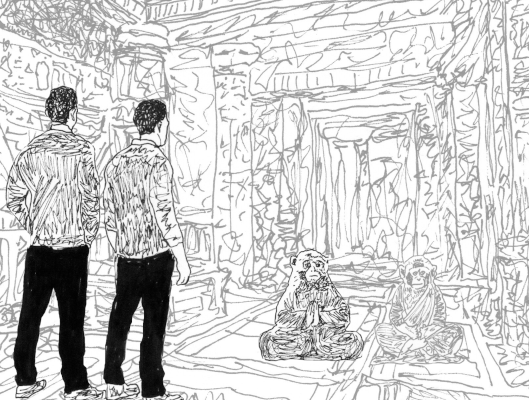 |
(Italiano) Prima di partire per l'Inghilterra, i due fanno visita alla loro scimmietta Aouda nel Parco Tubo. Heinz viene a conoscenza degli incredibili cambiamenti subiti dall'animale e, quando la vede, subisce completamente l'incantesimo di Aouda. |
(Deutsch) Vor ihrer Abfahrt nach England besuchen die beiden ihr Äffchen Aouda im Schlauchpark. Heinz erfährt von den erstaunlichen Veränderungen, die das Tier durchgemacht hat, und steht ganz in Aoudas Bann, als er sie dann zu Gesicht bekommt. Normal Version | ||
Tag 3 1 Heinz: Wo ist sie denn? |
Day 3 Heinz: Where is she? |
Jour 3 Heinz : Où est-elle donc ? |
Giorno 3 Heinz: Dov'è? |
Día 3 Heinz: ¿Dónde está? |
2 Helmut: Es scheint eine Phase zu sein. Ist ein ganz schöner Kontrast zu ihren Wutanfällen früher. Aber nun hat sie bekommen, was sie wollte, und ist ruhig geworden. |
Helmut: It seems to be a phase. It's quite a contrast to her fits of rage in the past. But now she's got what she wanted and has calmed down. |
Helmut : On dirait que c'est une phase. C'est un sacré contraste avec ses colères d'avant. Mais maintenant, elle a obtenu ce qu'elle voulait et s'est calmée. |
Helmut: Sembra essere una fase. È in netto contrasto con i suoi precedenti stranezze. Ma ora ha ottenuto ciò che voleva e si è calmata. |
Helmut: Parece ser una fase. Contrasta bastante con sus arrebatos de antes. Pero ahora ha conseguido lo que quería y se ha calmado. |
3 Heinz: Wo gehen wir eigentlich hin? |
Heinz: Where are we actually going? |
Heinz : Où allons-nous en fait ? |
Heinz: Dove stiamo andando in realtà? |
Heinz: ¿Adónde vamos realmente? |
4 Heinz: Hallo Giovanni! Tja, das Blatt hat sich gewendet. Apropos Toskana: Du weißt jetzt, was wir auf unserer magischen Reise im Inferno gesehen haben, oder? |
Heinz: Hello Giovanni! Well, the tables have turned. Speaking of Tuscany: you know now what we saw on our magical journey into the Inferno, right? |
Heinz : Salut Giovanni ! Eh bien, le vent a tourné. En parlant de la Toscane, tu sais maintenant ce que nous avons vu lors de notre voyage magique dans l'Inferno, non ? |
Heinz: Ciao Giovanni! Beh, le carte in tavola sono cambiate. A proposito di Toscana: ora sai cosa abbiamo visto nell'Inferno durante il nostro magico viaggio, vero? |
Heinz: ¡Hola Giovanni! Bueno, las tornas han cambiado. Hablando de la Toscana, ahora ya sabes lo que vimos en nuestro mágico viaje al Infierno, ¿verdad? |
5 Helmut: Es ist schwer vorstellbar, dass Menschen zu so etwas fähig sind. Und dann noch so ausdauernd. |
Helmut: It's hard to imagine that people are capable of such things. And then with such persistence. |
Helmut : Il est difficile d'imaginer que des gens sont capables de telles choses. Et puis avec une telle persévérance. |
Helmut: È difficile immaginare che le persone siano capaci di queste cose. E poi con una tale perseveranza. |
Helmut: Es difícil imaginar que la gente sea capaz de tales actos. Y además con tanta persistencia. |
6 Heinz: Wir werden sehen. Ah, das ist der Weg zur Angelhütte. Hat Aouda denn einen Schlüssel? |
Heinz: We'll see. Ah, that's the way to the fishing hut. Does Aouda have a key? |
Heinz : Nous verrons bien. Ah, c'est le chemin de la cabane de pêche. Est-ce que Aouda a une clé ? |
Heinz: Vedremo. Ah, questa è la strada per il capanno da pesca. Aouda ha una chiave? |
Heinz: Ya veremos. Ah, ése es el camino a la cabaña de pesca. ¿Tiene Aouda una llave? |
7 Heinz: Da geht jemand an die Tür. Bestimmt Aouda. Ist denn nicht abgeschlossen? |
Heinz: Someone's coming to the door. It's probably Aouda. Isn't it locked? |
Heinz : Quelqu'un s'approche de la porte. C'est sûrement Aouda. Elle n'est pas fermée à clé ? |
Heinz: Qualcuno si sta avvicinando alla porta. Probabilmente è Aouda. Non è chiusa a chiave? |
Heinz: Alguien viene a la puerta. Probablemente sea Aouda. ¿No está cerrada? |
8 Heinz: Wo ist sie, im Tempelraum? |
Heinz: Where is she, in the temple room? |
Heinz : Où est-elle, dans la salle du temple ? |
Heinz: Dov'è, nella stanza del tempio? |
Heinz: ¿Dónde está, en la sala del templo? |
9 Heinz: Hallo, meine Süße! Na, geht's dir gut? |
Heinz: Hello, my sweetie! Are you well? |
Heinz : Salut, ma belle ! Alors, tu vas bien ? |
Heinz: Ciao, tesoro mio! Stai bene? |
Heinz: ¡Hola, cariña! ¿Qué tal estás? |
(English) The Boys are already on their way to their client in Dartmoor and are taking the opportunity to test their new car. When a delay occurs shortly before the destination, Heinz is annoyed, but he should have learned by now that Helmut has his own special methods. |
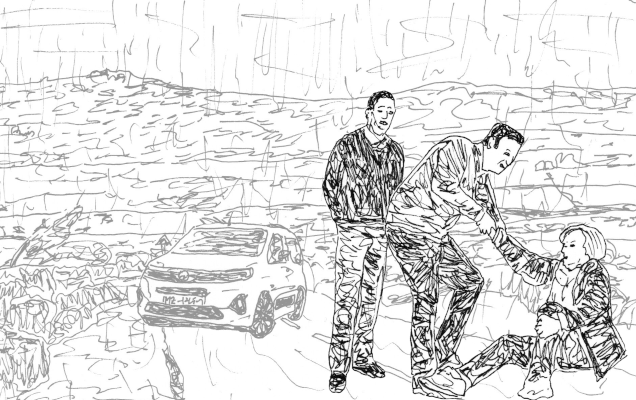 |
(Italiano) I Ragazzi sono già in viaggio verso il loro cliente a Dartmoor e colgono l'occasione per testare la loro nuova auto. Quando si verifica un ritardo poco prima di arrivare a destinazione, Heinz si infastidisce, ma ormai dovrebbe aver imparato che Helmut ha i suoi metodi speciali. |
(Deutsch) Schon sind die Jungs unterwegs zu ihrem Klienten im Dartmoor und testen bei dieser Gelegenheit ihr neues Auto. Als kurz vor dem Ziel eine Verzögerung eintritt, ärgert sich Heinz, dabei müsste er doch inzwischen gelernt haben, dass Helmut seine besonderen Methoden hat. Normal Version | ||
Tag 4 1 Heinz: Hm, also irgendwas stimmt hier nicht. |
Day 4 Heinz: Hm, something's wrong here. |
Jour 4 Heinz : Hm, alors quelque chose ne va pas ici. |
Giorno 4 Heinz: Hm, c'è qualcosa che non va qui. |
Día 4 Heinz: Hm, aquí hay algo que no va bien. |
2 Helmut: Ups. Ist gerade noch mal gutgegangen. Ich bin schon wieder in der richtigen Spur. |
Helmut: Oops. That was a close one. I'm back on the correct side again. |
Helmut : Oups ! Ça s'est arrangé de justesse. Me voilà de nouveau sur la bonne voie. |
Helmut: Ops! Ci è mancato poco. Sono tornato nella carreggiata giusta adesso. |
Helmut: Uy. Ha estado cerca. Vuelvo a estar en el buen carril. |
3 Heinz: Seltsam, dass wir so lange auf der rechten Spur gefahren sind, ohne dass uns jemand entgegengekommen ist. |
Heinz: Strange that we'd been driving in the right lane for so long without coming across anyone. |
Heinz : C'est étrange que nous ayons roulé si longtemps sur la voie de droite sans croiser personne. |
Heinz: È strano che abbiamo guidato sulla corsia di destra per così tanto tempo senza incontrare nessuno. |
Heinz: Es extraño que llevemos tanto tiempo circulando por el carril derecho sin cruzarnos con nadie. |
4 Helmut: Was? Oh, ich muss aus Versehen den Ton ausgestellt haben, als ich nach den Essig-Chips gegriffen hab. |
Helmut: What? Oh, I must have accidentally turned the sound off when I reached for the vinegar chips. |
Helmut : Quoi ? Oh, j'ai dû accidentellement couper le son quand j'ai attrapé les chips au vinaigre. |
Helmut: Cosa? Oh, devo aver spento per sbaglio l'audio quando ho preso le patatine all'aceto. |
Helmut: ¿Qué? Oh, debo de haber apagado el sonido sin querer cuando cogí las patatas fritas con vinagre. |
5 Heinz: (...) Es reicht langsam. Wir sind seit dem frühen Morgen unterwegs ... Da, auf dem Schild steht Princetown. Hier ist das berühmte Gefängnis. Dann haben wir es bald geschafft. |
Heinz: (...) That's quite enough. We've been on the road since the crack of dawn... There, the sign says Princetown. This is the famous prison. Then we'll soon be done. |
Heinz : (...) Ça commence à suffire. Nous sommes en route depuis le petit matin ... Là, sur le panneau, il est écrit Princetown. C'est ici que se trouve la fameuse prison. Alors nous y sommes bientôt. |
Heinz: (...) Basta così. Siamo in viaggio dalle prime luci dell'alba... Lì, il cartello dice Princetown. Questa è la famosa prigione. Allora ce la faremo presto. |
Heinz: (...) Ya basta. Llevamos viajando desde primera hora de la mañana... Allí, el cartel dice Princetown. Es la famosa prisión. Entonces pronto habremos llegado. |
6 Heinz: Da ist es: Grimpen. Also ich hätte schwören können, dass das ein fiktiver Ort ist. |
Heinz: There it is: Grimpen. I could have sworn that this was a fictional place. |
Heinz : Le voilà : Grimpen. J'aurais juré qu'il s'agissait d'un lieu fictif. |
Heinz: Eccolo: Grimpen. Avrei giurato che si trattasse di un luogo immaginario. |
Heinz: Ahí está: Grimpen. Hubiera jurado que era un lugar ficticio. |
7 Helmut: Ich seh so gut wie gar nichts. Der Regen, der Scheibenwischer, und jetzt kommt auch noch Nebel auf. |
Helmut: I can't see a thing. The rain, the windshield wipers, and now there's fog too. |
Helmut : Je ne vois presque rien. La pluie, les essuie-glaces, et maintenant il y a aussi du brouillard. |
Helmut: Non vedo nulla. La pioggia, i tergicristalli e ora c'è anche la nebbia. |
Helmut: Apenas veo nada. La lluvia, los limpiaparabrisas, y ahora también hay niebla. |
8 Heinz: (...) Wo ist denn der Universalübersetzer? Ah hier. Sitzen Sie bequem? |
Heinz: (...) Where is the universal translator? Ah, here it is. Are you sitting comfortably? |
Heinz : (...) Où est donc le traducteur universel ? Ah ici. Êtes-vous bien assise ? |
Heinz: (...) Dov'è il traduttore universale? Ah, eccolo qui. È seduta comodamente? |
Heinz: (...) ¿Dónde está el traductor universal? Ah, aquí. ¿Está sentada cómodamente? |
9 Heinz: Es ist kaum zu glauben, was sie da erzählt. |
Heinz: It's hard to believe what she's saying. |
Heinz : C'est difficile de croire ce qu'elle raconte. |
Heinz: È difficile credere a quello che dice. |
Heinz: Es difícil creer lo que dice. |
(English) Baskerville Hall is a little different from what the Boys had imagined, mainly because of some other guests who also have rooms in the house. Dressed in authentic Holmes and Watson outfits, they join the ten people who have gathered at the large table in the knights' hall. |
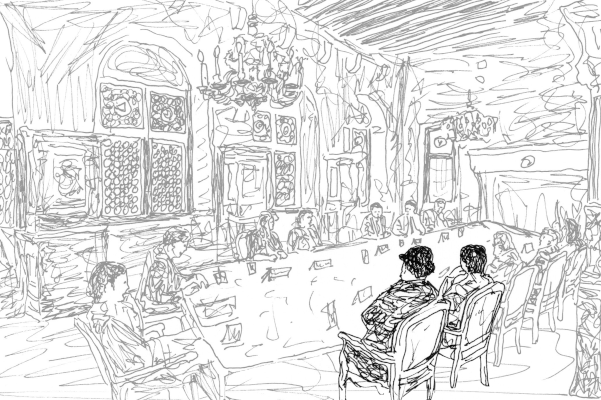 |
(Italiano) Baskerville Hall è un po' diversa da come i Ragazzi l'avevano immaginata, soprattutto a causa di alcuni altri ospiti che hanno stanze nella casa. Vestiti con gli autentici abiti di Holmes e Watson, si uniscono alle dieci persone che si sono riunite al grande tavolo della sala dei cavalieri. |
(Deutsch) Baskerville Hall ist ein wenig anders, als die Jungs es sich vorgestellt hätten, was hauptsächlich an einigen weiteren Gästen liegt, die ebenfalls Zimmer im Haus haben. Im authentischen Holmes- und Watson-Outfit gesellen sie sich zu den zehn Personen, die sich im Rittersaal am großen Tisch versammelt haben. Normal Version | ||
Tag 4 1 Heinz: Ich werde NICHT diesen Hut aufsetzen! |
Day 4 Heinz: I'm NOT going to wear that hat! |
Jour 4 Heinz : Je ne vais PAS mettre ce chapeau ! |
Giorno 4 Heinz: Non mi metto questo cappello! |
Día 4 Heinz: ¡Yo NO me voy a poner ese sombrero! |
2 Heinz: Ich glaub, du hast jetzt lange genug in den Spiegel gekuckt. Was sind das eigentlich für Taschen? Standen die da schon die ganze Zeit? |
Heinz: I think you've looked in the mirror long enough now. And what are these bags here? Have they been there the whole time? |
Heinz : Je pense que tu t'es regardé dans le miroir assez longtemps maintenant. Et que sont ces sacs ici ? Ils étaient là depuis le début ? |
Heinz: Credo che tu ti sia guardato allo specchio abbastanza a lungo. E cosa sono queste borse qui? Sono state lì già prima? |
Heinz: Creo que ya te has mirado bastante en el espejo. ¿Y qué son estas bolsas de aquí? ¿Han estado ahí todo el tiempo? |
3 Helmut: Was ist denn in deiner Wundertüte, Watson? |
Helmut: What's in your surprise bag, Watson? |
Helmut : Qu'y a-t-il dans ton sac à merveilles, Watson ? |
Helmut: Cosa c'è nella tua borsa delle meraviglie, Watson? |
Helmut: ¿Qué hay en tu bolsa de las maravillas, Watson? |
4 Heinz: Geh du vor! „Holmes”. |
Heinz: You go ahead! "Holmes." |
Heinz : Passe devant ! « Holmes ». |
Heinz: Vai avanti tu! "Holmes." |
Heinz: ¡Adelante! "Holmes." |
5 Heinz: Kurze Frage mal: Die zweitausend Pfund Vorschuss hat Sir Robert doch überwiesen, oder? |
Heinz: Quick question: Sir Robert did transfer the two thousand pounds advance, right? |
Heinz : Petite question : Sir Robert a bien transféré l'avance de deux mille livres, n'est-ce pas ? |
Heinz: Domanda veloce: Sir Robert ha trasferito l'anticipo di duemila sterline, giusto? |
Heinz: Una pregunta rápida: Sir Robert transfirió el anticipo de dos mil libras, ¿verdad? |
6 Helmut: Aber Miss Marple hat das Mörderhuhn selbst gesehen! |
Helmut: But Miss Marple saw the homicidal chicken herself! |
Helmut : Mais Miss Marple a vu la poule meurtrière elle-même ! |
Helmut: Ma Miss Marple ha visto di persona il pollo assassino! |
Helmut: ¡Pero si Miss Marple vio en persona a la gallina asesina! |
7 Heinz: Ja, ich hatte das bereits beim ersten Mal verstanden. Oh, hier ist ein Namensschild vor mir. Seeley Booth. Wer ist Seeley Booth? |
Heinz: Yes, I already understood that the first time. Oh, there's a name tag in front of me. Seeley Booth. Who is Seeley Booth? |
Heinz : Oui, je l'avais déjà compris la première fois. Oh, il y a un écriteau devant moi. Seeley Booth. Qui est Seeley Booth ? |
Heinz: Sì, l'avevo già capito la prima volta. Oh, c'è una targhetta con il nome davanti a me. Seeley Booth. Chi è Seeley Booth? |
Heinz: Sí, ya lo entendí la primera vez. Oh, hay una placa con mi nombre delante de mí. Seeley Booth. ¿Quién es Seeley Booth? |
8 Helmut: Kuck mal auf die anderen Schilder! |
Helmut: Look at the other name tags! |
Helmut : Regarde les autres écriteaux ! |
Helmut: Guarda le altre targhette! |
Helmut: ¡Mira los otros carteles con nombres! |
9 Helmut: Der da mit dem gezwirbelten Schnurrbart und der pompösen Kleidung ist dann wohl Hercule Poirot. Da ist Herablassung in seinem Blick. |
Helmut: The one with the twirled moustache and the pompous clothes must be Hercule Poirot. There's condescension in his gaze. |
Helmut : Alors, celui qui a la moustache tortillée et les vêtements pompeux doit être Hercule Poirot. Il y a de la condescendance dans son regard. |
Helmut: Quello con i baffi arricciati e i vestiti pomposi è probabilmente Hercule Poirot. C'è condiscendenza nel suo sguardo. |
Helmut: El del bigote retorcido y la ropa pomposa probablemente sea Hercules Poirot. Hay condescendencia en su mirada. |
(English) Calmness is one of the most prominent characteristics of Sherlock Holmes and Helmut proves in this episode how close he is to the original. Heinz, alias Watson, on the other hand, does not seem to have gotten used to his role yet. |
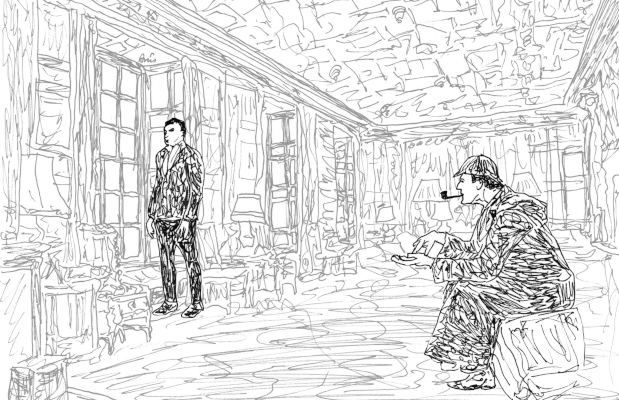 |
(Italiano) La calma è una delle caratteristiche principali di Sherlock Holmes e Helmut dimostra in questo episodio quanto sia vicino all'originale. Heinz, alias Watson, invece, non sembra essersi ancora abituato al suo ruolo. |
(Deutsch) Gelassenheit ist eine der hervorstechenden Eigenschaften von Sherlock Holmes und Helmut beweist in dieser Folge, wie nah er an das Original heranreicht. Heinz alias Watson hingegen scheint sich noch nicht an seine Rolle gewöhnt zu haben. Normal Version | ||
Tag 4 1 Helmut: Ein delikates Nachtessen auf dem Zimmer und jetzt ein gemütliches Pfeifchen. Was kann man sich Schöneres wünschen? |
Day 4 Helmut: A delicious dinner in the room and now a cozy pipe. What could be better? |
Jour 4 Helmut : Un dîner délicat dans la chambre et maintenant une petite pipe bien agréable. Que peut-on souhaiter de mieux ? |
Giorno 4 Helmut: Una deliziosa cena in camera e ora una piccola pipa accogliente. Cosa si può desiderare di più? |
Día 4 Helmut: Una deliciosa cena en la habitación y ahora una acogedora pipa. ¿Qué más se puede pedir? |
2 Helmut: Also, ich muss schon sagen ... ja ... süffig. |
Helmut: Well, I must say... yes... quaffable. |
Helmut : Eh bien, je dois dire... oui... gouleyant. |
Helmut: Beh, devo dire... sì... abboccato. |
Helmut: Bueno, tengo que decir que... sí... sabroso. |
3 Heinz: Und jetzt sollen wir in unseren Kostümen so lange durchs Moor latschen, bis wir dieses Geflügel zur Strecke gebracht haben? Ich stell mir das gerade bildlich vor. |
Heinz: And now we're supposed to traipse through the moor in our costumes until we've hunted down this poultry? I can just picture it. |
Heinz : Et maintenant, nous sommes censés nous promener en costume dans les marais jusqu'à ce que nous ayons traqué cette volaille ? Je l'imagine très bien. |
Heinz: E ora dovremmo andare in giro per le paludi in costume finché non avremo dato la caccia a questo pollame? Me lo sto immaginando. |
Heinz: ¿Y ahora se supone que debemos vagar disfrazados por los pantanos hasta que hayamos cazado a esta ave de corral? Me lo estoy imaginando. |
4 Helmut: (Ach so, Sie sprechen Deutsch?) |
Helmut: (Oh, you speak German?) |
Helmut : (Oh, vous parlez allemand ?) |
Helmut: (Oh, parla tedesco?) |
Helmut: (Ah, ¿habla alemán?) |
5 Helmut: Jetzt sieh das doch nicht so eng! Wir inspirieren uns gegenseitig. Sie fragt, ob wir so wie sie einen Flachmann in unserem Geschenkbeutel haben. |
Helmut: Don't be so literal! We inspire each other. She is asking if we have a flask in our gift bag like she does. |
Helmut : Ne sois pas si littéral. Nous nous inspirons mutuellement. Elle nous demande si nous avons une flasque dans notre sac cadeau, comme elle. |
Helmut: Non essere così letterale! Ci ispiriamo a vicenda. Ci chiede se abbiamo una fiaschetta nella nostra borsa regalo, come lei. |
Helmut: ¡No seas tan literal! Nos inspiramos mutuamente. Nos pregunta si tenemos una petaca en la bolsa de regalos, como hace ella. |
6 Heinz: Und was soll ich mir vorstellen? Wir wurden unterbrochen. |
Heinz: And what am I supposed to imagine? We were interrupted. |
Heinz : Et qu'est-ce que je devrais imaginer ? Nous avons été interrompus. |
Heinz: E cosa dovrei immaginare? Siamo stati interrotti. |
Heinz: ¿Y qué se supone que me imagino? Nos han interrumpido. |
7 Heinz: Sir Robert denkt, dass sich jemand einen makabren Spaß mit ihm erlaubt. |
Heinz: Sir Robert thinks that someone is playing a macabre joke on him. |
Heinz : Sir Robert pense que quelqu'un lui fait une blague macabre. |
Heinz: Sir Robert pensa che qualcuno gli stia facendo un macabro scherzo. |
Heinz: Sir Robert cree que alguien le está gastando una broma macabra. |
8 Helmut: Wir werden uns mit all dem befassen, nachdem ich meinen Schönheitsschlaf gemacht habe. Der Tag war lang und ... |
Helmut: We'll deal with all that after I've had my beauty sleep. It's been a long day and... |
Helmut : Nous nous occuperons de tout cela quand j'aurai eu mon sommeil réparateur. La journée a été longue et... |
Helmut: Ci occuperemo di tutto questo dopo che avrò fatto il mio sonno di bellezza. È stata una lunga giornata e... |
Helmut: Ya nos ocuparemos de todo eso cuando haya tenido mi sueño reparador. Ha sido un día muy largo y... |
9 Heinz: Mann, das ist wie in der Sherlock-Holmes-Geschichte! |
Heinz: Man, this is just like in the Sherlock Holmes story! |
Heinz : Mais c'est comme dans l'histoire de Sherlock Holmes ! |
Heinz: Ma è proprio come la storia di Sherlock Holmes! |
Heinz: ¡Tío, esto es como en la historia de Sherlock Holmes! |
10 Helmut: Ich hoffe nicht, dass du zu dieser nächtlichen Stunde noch auf Wanderschaft gehen willst. |
Helmut: I hope you don't want to go wandering around at this time of night. |
Helmut : J'espère que tu ne veux pas partir en randonnée à cette heure de la nuit. |
Helmut: Spero che tu non voglia fare un'escursione a quest'ora della notte. |
Helmut: Espero que no quieras ir de excursión a estas horas de la noche. |
(English) The hunt begins. The group of master detectives pours out into the moor to get a picture of the surroundings and to look for clues. Holmes is the first to find something, something very old. Then he finds something newer. A good omen, Heinz thinks. |
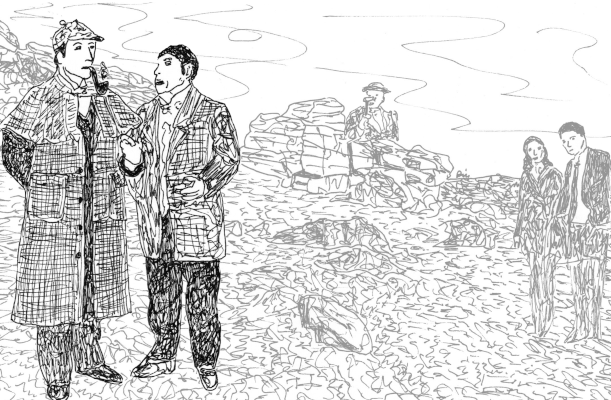 |
(Italiano) Inizia la caccia. Il gruppo di maestri investigatori si riversa nella palude per farsi un'idea dei dintorni e per cercare indizi. Holmes è il primo a trovare qualcosa, qualcosa di molto antico. Poi trova qualcosa di più recente. Un buon auspicio, pensa Heinz. |
(Deutsch) Die Jagd beginnt. Die Gruppe der Meisterdetektive strömt aus ins Moor, um sich ein Bild von der Umgebung zu machen und um Spuren zu suchen. Holmes ist der erste, der etwas findet, etwas sehr Altes. Dann findet er etwas Neueres. Ein gutes Omen, findet Heinz. Normal Version | ||
Tag 5 1 Heinz: Kannst du jetzt mal das Handy weglegen bitte! Du fällst noch in ein Loch. Was machst du da überhaupt? |
Day 5 Heinz: Can you put the phone away now, please! You'll end up falling into a hole. What are you doing anyway? |
Jour 5 Heinz : Tu peux ranger le téléphone maintenant, s'il te plaît ! Tu vas finir par tomber dans un trou. Qu'est-ce que tu fais de toute façon ? |
Giorno 5 Heinz: Puoi mettere via il telefono adesso, per favore? Finirai per cadere in un buco. Cosa stai facendo? |
Día 5 Heinz: ¿Puedes soltar ya el móvil, por favor? Acabarás cayendo en un agujero. ¿Qué estás haciendo? |
2 Helmut: Die Mütze ist doch recht warm für die Jahreszeit. |
Helmut: That hat's pretty warm for this time of year, I must say. |
Helmut : Ce chapeau est plutôt chaud pour cette période de l'année, je dois dire. |
Helmut: Devo dire che quel cappello è piuttosto caldo per questo periodo dell'anno. |
Helmut: Debo decir que ese gorro es bastante abrigado para esta época del año. |
3 Heinz: Sieht aus wie ein keltisches Vogelmotiv. |
Heinz: Looks like a Celtic bird motif. |
Heinz : On dirait un motif d'oiseau celtique. |
Heinz: Sembra un motivo celtico di uccelli. |
Heinz: Parece un motivo céltico de pájaros. |
4 Heinz: Wenn das wirklich keltisch ist, dann ist es richtig alt. Diese filigranen Muster. Bemerkenswert! |
Heinz: If this is indeed Celtic, then it's really old. These filigree patterns. Remarkable! |
Heinz : Si c'est vraiment celtique, alors c'est vraiment très ancien. Ces motifs en filigrane. Remarquable ! |
Heinz: Se questo è davvero celtico, allora è molto antico. Questi motivi in filigrana. Notevole! |
Heinz: Si esto es realmente celta, entonces es muy antiguo. Estos motivos de filigrana. ¡Notable! |
5 Heinz: Was für ein Gefühl? Gibt es Fußspuren? |
Heinz: What kind of feeling? Are there any footprints? |
Heinz : Quel genre de pressentiment ? Il y a des traces de pas ? |
Heinz: Che tipo di sensazione? Ci sono impronte? |
Heinz: ¿Qué tipo de presentimiento? ¿Hay vestigios? |
6 Heinz: Warte mal, das ist doch kein Hühnerkot! |
Heinz: Wait a minute, that's not chicken poop! |
Heinz : Attends, ce n'est pas du caca de poule ! |
Heinz: Aspetta un attimo, quella non è cacca di pollo! |
Heinz: Un momento, ¡eso no es caca de gallina! |
7 Helmut: Ich hab ein sehr gutes Gefühl. Da ist etwas hinter den Steinen, glaub mir! |
Helmut: I have a very good feeling. There's something behind those stones, believe me! |
Helmut : J'ai un très bon pressentiment. Il y a quelque chose derrière ces pierres, crois-moi ! |
Helmut: Ho un ottimo presentimento. C'è qualcosa dietro quelle pietre, credimi! |
Helmut: Tengo un muy buen presentimiento. Hay algo detrás de esas piedras, ¡créeme! |
8 Helmut: Du kannst schon mal deinen Revolver entsichern. |
Helmut: You can already cock your revolver. |
Helmut : Tu peux déjà armer ton revolver. |
Helmut: Puoi già armare il tuo revolver. |
Helmut: Ya puedes amartillar tu revólver. |
9 Helmut: Mit dieser Einstellung gewinnst du keinen Blumenkohl, das lass dir sagen, werter Watson! Ah, da sind wir. Jetzt wird es spannend. Taschenlampe! |
Helmut: You won't make a dentist with that attitude, let me tell you that, dear Watson! Ah, here we are. Now it's getting exciting. Flashlight! |
Helmut : Avec cette attitude, tu ne peux pas faire des papillotes, laisse-moi te dire, cher Watson ! Ah, nous y voilà. Maintenant, ça devient passionnant. Lampe de poche ! |
Helmut: Con questo atteggiamento non si ottiene nulla, lascia che te lo dica, caro Watson! Ah, eccoci qui. Ora sì che la situazione si fa eccitante. Torcia! |
Helmut: Con esa actitud no echarte nada en el ovillo, ¡te lo aseguro, querido Watson! Ah, ya hemos llegado. Ahora se pone emocionante. ¡Linterna! |
10 Helmut: Es riecht ein bisschen streng hier. Das könnte ein gutes Zeichen sein. Hühner ... |
Helmut: It smells a bit strong here. That could be a good sign. Chickens... |
Helmut : Ça sent un peu fort ici. C'est peut-être un bon signe. Des poules... |
Helmut: C'è un odore un po' forte qui. Potrebbe essere un buon segno. Polli... |
Helmut: Aquí huele un poco fuerte. Podría ser una buena señal. Gallinas... |
11 Helmut: Igitt! Nichts wie weg hier! Und woher weißt du, dass das menschlich und von gestern ist? |
Helmut: Yuck! Let's get out of here! And how do you know that it's human and from yesterday? |
Helmut : Beurk ! Sortons d'ici ! Et comment sais-tu qu'il est humain et qu'il date d'hier ? |
Helmut: Che schifo! Andiamocene da qui! E come fai a sapere che è umano e di ieri? |
Helmut: ¡Qué asco! ¡Vámonos de aquí! ¿Y cómo sabes que es humano y de ayer? |
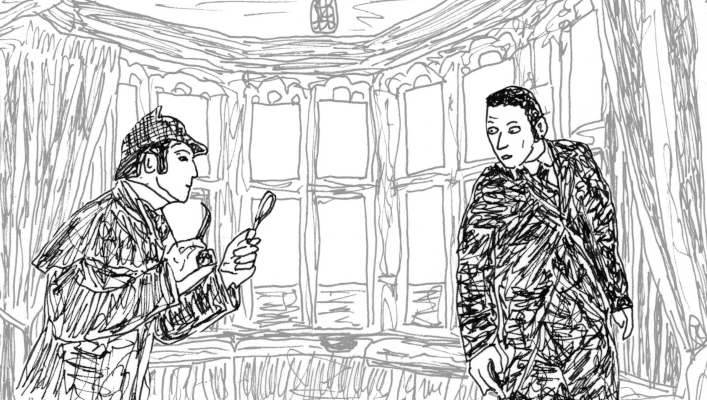
(English) Some remarkable parallels to the Holmes story of 1902 make Heinz suspicious. He and Helmut follow the trail that he found the night before. Will the two of them get any closer to the chicken of the Baskervilles in this episode? |
 |
(Italiano) Alcuni notevoli parallelismi con la storia di Holmes del 1902 insospettiscono Heinz. Lui e Helmut seguono le tracce trovate la sera prima. Riusciranno i due ad avvicinarsi al pollo dei Baskerville in questo episodio? |
(Deutsch) Einige bemerkenswerte Parallelen zur Holmes-Geschichte von 1902 machen Heinz misstrauisch. Er geht mit Helmut der Spur nach, die er am Vorabend gefunden hatte. Werden die beiden dem Huhn von Baskerville in dieser Folge einen Schritt näherkommen? Normal Version | ||
Tag 5 1 Heinz: Wenn du mehr am Rand gehst, knarren die Dielen nicht so. |
Day 5 Heinz: If you walk more on the edge, the floorboards won't creak so much. |
Jour 5 Heinz : Si tu marches plus sur le bord, les lattes du plancher grinceront moins. |
Giorno 5 Heinz: Se cammini più sul bordo, le assi del pavimento non scricchioleranno così tanto. |
Día 5 Heinz: Si caminas más por el borde, las tablas del suelo no crujirán tanto. |
2 Heinz: Du hast ... Idiot, wie konnte der Schlüssel aus der Tür fallen?! |
Heinz: You've... Idiot, how could the key fall out of the door?! |
Heinz : Tu as... Idiot, comment la clé a-t-elle pu tomber de la porte ?! |
Heinz: Hai... Idiota, come ha fatto la chiave a cadere dalla porta?! |
Heinz: Has... Idiota, ¿cómo ha podido caerse la llave de la puerta? |
3 Heinz: Lass uns das Licht einschalten und uns umsehen! |
Heinz: Let's turn on the light and have a look around! |
Heinz : Allumons la lumière et regardons autour de nous ! |
Heinz: Accendiamo la luce e diamo un'occhiata in giro! |
Heinz: ¡Encendamos la luz y echemos un vistazo! |
4 Heinz: Mann, da war ein Sträfling ausgebrochen und jemand hat ihm vom Westflügel aus Lichtzeichen gegeben, so wie gestern Nacht. |
Heinz: Well, there was a convict who escaped and someone was signaling to him from the west wing, just like last night. |
Heinz : Mec, il y avait un détenu qui s'était évadé et quelqu'un lui avait fait des signaux lumineux depuis l'aile ouest, comme la nuit dernière. |
Heinz: Beh, c'era un detenuto che è evaso e qualcuno gli stava facendo dei segnali dall'ala ovest, proprio come ieri sera. |
Heinz: Amigo, había un preso que se había escapado y alguien le estaba haciendo señales desde el ala oeste, igual que anoche. |
5 Heinz: Aber das ergibt überhaupt keinen Sinn! Warum hat die Person gestern Lichtsignale gegeben, wenn es für einen Sträfling war, der heute erst ausgebrochen ist? |
Heinz: But that doesn't make any sense! Why did the person give light signals yesterday if it was for a prisoner who only escaped today. |
Heinz : Mais ça n'a aucun sens ! Pourquoi la personne a-t-elle fait des signaux lumineux hier si c'était pour un prisonnier qui ne s'est évadé qu'aujourd'hui. |
Heinz: Ma non ha alcun senso! Perché quella persona ha fatto dei segnali luminosi ieri se era per un prigioniero che è scappato solo oggi? |
Heinz: ¡Pero eso no tiene ningún sentido! ¿Por qué hizo señales luminosas ayer si era para un preso que se ha escapado hoy? |
6 Helmut: (...) Komm, wir setzen uns an die Wand, ich kann nicht mehr stehen. |
Helmut: (...) Come on, let's sit down against the wall, I can't stand any more. |
Helmut : (...) Viens, on va s'asseoir contre le mur, je ne peux plus tenir debout. |
Helmut: (...) Dai, sediamoci contro il muro, non riesco più a stare in piedi. |
Helmut: (...) Vamos, sentémonos contra la pared, no puedo estar más de pie. |
7 Helmut: Nee, das ... Aaah! Eine La-la ... eine La ...! |
Helmut: No, that's... Aaah! A co-co... a co...! |
Helmut : Non, c'est... Aaah ! Un ca-ca... un ca... ! |
Helmut: No, quello è... Aaah! Un ca-ca... un ca...! |
Helmut: No, es... ¡Aaah! ¡Un ca-ca... un ca...! |
8 Heinz: Sonst noch jemand da? Nicht? Ah, Mister Bond, kommen Sie, gesellen Sie sich zu uns! Äh, die Waffe können Sie wegstecken. Ja, danke, das ist besser. |
Heinz: Anyone else here? Not? Ah, Mr. Bond, come and join us! Uh, you can put the gun away. Yes, thank you, that's better. |
Heinz : Il y a quelqu'un d'autre ici ? Non ? Ah, mister Bond, venez vous joindre à nous ! Euh, vous pouvez ranger votre arme. Oui, merci, c'est mieux. |
Heinz: C'è qualcun altro qui? No? Ah, mister Bond, si unisca a noi! Può mettere via la pistola. Sì, grazie, così va meglio. |
Heinz: ¿Hay alguien más? ¿No? ¡Ah, Mister Bond, venga y únase a nosotros! Er, puede guardar el arma. Sí, gracias, así está mejor. |
9 Helmut: Auf der Fensterbank. Die Lupe verrät mir, dass es sich um Spuren von Sirup handelt. |
Helmut: On the windowsill. The magnifying glass reveals that it is a trace of syrup. |
Helmut : Sur le rebord de la fenêtre. La loupe me révèle qu'il s'agit de traces de sirop. |
Helmut: Sul davanzale della finestra. La lente d'ingrandimento rivela tracce di sciroppo. |
Helmut: En el alféizar de la ventana. La lupa me dice que son restos de sirope. |
10 Heinz: Übrigens, was mich die ganze Zeit schon beschäftigt: Warum steckt der Schlüssel außen an der Zimmertür? |
Heinz: By the way, something that's been bothering me all this time: why is the key on the outside of the room door? |
Heinz : Au fait, il y a quelque chose qui me tracasse depuis tout ce temps : pourquoi la clé se trouve-t-elle à l'extérieur de la porte de la chambre ? |
Heinz: A proposito, mi sono chiesto tutto il tempo: Perché la chiave è all'esterno della porta della stanza? |
Heinz: Por cierto, me lo he estado preguntando todo el rato: ¿Por qué está la llave en el exterior de la puerta de la habitación? |
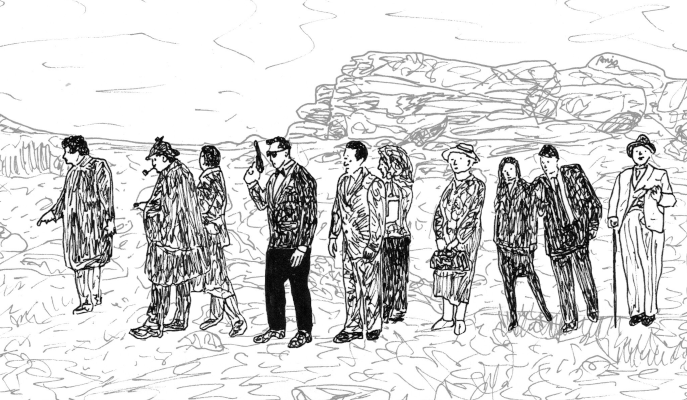
(English) The next day, our detectives resume their case. All ten of them. With such a large number of people involved, it's no wonder that one person steps on another's toes, even literally. Accidents happen, as the group has to learn the hard way. |
 |
(Italiano) Il giorno dopo, i nostri detective riprendono il loro caso. Tutti e dieci. Con così tante persone coinvolte, non c'è da stupirsi che una persona pesti i piedi a un'altra, anche letteralmente. Gli incidenti capitano, come il gruppo impara in maniera molto dura. |
(Deutsch) Am nächsten Tag nehmen unsere Detektive ihren Fall wieder auf. Alle zehn. Bei einer solchen Anzahl von Mitwirkenden ist es kein Wunder, wenn einer dem anderen auf die Füße tritt, auch buchstäblich. Unfälle geschehen, wie die Gruppe leidvoll erfahren muss. Normal Version | ||
Tag 6 1 Heinz: Was für eine Farce! Bss |
Day 6 Heinz: What a farce! Bzz |
Jour 6 Heinz : Quelle farce ! Bzz |
Giorno 6 Heinz: Che farsa! Bzz |
Día 6 Heinz: ¡Qué farsa! Bzz |
2 Heinz: Das war also eines der Nachbarhäuser von Baskerville Hall. Zwei Kilometer entfernt und völlig belanglos. |
Heinz: So this was one of the neighboring houses of Baskerville Hall. Two kilometers away and completely irrelevant. |
Heinz : C'était donc l'une des maisons voisines de Baskerville Hall. À deux kilomètres de là et sans aucun rapport avec le sujet. |
Heinz: Quindi questa era una delle case accanto a Baskerville Hall. A due chilometri di distanza e completamente irrilevante. |
Heinz: Así que ésta era una de las casas vecinas de Baskerville Hall. A dos kilómetros de distancia y completamente irrelevante. |
3 Helmut: Du hast recht, wir sollten eine Art Stundenplan machen, damit wir nicht überall im Rudel auftreten. |
Helmut: You're right, we should make some kind of schedule so that we don't appear everywhere in a pack. |
Helmut : Tu as raison, nous devrions établir une sorte d'horaire pour ne pas nous présenter partout en meute. |
Helmut: Hai ragione, dovremmo stabilire una specie di programma in modo da non apparire ovunque in branco. |
Helmut: Tienes razón, deberíamos elaborar algún tipo de horario para no aparecer en manadas por todas partes. |
4 Heinz: Da, hörst du das? Hundegebell. |
Heinz: There, do you hear that? Dog barking. |
Heinz : Là, tu entends ça ? Aboiements de chiens. |
Heinz: Ecco, hai sentito? Un cane che abbaia. |
Heinz: Ahí, ¿oyes eso? Ladridos de perro. |
5 Helmut: Ach so. Der Butler lebt übrigens auch erst seit zwei Jahren hier. Interessantes Detail, oder? |
Helmut: I see. By the way, the butler also only moved here two years ago. Interesting detail, isn't it? |
Helmut : Je vois. Au fait, le majordome aussi n'a emménagé ici qu'il y a deux ans. Détail intéressant, n'est-ce pas ? |
Helmut: Capisco. A proposito, anche il maggiordomo si è trasferito qui solo due anni fa. Un dettaglio interessante, vero? |
Helmut: Ya veo. Por cierto, el mayordomo también se mudó aquí hace solo dos años. Un detalle interesante, ¿no? |
6 Helmut: Kuck mal unauffällig auf die Felsformation da vorne rechts. |
Helmut: Take a discreet look at the rock formation over there on the right. |
Helmut : Jette un coup d'œil discret à la formation rocheuse là-bas à droite. |
Helmut: Guarda con discrezione la formazione rocciosa laggiù a destra. |
Helmut: Echa un discreto vistazo a la formación rocosa de allí a la derecha. |
7 Heinz: Es gibt trotzdem keinen Sträfling hier. |
Heinz: There's still no convict around here. |
Heinz : Il n'y a quand même pas de détenu dans le coin. |
Heinz: Non c'è ancora nessun evaso qui intorno. |
Heinz: Todavía no hay ningún convicto por aquí. |
8 Helmut: Ich seh schon, du hast eine verfestigte Meinung. |
Helmut: I can see that you have a fixed opinion. |
Helmut : Je vois que tu as une opinion bien arrêtée. |
Helmut: Vedo che hai un'opinione fissa. |
Helmut: Veo que tienes una opinión muy formada. |
9 Heinz: Sicher. Oh mein Gott, Bond! |
Heinz: Sure. Oh my God, Bond! |
Heinz : Bien sûr. Oh mon Dieu, Bond ! |
Heinz: Certo. Oh mio Dio, Bond! |
Heinz: Claro. ¡Dios mío, Bond! |
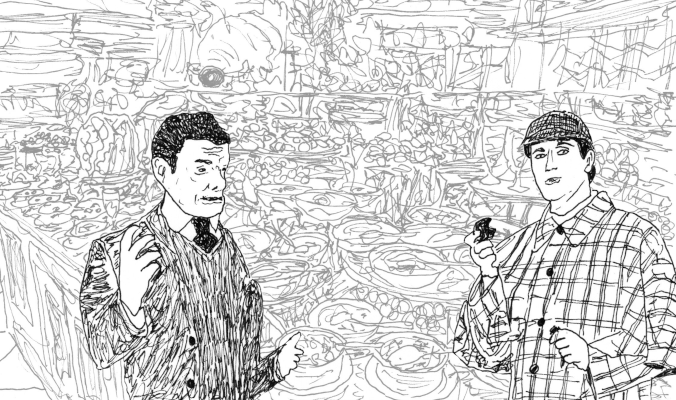
(English) Restless work makes people hungry, which is why the host has provided a sumptuous buffet. Heinz is the only one who passes up the delicacies. Helmut is amazed not only by this, but also by the fact that his companion makes an accurate prediction. |
 |
(Italiano) Il lavoro senza sosta fa venire fame, ed è per questo che il padrone di casa ha avuto l'accortezza di offrire un sontuoso buffet. Heinz è l'unico che si lascia sfuggire le prelibatezze. Helmut non è solo stupito da questo, ma anche dal fatto che il suo compagno faccia una previsione accurata. |
(Deutsch) Die rastlose Arbeit macht hungrig, weshalb der Gastgeber vorausschauend für ein reiches Büffet gesorgt hat. Heinz ist der Einzige, der sich die Delikatessen entgehen lässt. Nicht nur das verblüfft Helmut, sondern auch die Tatsache, dass sein Gefährte eine treffende Voraussage macht. Normal Version | ||
Tag 9 1 Helmut: Diese Entenbrust auf Cassissauce ist traumhaft. |
Day 9 Helmut: This duck breast on a cassis sauce is fantastic. |
Gremlin Jour 9 Helmut : Ce magret de canard sur sauce cassis est un rêve. |
Giorno 9 Helmut: Questo petto d'anatra con salsa al cassis è un sogno. |
Día 9 Helmut: Esta pechuga de pato con salsa de cassis es un sueño. |
2 Helmut: Bones und ihr Kollege sind vor einer Stunde abgereist. Sie haben kalte Füße bekommen. |
Helmut: Bones and her colleague left an hour ago. They got cold feet. |
Helmut : Bones et son collègue sont partis il y a une heure. Ils ont eu la frousse. |
Helmut: Bones e il suo collega sono partiti un'ora fa. Hanno avuto paura. |
Helmut: Bones y su colega se fueron hace una hora. Se acobardaron. |
3 Heinz: Wo ist eigentlich Poirot? |
Heinz: Where is Poirot, by the way? |
Heinz : Au fait, où est Poirot ? |
Heinz: A proposito, dov'è Poirot? |
Heinz: Por cierto, ¿dónde está Poirot? |
4 Helmut: Für Monk hat Sir Robert einen japanischen Koch eingestellt, der millimetergenau schneiden kann. Eigentlich ist der gar kein Koch, sondern Chirurg, und sein Essen ist grauenhaft, aber Monk liebt es. |
Helmut: Sir Robert has hired a Japanese chef for Monk who can cut with millimeter precision. Actually, he's not a chef after all, but a surgeon, and his food is terrible, but Monk loves it. |
Helmut : Pour Monk, Sir Robert a engagé un cuisinier japonais qui peut couper au millimètre près. En fait, ce n'est pas un cuisinier, mais un chirurgien, et sa nourriture est épouvantable, mais Monk l'adore. |
Helmut: Sir Robert ha assunto per Monk uno chef giapponese che sa tagliare con precisione millimetrica. In realtà non è uno chef, ma un chirurgo, e il suo cibo è terribile, ma Monk lo adora. |
Helmut: Sir Robert ha contratado para Monk a un chef japonés que sabe cortar con precisión milimétrica. En realidad, no es cocinero, sino cirujano, y su comida es horrible, pero a Monk le encanta. |
5 Heinz: Dass vor drei Tagen einer von uns im Moor abgesoffen ist, scheint demnach Schnee von gestern zu sein. |
Heinz: Apparently, the fact that one of us ran aground in the moor three days ago is water under the bridge. |
Heinz : Le fait que l'un de nous se soit échoué dans le marais il y a trois jours semble donc être de l'histoire ancienne. |
Heinz: A quanto pare, il fatto che uno di noi si sia arenato nella palude tre giorni fa è acqua passata. |
Heinz: Así que el hecho de que uno de nosotros haberse hundido en la ciénaga hace tres días parece ser historia antigua. |
6 Helmut: Außerdem haben wir die anderen Nachbarn befragt, von denen einige mit uns gesprochen haben. Mister Chuckle zum Beispiel. |
Helmut: Besides, we interrogated the other neighbors, some of whom spoke to us. Mr. Chuckle, for example. |
Helmut : En plus, nous avons interrogé les autres voisins, dont certains nous ont parlé. Mister Chuckle, par exemple. |
Helmut: Inoltre, abbiamo chiesto agli altri vicini, alcuni dei quali ci hanno parlato. Mister Chuckle, per esempio. |
Helmut: Además, preguntamos a los demás vecinos, algunos de los cuales hablaron con nosotros. Mr. Chuckle, por ejemplo. |
7 Heinz: Ja, und dann hat er Tränen gelacht und konnte sich nicht mehr beruhigen. Er hat mit dem Finger auf uns gezeigt und sich an die Stirn geschlagen. |
Heinz: Yes, and then he burst out laughing and couldn't stop. He pointed at us and slapped his own forehead. |
Heinz : Oui, et puis il a éclaté de rire et n'a pas pu s'arrêter. Il nous a montrés du doigt et s'est tapé le front. |
Heinz: Sì, e poi è scoppiato a ridere e non riusciva a smettere. Ci ha puntato il dito contro e si è battuto la fronte. |
Heinz: Sí, y luego rompió a reír y no podía parar. Nos señaló con el dedo y se golpeó la frente. |
8 Heinz: Oh, im Gegenteil, ich vermute, dass wir schon bald von einer neuen Sichtung des Huhns hören werden. |
Heinz: Oh, on the contrary, I suspect that we will soon hear of a new sighting of the chicken. |
Heinz : Oh, au contraire, je soupçonne que nous allons bientôt entendre parler d'une nouvelle observation de la poule. |
Heinz: Oh, al contrario, sospetto che presto sentiremo parlare di un nuovo avvistamento del pollo. |
Heinz: Oh, al contrario, sospecho que pronto tendremos noticias de un nuevo avistamiento de la gallina. |
9 Helmut: (...) Also ich muss schon sagen, mein lieber Watson, da hast du ausnahmsweise mal richtig gelegen. Woher wusstest du, dass Poirot heute dem Huhn begegnet? |
Helmut: (...) Well, I have to say, my dear Watson, you got it right for once. How did you know that Poirot would meet the chicken today? |
Helmut : (...) Eh bien, je dois dire, mon cher Watson, que pour une fois, tu as vu juste. Comment savais-tu que Poirot rencontrerait la poule aujourd'hui ? |
Helmut: (...) Beh, devo dire, mio caro Watson, che per una volta ci hai azzeccato. Come sapevi che Poirot avrebbe incontrato il pollo oggi? |
Helmut: (...) Bueno, tengo que decir, mi querido Watson, que por una vez has acertado. ¿Cómo sabías que Poirot se encontraría hoy con la gallina? |
10 Helmut: Ach so. Ja. Zum Glück ist Poirot nichts passiert, als das Huhn aus dem Moor erschienen ist und sich erst in einem Busch versteckt und ihm dann den Weg abgeschnitten hat. |
Helmut: Oh, I see. Yes. Fortunately, nothing happened to Poirot when the chicken appeared from the moor and first hid in a bush and then blocked his path. |
Helmut : Ah, je vois. Oui. Heureusement, il n'est rien arrivé à Poirot lorsque la poule a surgi du marais et s'est cachée dans un buisson avant de lui couper la route. |
Helmut: Oh, capisco. Sì. Fortunatamente non è successo nulla a Poirot quando il pollo è apparso dalla palude e si è prima nascosta in un cespuglio e poi gli ha tagliato la strada. |
Helmut: Ah, ya veo. Sí. Afortunadamente, a Poirot no le pasó nada cuando la gallina apareció del pantano y se escondió en un arbusto antes de cortarle el paso. |
11 Helmut: Es ist das, was man ein Gremlin-Huhn nennt. Etwas muss die Metamorphose ausgelöst haben. Wasser? Nein, das Huhn ist ja aus dem Moor gestiegen. Hm, vielleicht die Uhrzeit. |
Helmut: It's what we call a Gremlin chicken. Something must have triggered the metamorphosis. Water? No, the chicken came out of the moor. Hm, maybe it was the time of day. |
Helmut : C'est ce qu'on appelle une poule gremlin. Quelque chose a dû déclencher la métamorphose. De l'eau ? Non, la poule vient du marais. Hm, peut-être l'heure de la journée. |
Helmut: È quello che noi chiamiamo un pollo gremlin. Qualcosa deve aver innescato la metamorfosi. Acqua? No, il pollo viene dalla palude. Forse è stata l'ora del giorno. |
Helmut: Eso es lo que llamamos una gallina gremlin. Algo debe haber desencadenado la metamorfosis. ¿Fue el agua? No, la gallina vino del pantano. Hm, quizá fue la hora del día. |
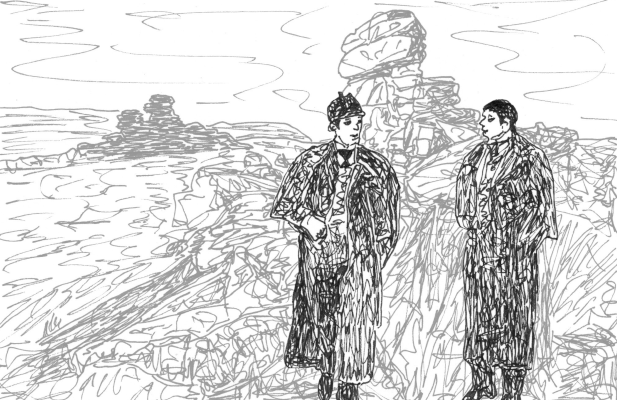
(English) The Boys examine the spot where the chicken was last seen, and Heinz doesn't care about Helmut's need for a nap to be fully functional. They find a trail, but whether they should be happy about it remains unclear. |
 |
(Italiano) I Ragazzi esaminano il luogo in cui il pollo era stato avvistato poco prima e Heinz non fa caso al fatto che Helmut ha bisogno di un pisolino per essere completamente operativo. Trovano un indizio, ma all'inizio non è chiaro se debbano esserne felici o meno. |
(Deutsch) Die Jungs begutachten die Stelle, an der das Huhn kurz zuvor gesichtet worden ist, und Heinz nimmt keine Rücksicht darauf, dass Helmut seinen Mittagsschlaf braucht, um voll funktionsfähig zu sein. Sie finden eine Spur, doch ob sie sich darüber freuen sollen, bleibt zunächst unklar. Normal Version | ||
Tag 9 1 Helmut: Ich glaube zwar nicht, dass es nötig war, mit vollem Magen diese Strecke zu laufen, aber wie du willst. |
Day 9 Helmut: I don't think it was necessary to walk all this way on a full stomach, but if you insist. |
Jour 9 Helmut : Je ne pense pas qu'il était nécessaire de faire tout ce chemin avec l'estomac plein, mais si tu insistes. |
Giorno 9 Helmut: Non credo fosse necessario camminare fino a qui a stomaco pieno, ma se insisti... |
Día 9 Helmut: No creo que fuera necesario recorrer todo este camino con el estómago lleno, pero si insistes. |
2 Helmut: Poirot hat schon den Busch abgesucht und die Fußspuren fotografiert. Was willst du noch? |
Helmut: Poirot has already searched the bush and photographed the footprints. What more do you want? |
Helmut : Poirot a déjà fouillé le buisson et photographié les traces de pas. Qu'est-ce que tu veux de plus ? |
Helmut: Poirot ha già cercato nella boscaglia e fotografato le impronte. Cosa vuoi di più? |
Helmut: Poirot ya ha registrado el arbusto y fotografiado las huellas. ¿Qué más quieres? |
3 Heinz: Lass dir nichts anmerken. Da ist jemand auf 10 Uhr. |
Heinz: Don't let on. There's someone on your ten o'clock. |
Heinz : Ne laisse rien paraître. Il y a quelqu'un à 10 heures. |
Heinz: Non darlo a vedere. C'è qualcuno a ore dieci. |
Heinz: Que no se note. Hay alguien a las diez en punto. |
4 Helmut: Der entlaufene Sträfling! Er hatte wahrscheinlich äh ... das Huhn trainiert, ist dann wegen eines anderen Delikts eingesperrt worden, und jetzt ist er wieder da, um seinen Job zu beenden. |
Helmut: The escaped convict! He was probably uh... training the chicken, then got locked up for another offense, and now he's back to finish the job. |
Helmut : Le prisonnier évadé ! Il avait probablement euh... entraîné la poule, puis a été emprisonné pour un autre délit, et maintenant il est de retour pour finir son travail. |
Helmut: L'evaso! Probabilmente stava... addestrando il pollo, poi è stato rinchiuso per un altro reato e ora è tornato per finire il lavoro. |
Helmut: ¡El convicto fugado! Probablemente había ehm... entrenado a la gallina, luego fue encarcelado por otro delito, y ahora ha vuelto para terminar el trabajo. |
5 Heinz: Er ist nicht mehr zu sehen. Lass uns mal hingehen, wo er gestanden hat, vielleicht finden wir da was. |
Heinz: He's no longer visible. Let's go to where he was standing, maybe we'll find something there. |
Heinz : On ne le voit plus. Allons à l'endroit où il se tenait, nous y trouverons peut-être quelque chose. |
Heinz: Non è più visibile. Andiamo nel punto in cui era, forse lì troveremo qualcosa. |
Heinz: Ya no está visible. Vayamos al lugar donde estaba, quizá encontremos algo allí. |
6 Helmut: Ach ja, und wie kann ein Roboter aus dem Sumpf steigen? |
Helmut: I see, and how can a robot get out of the swamp? |
Helmut : Je vois, et comment un robot peut-il sortir du marais ? |
Helmut: Capisco, e come può un robot uscire da una palude? |
Helmut: Ah, sí, ¿y cómo puede un robot salir del pantano? |
7 Helmut: (...) Lass uns mal kurz hinsetzen, ich kann nicht mehr! |
Helmut: (...) Let's sit down for a moment, I'm exhausted! |
Helmut : (...) Asseyons-nous un instant, je n'en peux plus ! |
Helmut: (...) Sediamoci un attimo, non ne posso più! |
Helmut: (...) ¡Sentémonos un momento, no puedo más! |
8 Heinz: Die Absätze sind zum Teil tief eingedrückt. |
Heinz: The heels are deeply indented in places. |
Heinz : Les talons sont profondément enfoncés à certains endroits. |
Heinz: I tacchi hanno scavato profondamente nel terreno in alcuni punti. |
Heinz: Los tacones se han clavado profundamente en el suelo en algunos lugares. |
9 Heinz: Cowboystiefel sind nicht besonders praktisch in dieser Landschaft, oder? Man trägt eher Wanderschuhe. |
Heinz: Cowboy boots aren't very practical in this landscape, are they? Hiking boots are more appropriate. |
Heinz : Les bottes de cow-boy ne sont pas très pratiques dans ce paysage, n'est-ce pas ? On porte plutôt des chaussures de marche. |
Heinz: Gli stivali da cowboy non sono particolarmente pratici in questo paesaggio, vero? Gli scarponi da trekking sono più adatti. |
Heinz: Las botas vaqueras no son muy prácticas en este paisaje, ¿verdad? Las botas de montaña son más apropiadas. |
10 Heinz: Seufz. |
Heinz: Sigh. |
Heinz : Soupir. |
Heinz: Sospiro. |
Heinz: Suspiro. |
(English) The two wake up with bumps on their heads in a cave where they have been taken. Is Helmut right and is there really an escaped prisoner? Someone has been living in this cave. The Boys find out that nothing has been stolen from them... except for one shoe. |
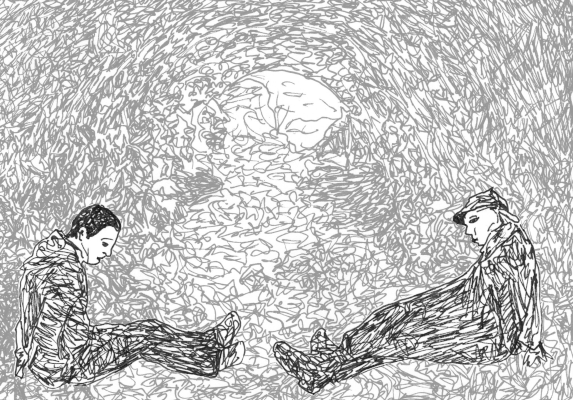 |
(Italiano) I due si svegliano con dei bernoccoli in testa in una grotta dove sono stati portati. Helmut ha ragione e c'è davvero un prigioniero in fuga? Sicuramente qualcuno ha vissuto nella grotta. I Ragazzi scoprono che non gli è stato rubato nulla... tranne una scarpa. |
(Deutsch) Die beiden wachen mit Beulen am Kopf in einer Höhle auf, in die sie verschleppt worden sind. Hat Helmut recht und es gibt tatsächlich einen ausgebrochenen Häftling? Jemand hat jedenfalls in dieser Höhle gehaust. Die Jungs finden heraus, dass ihnen nichts gestohlen worden ist ... außer einem Schuh. Normal Version | ||
Tag 9 1 Helmut: Wo sind wir? |
Day 9 Helmut: Where are we? |
Jour 9 Helmut : Où sommes-nous ? |
Giorno 9 Helmut: Dove siamo? |
Día 9 Helmut: ¿Dónde estamos? |
2 Helmut: Idiot! Und ist unser Entführer auch hier? |
Helmut: Idiot! And is our kidnapper here too? |
Helmut : Idiot ! Et notre kidnappeur est là aussi ? |
Helmut: Idiota! E c'è anche il nostro rapitore? |
Helmut: ¡Idiota! ¿Y nuestro secuestrador también está aquí? |
3 Helmut: Oh Gott! Jetzt ist das Huhn hinter MIR her. Njeh, njeh, ich muss hier raus! |
Helmut: Oh God! Now the chicken is after ME. Nyeh, nyeh, I gotta get outta here! |
Helmut : Oh mon Dieu ! Maintenant, la poule est après MOI. Nyeh, nyeh, je dois sortir d'ici ! |
Helmut: Oh Dio! Ora il pollo sta cercando ME. Gnieh, gnieh, devo andarmene da qui! |
Helmut: ¡Oh Dios! Ahora el pollo me persigue a MÍ. Nñeh, ñeh, ¡tengo que salir de aquí! |
4 Helmut: Und wie? Ich will mich auch befreien! |
Helmut: And how? I want to free myself too! |
Helmut : Et comment ? Moi aussi, je veux me libérer ! |
Helmut: E come? Anch'io voglio liberarmi! |
Helmut: ¿Y cómo? ¡Yo también quiero liberarme! |
5 Helmut: Jetzt ich! |
Helmut: Now me! |
Helmut : Maintenant, moi ! |
Helmut: Ora io! |
Helmut: ¡Ahora yo! |
6 Helmut: Aah, jetzt hab ich einen Krampf im Bein! Beeil dich! |
Helmut: Aah, now I've got a cramp in my leg! Hurry up! |
Helmut : Aah, maintenant j'ai une crampe à la jambe ! Dépêche-toi ! |
Helmut: Ah, ora ho un crampo alla gamba! Fai in fretta! |
Helmut: ¡Aah, ahora tengo un calambre en la pierna! Date prisa. |
7 Heinz: Hier in der Höhle hat jemand gehaust, siehst du die Flasche und die Konservendose? Aha, und Fussel von einer Decke. |
Heinz: Someone has been dwelling here in the cave, see the bottle and the tin can? Ah, and fluff from a blanket. |
Heinz : Quelqu'un a habité ici dans la grotte, tu vois la bouteille et la boîte de conserve ? Ah, et des fibres d'une couverture. |
Heinz: Qualcuno ha dimorato qui nella grotta, vedi la bottiglia e la lattina? Ah, e la lanugine di una coperta. |
Heinz: Alguien ha estado morando aquí en la cueva, ¿ves la botella y la lata? Ajá, y la pelusa de una manta. |
(English) Heinz returns from some errands and finds his comrade sitting in a wing chair in the library, hardly accessible to his remarks, as he imagines himself in the crosshairs of the horror chicken. But Heinz does have quite a story to tell. |
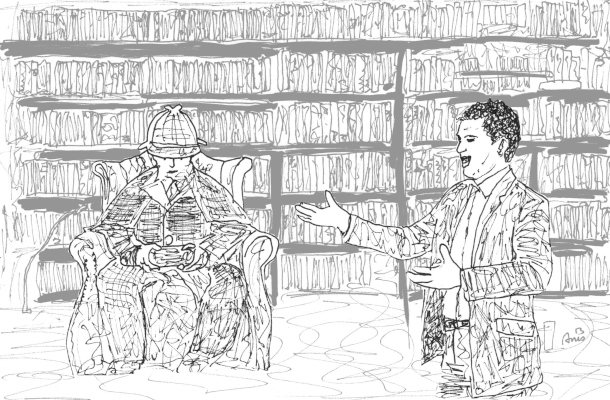 |
(Italiano) Heinz torna da alcune commissioni e trova il suo compagno seduto su una poltrona a rotelle in biblioteca, difficilmente disponibile a ricevere spiegazioni in quanto si ritiene nel mirino della gallina dell'orrore. Ma Heinz ha qualcosa di importante da dire. |
(Deutsch) Heinz kommt von Besorgungen zurück und findet seinen Kameraden in einem Ohrensessel in der Bibliothek sitzend und für seine Ausführungen kaum zugänglich, da er sich im Fadenkreuz des Horrorhuhns wähnt. Dabei hat Heinz durchaus etwas zu erzählen. Normal Version | ||
Tag 10 1 Heinz: Ach hier steckst du! |
Day 10 Heinz: Oh, here you are! |
Jour 10 Heinz : Oh, te voilà ! |
Giorno 10 Heinz: Oh, eccoti qui! |
Día 10 Heinz: ¡Aquí estás! |
2 Heinz: Was suchst du? |
Heinz: What are you looking for? |
Heinz : Qu'est-ce que tu cherches ? |
Heinz: Cosa stai cercando? |
Heinz: ¿Qué buscas? |
3 Helmut: Videos von Leuten, die abkacken. Hier, kuck! |
Helmut: Videos of people who screw up. Here, look! |
Helmut : Des vidéos de gens qui se plantent. Tiens, regarde ! |
Helmut: Video di persone che fanno cazzate. Ecco, guarda! |
Helmut: Vídeos de gente que la caga. Mira. |
4 Heinz: Ich verstehe. Holmes. |
Heinz: I see. Holmes. |
Heinz : Je vois. Holmes. |
Heinz: Capisco. Holmes. |
Heinz: Ya veo. Holmes. |
5 Heinz: Wo sind eigentlich die anderen? Ich hab im Salon nur Monk und Sharona gesehen, die die Kissen anordnen. |
Heinz: Where are the others, anyway? I've only seen Monk and Sharona in the lounge, arranging the cushions. |
Heinz : Où sont les autres, d'ailleurs ? Je n'ai vu que Monk et Sharona dans le salon, en train d'arranger les coussins. |
Heinz: E gli altri, dove sono? Ho visto solo Monk e Sharona in sala a sistemare i cuscini. |
Heinz: Y los demás, ¿dónde están? Solo he visto a Monk y a Sharona en el salón, arreglando los cojines. |
6 Helmut: Sagst du mir jetzt, wo du so lange warst? |
Helmut: Are you going to tell me now where you've been for so long? |
Helmut : Tu vas me dire maintenant où tu as été si longtemps ? |
Helmut: Hai intenzione di dirmi ora dove sei stato per tutto questo tempo? |
Helmut: ¿Vas a decirme ahora dónde has estado tanto tiempo? |
7 Heinz: Nachdem ich ihn mit einer guten Flasche Cognac bestochen habe, hat er was anderes gesagt. |
Heinz: After I bribed him with a good bottle of cognac, he said something else. |
Heinz : Après que je l'ai soudoyé avec une bonne bouteille de cognac, il a dit autre chose. |
Heinz: Dopo che l'ho corrotto con una buona bottiglia di cognac, ha detto qualcos'altro. |
Heinz: Después de sobornarle con una buena botella de coñac, dijo otra cosa. |
8 Heinz: Mann, das war gar keiner von seinen Fahrern! Er hatte das Taxi an besagtem Abend vermietet. |
Heinz: Man, it wasn't one of his drivers! He had hired out the cab that evening. |
Heinz : Mec, ce n'était pas un de ses chauffeurs ! Il avait loué le taxi le soir en question. |
Heinz: Amico, non era uno dei suoi autisti! Ha noleggiato il taxi la notte in questione. |
Heinz: ¡Tío, no era uno de sus chóferes! Había alquilado el taxi la noche en cuestión. |
9 Helmut: Wie? Ah. Nun gut, dann lass uns in die Stadt fahren, ich habe da eine Idee. |
Helmut: What? Ah. Well then, let's go into town, I've got an idea. |
Helmut : Quoi ? Ah. Bon alors, allons en ville, j'ai une idée. |
Helmut: Come? Ah... Bene, allora andiamo in città, ho un'idea. |
Helmut: ¿Qué? Ah. Pues entonces, vayamos a la ciudad, tengo una idea. |
10 Heinz: Das war dein Plan? Pralinen kaufen? |
Heinz: That was your plan? Buying chocolates? |
Heinz : C'était ça ton plan ? Acheter des chocolats ? |
Heinz: Era questo il tuo piano? Comprare cioccolatini? |
Heinz: ¿Ese era tu plan? ¿Comprar bombones? |
(English) Music brings the Boys together at two o'clock in the morning. They use the opportunity to exchange ideas, because each of them has made progress in this case in his own way: Heinz has done research on the internet and Helmut has found a book with his particular method. |
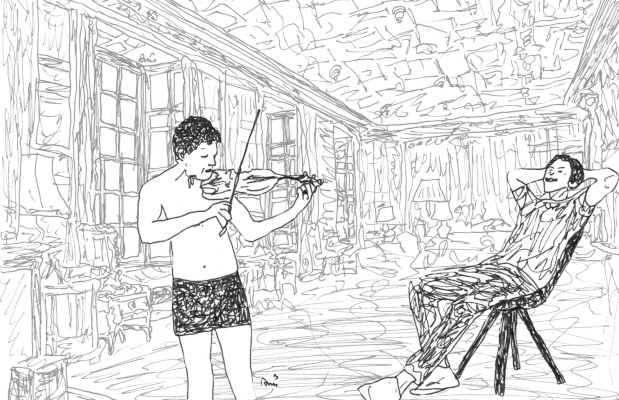 |
(Italiano) La musica riunisce i Ragazzi alle due del mattino. Ne approfittano per scambiarsi idee, perché ognuno ha fatto progressi sul caso a modo suo: Heinz ha fatto delle ricerche su Internet e Helmut ha trovato un libro utilizzando il suo metodo speciale. |
(Deutsch) Die Musik führt die Jungs um zwei Uhr nachts zusammen. Sie nutzen die Gelegenheit, um sich auszutauschen, denn jeder ist auf seine Art im Fall weitergekommen: Heinz hat im Internet recherchiert und Helmut hat mit seiner besonderen Methode ein Buch gefunden. Normal Version | ||
Tag 10 1 Heinz: Helmut, es ist zwei Uhr in der Nacht. |
Day 10 Heinz: Helmut, it's two o'clock at night. |
Jour 10 Heinz : Helmut, il est deux heures du matin. |
Giorno 10 Heinz: Helmut, sono le due di notte. |
Día 10 Heinz: Helmut, son las dos de la madrugada. |
2 Heinz: Du hast gar kein Notenblatt. Das schüttelst du einfach so aus dem Ärmel, was? |
Heinz: You don't even have a music sheet. You just shake that out of your sleeve, don't you? |
Heinz : Tu n'as même pas de partition. Tu la sors juste de ta manche, n'est-ce pas ? |
Heinz: Non hai nemmeno uno spartito. Lo tiri fuori dalla manica, vero? |
Heinz: Ni siquiera tienes una partitura. Te la sacas de la manga, ¿no? |
3 Heinz: Immerhin sitzt du hier in deiner Unterhose und diesen Stiefeln ... |
Heinz: After all, you're sitting here in your underpants and these boots... |
Heinz : Après tout, tu es assis ici en caleçon et avec ces bottes... |
Heinz: Dopo tutto, sei seduto qui in mutande e con questi stivali... |
Heinz: Después de todo, estás aquí sentado en calzoncillos y con estas botas... |
4 Heinz: Was ist das für ein Buch auf deinem Nachttisch? Das lag gestern noch nicht da. |
Heinz: What's that book on your bedside table? It wasn't there yesterday. |
Heinz : C'est quoi ce livre sur ta table de nuit ? Il n'y était pas hier. |
Heinz: Cos'è quel libro sul tuo comodino? Ieri non c'era. |
Heinz: ¿Qué es ese libro que tienes en la mesilla de noche? Ayer no estaba ahí. |
5 Heinz: Und wozu? Das ist ein Roman von 2007. Baskerville hat ihn nicht geschrieben. |
Heinz: And what for? It's a novel from 2007. Baskerville didn't write it. |
Heinz : Et pour quoi faire ? C'est un roman de 2007. Ce n'est pas Baskerville qui l'a écrit. |
Heinz: E perché? È un romanzo del 2007. Baskerville non l'ha scritto. |
Heinz: ¿Y para qué? Es una novela de 2007. Baskerville no la escribió. |
6 Helmut: Hör zu: Warum gehst du nicht runter in die Bibliothek und holst dir dein eigenes Buch, anstatt mich zu nerven? |
Helmut: Listen, why don't you go down to the library and get your own book instead of bugging me? |
Helmut : Ecoute, pourquoi ne descends-tu pas à la bibliothèque te procurer ton propre livre au lieu de m'embêter ? |
Helmut: Senti, perché non scendi in biblioteca a prendere il tuo proprio libro invece di rompere le scatole a me? |
Helmut: Escucha, ¿por qué no bajas a la biblioteca a buscar tu propio libro en vez de molestarme? |
7 Heinz: Apropos: Ich weiß jetzt, dass Baskerville einen Kompagnon namens Simon Grey hatte, der gerade aus dem Gefängnis entlassen wurde. |
Heinz: Speaking of which, I now know that Baskerville had a partner called Simon Grey, who's just been released from prison. |
Heinz : À ce propos, je sais maintenant que Baskerville avait un partenaire appelé Simon Grey, qui vient d'être libéré de prison. |
Heinz: A proposito, ora so che Baskerville aveva un socio chiamato Simon Grey, che è appena stato rilasciato dalla prigione. |
Heinz: Hablando de eso, ahora sé que Baskerville tenía un socio llamado Simon Grey, que acaba de salir de la cárcel. |
8 Heinz: Ah, du hast es nicht vergessen. Sehr gut. Ja, Baskerville ist in der Loge, erinnerst du dich? |
Heinz: Ah, you haven't forgotten. Very good. Yes, Baskerville is in the Lodge, remember? |
Heinz : Ah, tu n'as pas oublié. Très bien. Oui, Baskerville est dans la Loge, tu te souviens ? |
Heinz: Ah, non l'hai dimenticato. Molto bene. Sì, Baskerville è nella Loggia, ricordi? |
Heinz: Ah, no lo has olvidado. Muy bien. Sí, Baskerville está en la Logia, ¿recuerdas? |
9 Heinz: Hab ich doch gerade gesagt. Auf Simons Profil ist so gut wie nichts gepostet, aber er ist in der Loge und gehört zu Baskervilles Kontakten. |
Heinz: I just told you. There's virtually nothing posted on Simon's profile, but he's in the Lodge and is one of Baskerville's contacts. |
Heinz : Je viens de te le dire. Il n'y a pratiquement rien d'affiché sur le profil de Simon, mais il est dans la Loge et fait partie des contacts de Baskerville. |
Heinz: Te l'ho appena detto. Non c'è praticamente nulla sul profilo di Simon, ma fa parte della Loggia ed è uno dei contatti di Baskerville. |
Heinz: Acabo de decírtelo. No hay prácticamente nada publicado en el perfil de Simon, pero está en la Logia y es uno de los contactos de Baskerville. |
10 Helmut: Musst du dauernd diesen Namen wiederholen? |
Helmut: Do you have to keep repeating that name? |
Helmut : Tu es obligé de répéter ce nom constamment ? |
Helmut: Devi continuare a ripetere questo nome? |
Helmut: ¿Tienes que seguir repitiendo ese nombre? |
(English) In this two-hundredth episode of The Boys, Heinz and Helmut go on a magical journey for a second time. It's a short trip to a peculiar place of power, and they meet people who lived thousands of years ago. When they return, they get a huge shock. |
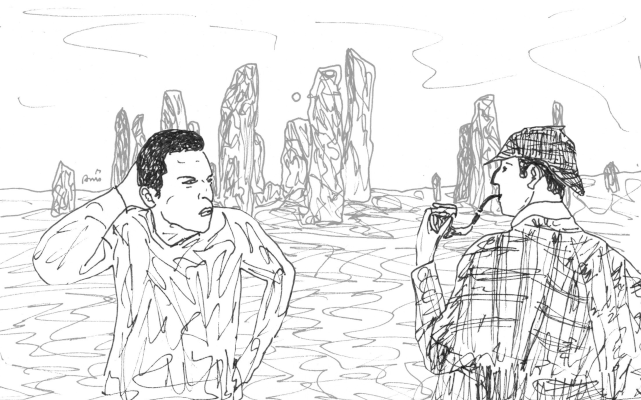 |
(Italiano) In questo duecentesimo episodio di I Ragazzi, Heinz e Helmut partono per un secondo viaggio magico. Si tratta di un breve viaggio verso uno speciale luogo di potere e incontrano persone che hanno vissuto lì migliaia di anni fa. Quando tornano, prendono un grande spavento. |
(Deutsch) In dieser zweihundertsten Jungs-Folge gehen Heinz und Helmut ein zweites Mal auf eine magische Reise. Es ist eine kurze Reise zu einem besonderen Kraftort und sie begegnen darin Menschen, die vor Jahrtausenden gelebt haben. Als sie zurückkommen, bekommen sie einen gewaltigen Schreck. Normal Version | ||
Tag 11 1 Heinz: Ich halte das für eine außergewöhnliche Wendung. Im Buch von Doyle kam eine ähnliche Warnung vor. |
Day 11 Heinz: I think that's an unusual twist. There was a similar warning in Doyle's book. |
Jour 11 Heinz : Je pense que c'est une tournure extraordinaire. Dans le livre de Doyle, il y avait un avertissement similaire. |
Giorno 11 Heinz: Penso che sia una svolta insolita. C'era un avvertimento simile nel libro di Doyle. |
Día 11 Heinz: Creo que es un giro extraordinario. Había una advertencia similar en el libro de Doyle. |
2 Heinz: Da vorne ist der Steinkreis. Oh, Mister Monk, da sollten Sie lieber nicht hinsehen, der Felsen steht ganz schief in der Erde. Das schaffen Sie nicht. Was? Ein Bagger? Also, ich glaube nicht, dass wir hier ... |
Heinz: The stone circle is over there. Oh, Mr. Monk, you'd better not look there, the rock is all crooked in the ground. You won't make it. What's that? An excavator? Well, I don't think we can... |
Heinz : Le cercle de pierres est là-bas. Oh, Monsieur Monk, vous feriez mieux de ne pas regarder là-bas, la pierre est toute tordue dans le sol. Vous n'y arriverez pas. Quoi ? Une pelleteuse ? Eh bien, je ne pense pas que nous puissions... |
Heinz: Il cerchio di pietre è laggiù. Oh, signor Monk, è meglio che non guardi là, la roccia è tutta storta nel terreno. Non ce la farà. Cos'è quello? Un escavatore? Beh, non credo che possiamo... |
Heinz: El círculo de piedras está por allí. Oh, Sr. Monk, será mejor que no mire ahí, la roca está toda torcida en el suelo. No lo logrará. ¿Qué es eso? ¿Una excavadora? Bueno, no creo que podamos... |
3 Heinz: Hast du übrigens die Pistole gesehen, die aus meinem Beutel verschwunden ist? |
Heinz: By the way, have you seen the gun that disappeared from my bag? |
Heinz : Au fait, as-tu vu le pistolet qui a disparu de mon sac ? |
Heinz: A proposito, hai visto la pistola che è scomparsa dalla mia borsa? |
Heinz: Por cierto, ¿has visto la pistola que desapareció de mi bolsa? |
4 Heinz: Scheiße, das Huhn! |
Heinz: Shit, the chicken! |
Heinz : Merde, la poule ! |
Heinz: Merda, il pollo! |
Heinz: ¡Mierda, el pollo! |
5 Heinz: Peng! |
Heinz: Bang! |
Heinz : Bang ! |
Heinz: Bang! |
Heinz: ¡Bang! |
6 Helmut: Da stehen Leute in der Mitte am Feuer und kucken uns an. |
Helmut: There are people standing in the middle by the fire and looking at us. |
Helmut : Il y a des gens au milieu près du feu qui nous regardent. |
Helmut: Ci sono delle persone al centro, vicino al fuoco, che ci guardano. |
Helmut: Hay gente en el centro, junto al fuego, que nos mira. |
7 Heinz: Ich weiß was Besseres. |
Heinz: I know something better. |
Heinz : J'ai une meilleure idée. |
Heinz: So qualcosa di meglio. |
Heinz: Yo sé algo mejor. |
8 Heinz: (...) OK, das reicht. Lass uns zurückgehen! Alle noch kurz umarmen, so, macht's gut, Leute! |
Heinz: (...) OK, that's enough. Let's go back! Let's give everyone a quick hug, like this, take care, guys! |
Heinz : (...) Bon, ça suffit. Retournons-y ! Embrassons tout le monde rapidement, voilà, prenez soin de vous, les gars ! |
Heinz: (...) Ok, basta così. Torniamo indietro! Abbracciamo tutti velocemente, così, statemi bene, ragazzi! |
Heinz: (...) Vale, ya basta. ¡Volvamos! Un abrazo rápido a todos, así, ¡cuidaos, chicos! |
9 Heinz: Das waren anscheinend mehr als zehn Minuten. Da sind sogar Journalisten dabei. |
Heinz: Apparently, it was more than ten minutes. There are even journalists there. |
Heinz : Apparemment, ça fait plus de dix minutes. Il y a même des journalistes. |
Heinz: A quanto pare, sono passati più di dieci minuti. Ci sono anche dei giornalisti. |
Heinz: Por lo visto, fueron más de diez minutos. Incluso hay periodistas allí. |
10 Helmut: Da kam Nebel, dann haben die einen Schuss gehört, dann ein Pfeifen, dann einen Plumps. Zwei Plümpse. |
Helmut: There was fog, then they heard a shot, then a whistle, then a plop. Two plops. |
Helmut : Il y avait du brouillard, puis ils ont entendu un coup de feu, puis un sifflement, puis un plouf. Deux ploufs. |
Helmut: C'era la nebbia, poi hanno sentito uno sparo, poi un fischio, poi un plop. Due plop. |
Helmut: Había niebla, luego oyeron un disparo, luego un silbido, luego un plof. Dos plofs. |
(English) Heinz has been fasting for six days and he follows a hunch that leads the Boys to the city of Exeter. Simon Grey, the mysterious partner of the head of the Baskerville household, is said to be there. Helmut, meanwhile, is being sedated with sugar. |
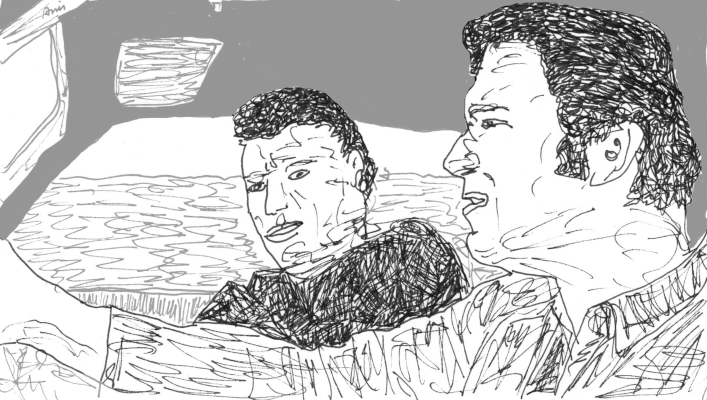 |
(Italiano) Heinz ha digiunato per sei giorni e segue un'intuizione che porta i Ragazzi alla città di Exeter. Si dice che Simon Grey, il misterioso compagno del signore dei Baskerville, si trovi lì. Nel frattempo, Helmut viene sedato con lo zucchero. |
(Deutsch) Heinz fastet bereits seit sechs Tagen und er folgt einer Eingebung, die die Jungs in die Stadt Exeter führt. Dort soll sich Simon Grey aufhalten, der geheimnisvolle Kompagnon des Hausherrn von Baskerville. Helmut wird derweil mit Zucker ruhiggestellt. Normal Version | ||
Tag 12 1 Helmut: Denkst du wirklich, dass du in deinem Zustand fahren solltest? |
Day 12 Helmut: Do you really think you should be driving in your condition? |
Jour 12 Helmut : Tu penses vraiment que tu devrais conduire dans ton état ? |
Giorno 12 Helmut: Pensi davvero che dovresti guidare nelle tue condizioni? |
Día 12 Helmut: ¿De verdad crees que deberías conducir en tu estado? |
2 Helmut: Mjam. Zucker macht das Leben süß. Hach, diese Landschaft! Irgendwie ... |
Helmut: Myam. Sugar is what makes life sweet. Oh, this landscape! Somehow... |
Helmut : Miam. Le sucre, c'est ce qui rend la vie douce. Ah, ce paysage ! C'est tellement... |
Helmut: Miam. Lo zucchero rende dolce la vita. Oh, questo paesaggio! È così... |
Helmut: Mñam. El azúcar endulza la vida. ¡Oh, este paisaje! De algún modo... |
3 Heinz: Die Scheibenwischer sind wieder tipp topp. Siehst du? |
Heinz: The windshield wipers are tip-top again. See? |
Heinz : Les essuie-glaces sont de nouveau au top. Tu vois ? |
Heinz: I tergicristalli sono di nuovo a posto. Vedi? |
Heinz: Los limpiaparabrisas vuelven a estar de punta. ¿Lo ves? |
4 Heinz: Ich hab dir doch von Simon Grey erzählt. |
Heinz: I told you about Simon Grey. |
Heinz : Je t'ai parlé de Simon Grey. |
Heinz: Ti ho parlato di Simon Grey. |
Heinz: Te hablé de Simon Grey. |
5 Helmut: Und hat dir das auch Graham erzählt? |
Helmut: And did Graham tell you that too? |
Helmut : Et Graham te l'a dit aussi ? |
Helmut: E Graham ti ha detto anche questo? |
Helmut: ¿Y también te lo dijo Graham? |
6 Heinz: Was denn gönnen? Wovon redest du? |
Heinz: Begrudge what? What are you talking about? |
Heinz : Envier quoi ? De quoi parles-tu ? |
Heinz: Invidioso di cosa? Di cosa stai parlando? |
Heinz: ¿Envidia de qué? ¿De qué estás hablando? |
7 Helmut: Du hast jedenfalls Glück gehabt. |
Helmut: You were lucky, anyway. |
Helmut : En tout cas, tu as eu de la chance. |
Helmut: Sei stato fortunato, comunque. |
Helmut: De todas formas, tuviste suerte. |
8 Heinz: Und die andere Sache? |
Heinz: And the other thing? |
Heinz : Et l'autre chose ? |
Heinz: E l'altra cosa? |
Heinz: ¿Y lo otro? |
9 Heinz: Hm. Und dein Buch? Was steht denn in Kapitel 1? |
Heinz: Hm. And your book? What's in chapter 1? |
Heinz : Hm. Et ton livre ? Qu'y a-t-il au chapitre 1 ? |
Heinz: Hm. E il tuo libro? Cosa c'è nel capitolo 1? |
Heinz: Hm. ¿Y tu libro? ¿Qué hay en el capítulo 1? |
(English) The stay in Exeter does not appeal to Helmut and he wonders what he is supposed to be doing there, far away from the action. Little does he know that he is in exactly the right place, because someone has an important message for him. Heinz is impressed. |
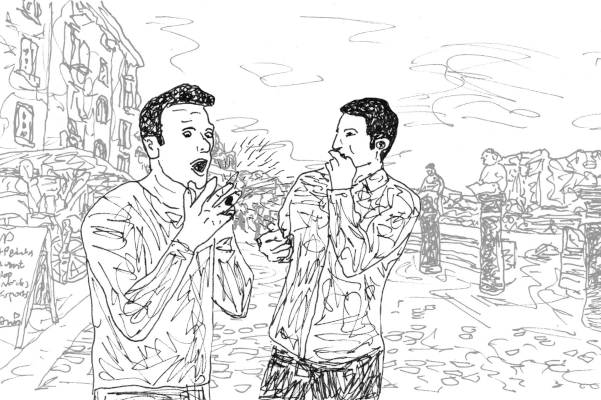 |
(Italiano) Il soggiorno a Exeter non piace a Helmut e si chiede cosa dovrebbe fare lì, lontano dall'azione. Non si rende conto di essere perfettamente nel posto giusto, perché qualcuno ha un messaggio importante per lui. Heinz è impressionato. |
(Deutsch) Der Aufenthalt in Exeter sagt Helmut nicht zu und er fragt sich, was er überhaupt dort soll, fernab vom Geschehen. Er ahnt nicht, dass er genau am richtigen Ort ist, denn jemand hat eine wichtige Botschaft für ihn. Heinz ist beeindruckt. Normal Version | ||
Tag 14 1 Helmut: Wollen wir dann wieder? |
Day 14 Helmut: Shall we go then? |
Jour 14 Helmut : On y va alors ? |
Giorno 14 Helmut: Allora? |
Día 14 Helmut: ¿Y bien? |
2 Heinz: Wie du willst. Na los, bis morgen wirst du es schon noch aushalten, dann können wir zurück. Ich hab alles, was ich brauche. |
Heinz: Whatever you say. Come on, you can hold out until tomorrow, then we can return. I've got everything I need. |
Heinz : Comme tu veux. Allez, tu tiendras jusqu'à demain et nous pourrons rentrer. J'ai tout ce dont j'ai besoin. |
Heinz: Come vuoi tu. Dai, puoi resistere fino a domani, poi possiamo tornare. Ho tutto quello che mi serve. |
Heinz: Lo que tú digas. Vamos, puedes aguantar hasta mañana, luego podemos volver. Tengo todo lo que necesito. |
3 Helmut: Ausgerechnet jetzt, wo das Huhn zum Generalangriff übergeht, verlassen wir den Ort des Geschehens, das ... Oh nein, da ist sie wieder. |
Helmut: Just when the chicken is launching its all-out attack, we leave the scene of the incident, this... Oh no, there she is again. |
Helmut : C'est justement au moment où la poule passe à l'attaque générale que nous quittons le lieu de l'événement, c'est... Oh non, la revoilà. |
Helmut: Proprio quando il pollo sta per sferrare il suo attacco generale, lasciamo la scena dell'incidente, questo... Oh no, eccola di nuovo. |
Helmut: Justo cuando la gallina está a punto de pasar al ataque general, salimos de la escena del incidente, es... Oh, no, ahí está otra vez. |
4 Helmut: Wenn wir nur wüssten, wer die Nachricht geschrieben und uns zum Steinkreis bestellt hat! Es war eine Frauenhandschrift, aber sie passte zu keiner der Angestellten. |
Helmut: If only we knew who wrote the message and summoned us to the stone circle! It was a woman's handwriting, but it didn't match any of the staff. |
Helmut : Si seulement nous savions qui a écrit le message et nous a convoqués au cercle de pierres ! C'était l'écriture d'une femme, mais elle ne correspondait à aucun membre du personnel. |
Helmut: Se solo sapessimo chi ha scritto il messaggio e ci ha convocato al cerchio di pietre! Era una calligrafia femminile, ma non corrispondeva a nessuno del personale. |
Helmut: ¡Si supiéramos quién escribió el mensaje y nos convocó al círculo de piedra! Era la letra de una mujer, pero no correspondía a nadie del personal. |
5 Helmut: Fragen über Fragen. |
Helmut: Questions upon questions. |
Helmut : Des questions, encore des questions. |
Helmut: Domande su domande. |
Helmut: Preguntas y más preguntas. |
6 Heinz: Die Hand in die Hosentasche zu stecken, ist trotzdem keine gute Idee. |
Heinz: Putting your hand in your pocket is still not a good idea. |
Heinz : Mettre la main dans la poche de ton pantalon n'est quand même pas une bonne idée. |
Heinz: Mettere la mano nella tasca dei pantaloni non è comunque una buona idea. |
Heinz: De todas formas, meter la mano en el bolsillo del pantalón no es buena idea. |
7 Helmut: Sie sieht hypnotisiert aus. Ich schalte besser den Universalübersetzer ein. |
Helmut: She looks hypnotized. I'd better switch on the universal translator. |
Helmut : Elle a l'air hypnotisée. Je ferais mieux d'allumer le traducteur universel. |
Helmut: Sembra ipnotizzata. È meglio che accenda il traduttore universale. |
Helmut: Parece hipnotizada. Será mejor que encienda el traductor universal. |
8 Heinz: Nein nein, hör doch! Sie ist die Schwester von Elsa, der Frau des Butlers. |
Heinz: No, no, listen! She's the sister of Elsa, the butler's wife. |
Heinz : Non, non, écoute ! C'est la sœur d'Elsa, la femme du majordome. |
Heinz: No, no, ascolta! È la sorella di Elsa, la moglie del maggiordomo. |
Heinz: ¡No, no, escucha! Es la hermana de Elsa, la mujer del mayordomo. |
(English) They have barely returned to Baskerville Hall when Sir Robert calls everyone together to deliver an important message to them at the northern moor. The Boys are curious and they review the case while Helmut changes his clothes. |
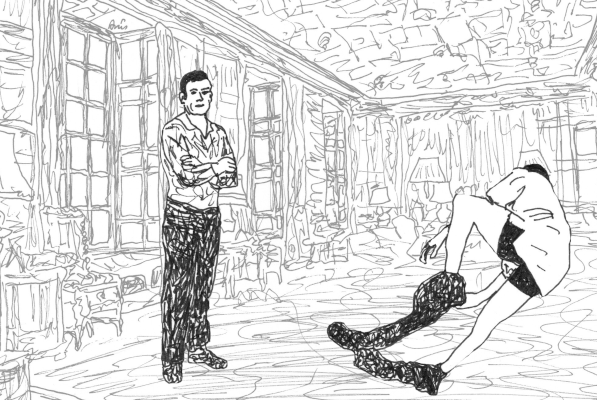 |
(Italiano) Non appena tornano a Baskerville Hall, Sir Robert chiama tutti a raccolta per consegnare un importante messaggio nella palude del nord. I Ragazzi sono pieni di aspettative e rivedono il caso mentre Helmut si cambia i vestiti. |
(Deutsch) Kaum sind sie zurück in Baskerville Hall, ruft Sir Robert alle zusammen, um ihnen am nördlichen Moor eine wichtige Botschaft zu überbringen. Die Jungs sind gespannt und lassen den Fall Revue passieren, während sich Helmut umzieht. Normal Version | ||
Tag 15 1 Helmut: Mister Monk, das müssen Sie sehen! Mister Mohonk!! Hey! |
Day 15 Helmut: Mr. Monk, you have to see this! Mr. Mohonk!! Hey! |
Jour 15 Helmut : Mister Monk, vous devez voir ça ! Mister Mohonk !! Hé ! |
Giorno 15 Helmut: Mister Monk, deve vedere questo! Mister Mohonk!! Ehi! |
Día 15 Helmut: ¡Mister Monk, tiene usted que ver esto! ¡Mister Mohonk! ¡Eh! |
2 Heinz: Also ich bin so weit fertig. |
Heinz: So, I'm ready to go. |
Heinz : Alors je suis prêt à partir. |
Heinz: Allora sono pronto ad andare. |
Heinz: Entonces estoy listo. |
3 Heinz: Ich meine: Ohne Huhn bleibt kaum etwas von unserem Fall des Huhns von Baskerville übrig. |
Heinz: I mean: without a chicken, there's hardly anything left of our case of the chicken of the Baskervilles. |
Heinz : Je veux dire : sans poule, il ne reste presque plus rien de notre affaire de la poule des Baskerville. |
Heinz: Voglio dire: senza un pollo, non rimane quasi nulla del nostro caso del pollo dei Baskerville. |
Heinz: Quiero decir: sin gallina, apenas queda nada de nuestro caso de la gallina de los Baskerville. |
4 Heinz: Pass auf, Mann! Mach das nicht mitten auf der ... |
Heinz: Watch out, man! Don't do that in the middle of the... |
Heinz : Attention, mec ! Ne fais pas ça au milieu des... |
Heinz: Attento, amico! Non farlo nel bel mezzo del... |
Heinz: ¡Cuidado, tío! No hagas eso en medio de las... |
5 Heinz: Wo ist deine Holmes-Kluft? Hast du die im Auto gelassen? |
Heinz: Where's your Holmes suit? Did you leave it in the car? |
Heinz : Où est ton costume Holmes ? Tu l'as laissé dans la voiture ? |
Heinz: Dov'è il tuo vestito di Holmes? L'hai lasciato in macchina? |
Heinz: ¿Dónde está tu traje de Holmes? ¿Te lo has dejado en el coche? |
6 Heinz: Soll ich dir helfen? |
Heinz: Would you like a hand? |
Heinz : Tu veux un coup de main ? |
Heinz: Ti aiuto? |
Heinz: ¿Te ayudo? |
7 Heinz: Der Fahrer hat offenbar einen Pfeiler gestreift, nachdem er Miss Marple und das Huhn in seiner Panik zurückgelassen hat. |
Heinz: The driver apparently hit a pillar after leaving Miss Marple and the chicken behind in his panic. |
Heinz : Le conducteur a apparemment heurté un pilier après avoir laissé Miss Marple et la poule derrière lui dans sa panique. |
Heinz: Sembra che l'autista abbia colpito un pilastro dopo aver lasciato Miss Marple e il pollo nel panico. |
Heinz: Al parecer, el conductor chocó contra un pilar tras dejar atrás a Miss Marple y a la gallina en su pánico. |
8 Heinz: Außerdem war er nervös und hatte es furchtbar eilig. |
Heinz: He was also nervous and in a terrible hurry. |
Heinz : En plus, il était nerveux et terriblement pressé. |
Heinz: Era anche nervoso e di una fretta terribile. |
Heinz: También estaba nervioso y tenía mucha prisa. |
(English) The unbelievable happens, because the chicken returns. But what is it? Heinz seems to have suspected it and is not at all surprised. Helmut realizes that his friend is serious about his suspicions and fears for his reward. |
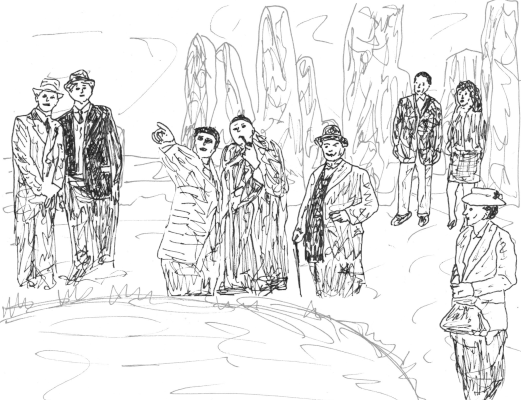 |
(Italiano) Succede l'incredibile, perché il pollo ritorna. Ma che cos'è? Heinz sembra averlo sospettato e non è affatto sorpreso. Helmut si rende conto che il suo amico ha dei sospetti seri e teme per la sua ricompensa. |
(Deutsch) Das Unfassbare geschieht, denn das Huhn kehrt zurück. Doch was ist das? Heinz scheint es geahnt zu haben und ist keineswegs überrascht. Helmut wird klar, dass sein Freund es mit seinen Verdächtigungen ernst meint, und er fürchtet um seine Belohnung. Normal Version | ||
Tag 15 1 Helmut: Ich komm mir vor wie auf einer Beerdigung. |
Day 15 Helmut: I feel like I'm at a funeral. |
zombie Jour 15 Helmut : J'ai l'impression d'être à un enterrement. |
zombie Giorno 15 Helmut: Mi sembra di essere a un funerale. |
zombi Día 15 Helmut: Me siento como si estuviera en un funeral. |
2 Helmut: (...) Komm mal grad mit! |
Helmut: (...) Come here for a sec! |
Helmut : (...) Viens un instant, s'il te plaît ! |
Helmut: (...) Vieni qui un momento, per favore! |
Helmut: (...) ¡Ven aquí un momento, por favor! |
3 Heinz: Zombie-Huhn. Helmut, du solltest wirklich auf dem Teppich bleiben. Äh, Holmes, meinte ich. Holmes glaubt doch nicht an Zombie-Hühner! Erinner dich mal an die Geschichte vom Hund von Baskerville. Na? |
Heinz: Zombie chicken. Helmut, you really should keep your feet on the ground. Uh, Holmes, I meant. Holmes doesn't believe in zombie chickens, does he! Remember the story of the Hound of the Baskervilles. Well? |
Heinz : Une poule zombie. Helmut, tu devrais vraiment garder les pieds sur terre. Euh, Holmes, je voulais dire. Holmes ne croit pas aux poulets zombies, n'est-ce pas ? Tu te souviens de l'histoire du Chien des Baskerville. Alors ? |
Heinz: Pollo zombie. Helmut, dovresti davvero tenere i piedi per terra. Ehm, Holmes, volevo dire. Holmes non crede ai polli zombie, vero? Ricordi la storia del Mastino dei Baskerville! Allora? |
Heinz: Pollo zombi. Helmut, deberías mantener los pies en el suelo. Ehm, Holmes, quería decir. Holmes no cree en los pollos zombis, ¿verdad? Recuerda la historia del Sabueso de los Baskerville. ¿Y bien? |
4 Helmut: Das ist ein Superhuhn, ich sag's dir. Und ein bisschen Nebel hat es auch wieder gesprüht. |
Helmut: It's a super chicken, I'm telling you. And it sprayed some fog again. |
Helmut : C'est une super poule, je te le dis. Et un peu de brouillard l'a encore vaporisé. |
Helmut: È un super pollo, te lo dico io. E ha spruzzato di nuovo della nebbia. |
Helmut: Es una super gallina, te lo aseguro. Y volvió a rociar un poco de niebla. |
5 Heinz: Egal, nicht so wichtig. Ich hab das alles aufgenommen, zum Teil mit Zoom, das reicht. |
Heinz: Never mind, it's not that important. I've recorded it all, partly with zoom, that'll do. |
Heinz : Peu importe, ce n'est pas important. J'ai tout enregistré, en partie avec le zoom, ça suffit. |
Heinz: Non è così importante. Ho registrato tutto, in parte con lo zoom, è sufficiente. |
Heinz: No es tan importante. Lo he grabado todo, en parte con el zoom, es suficiente. |
6 Helmut: Wenn Sir Robert das alles inszeniert hat, dann wird er uns doch wohl kaum die Belohnung geben, wenn wir ihn überführen. Das meine ich. |
Helmut: If Sir Robert orchestrated all this, he's hardly going to give us the reward if we catch him. That's what I mean. |
Helmut : Si Sir Robert a mis tout cela en scène, il va difficilement nous donner la récompense si on l'attrape. C'est ce que je veux dire. |
Helmut: Se Sir Robert ha orchestrato tutto questo, difficilmente ci darà la ricompensa se lo catturiamo. Ecco cosa intendo. |
Helmut: Si Sir Robert ha orquestado todo esto, difícilmente nos dará la recompensa si lo atrapamos. A eso me refiero. |
(English) Helmut finds Heinz in his room, where from the window he sees Sir Robert of Baskerville having a discussion with a servant. Heinz tells Helmut about his current activities and it becomes clear that the two of them make a perfect team. |
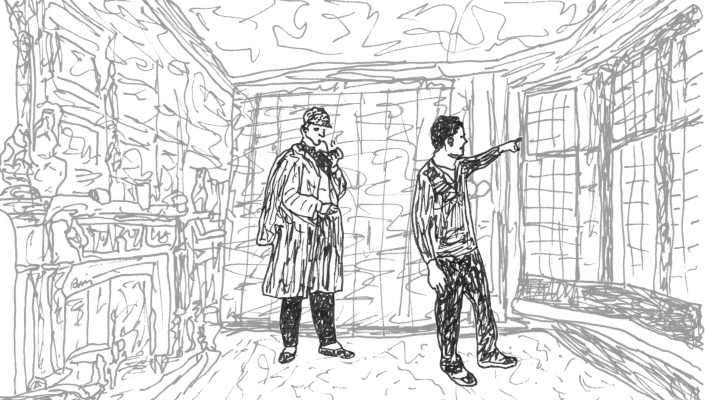 |
(Italiano) Helmut trova Heinz nella sua stanza, dove vede dalla finestra che Sir Robert di Baskerville discute con un servitore. Heinz racconta a Helmut le sue attività attuali e si scopre che i due formano una squadra perfetta. |
(Deutsch) Helmut findet Heinz in dessen Zimmer vor, wo er aus dem Fenster Sir Robert von Baskerville mit einem Hausangestellten diskutieren sieht. Heinz berichtet Helmut von seinen aktuellen Unternehmungen und es zeigt sich, dass die beiden ein perfektes Team sind. Normal Version | ||
Tag 16 1 Helmut: Heinz? Kommst du dann zum Abendbrot runter? Wow, dein Zimmer ist ja ganz aufgeräumt. |
Day 16 Helmut: Heinz? Are you coming down for dinner then? Wow, your room is all tidy. |
Jour 16 Helmut : Heinz ? Tu descends pour le dîner ? Wow, ta chambre est bien rangée. |
Giorno 16 Helmut: Heinz? Scendi a cena allora? Wow, la tua stanza è tutta in ordine. |
Día 16 Helmut: ¿Heinz? ¿Bajas a cenar entonces? Vaya, tu habitación está ordenada. |
2 Helmut: Sieht aus, als kriegt er eine Standpauke vom Chef zu hören. Tja, die Neuen stehen immer ganz unten auf der Hühnerleiter. |
Helmut: Looks like he's going to get a telling off from the boss. Well, the new guys are always at the bottom of the pecking order. |
Helmut : On dirait qu'il va se faire engueuler par le patron. Eh bien, les nouveaux sont toujours au bas de l'échelle des poulets. |
Helmut: Sembra che il capo lo rimproveri. Beh, i nuovi arrivati sono sempre in fondo alla scala dei polli. |
Helmut: Parece que va a recibir una bronca del jefe. Bueno, los nuevos siempre están al final de la escalera de los pollos. |
3 Heinz: Ich hab ja nichts von dem Ring erzählt. |
Heinz: I didn't tell him about the ring. |
Heinz : Je ne lui ai pas parlé de la bague. |
Heinz: Non gli ho detto dell'anello. |
Heinz: No le he hablado del anillo. |
4 Helmut: Aber das ist voll gelogen! Wir hatten mit der hypnotisierten Schwester gar nicht darüber gesprochen. |
Helmut: But that's a complete lie! We didn't even talk about it with the hypnotized sister. |
Helmut : Mais c'est un mensonge complet ! Nous n'en avons même pas parlé avec la sœur hypnotisée. |
Helmut: Ma è una completa bugia! Non ne abbiamo nemmeno parlato con la sorella ipnotizzata. |
Helmut: ¡Pero eso es una completa mentira! Ni siquiera hablamos de ello con la hermana hipnotizada. |
5 Helmut: Aber wie ...? |
Helmut: But how...? |
Helmut : Mais comment... ? |
Helmut: Ma come...? |
Helmut: ¿Pero cómo...? |
6 Helmut: Ach ja ... das. Äh, warum hat ihn das noch mal im Mark erschüttert? |
Helmut: Oh yes... that. Uh, why did that shake him to the core again? |
Helmut : Ah oui... ça. Euh, pourquoi ça l'a secoué jusqu'à la moelle encore ? |
Helmut: Oh sì... quello. Ehm, et perché l'abbiamo scosso? Ricordami solo. |
Helmut: Ah, sí, eso. Ehm, ¿y por qué eso le sacudió hasta la médula? Recuérdamelo. |
7 Heinz: Ich meine, sie hätten wenigstens ein bisschen kreativer mit dem Namen sein können. |
Heinz: I mean, they could have been more creative with the name. |
Heinz : Je veux dire qu'ils auraient au moins pu être un peu plus créatifs avec le nom. |
Heinz: Voglio dire, avrebbero potuto almeno essere un po' più creativi con il nome. |
Heinz: Quiero decir, al menos podrían haber sido un poco más creativos con el nombre. |
8 Heinz: Er macht sein Geld hauptsächlich mit seiner weltweiten Schiffsspedition. Im Moment recherchiere ich dazu ein bisschen. Daisy hat mir ein paar gute Tipps am Telefon gegeben. |
Heinz: He mainly makes his money with his worldwide shipping company. I'm doing a bit of research at the moment. Daisy gave me some good tips on the phone. |
Heinz : Il gagne principalement de l'argent avec son entreprise de transport maritime mondiale. Je fais quelques recherches en ce moment. Daisy m'a donné quelques bons conseils au téléphone. |
Heinz: Guadagna soprattutto con la sua società di spedizioni marittime operativa in tutto il mondo. Al momento sto facendo delle ricerche. Daisy mi ha dato degli ottimi consigli al telefono. |
Heinz: Gana dinero sobre todo con su empresa de transporte marítimo a nivel mundial. Ahora estoy investigando un poco. Daisy me dio buenos consejos por teléfono. |
(English) Fiona asks Fanni to analyze the video of the chicken that Heinz sent her. In the process, she gets to know the new studio of her friend, who has recently become interested in bones and questions of human evolution. |
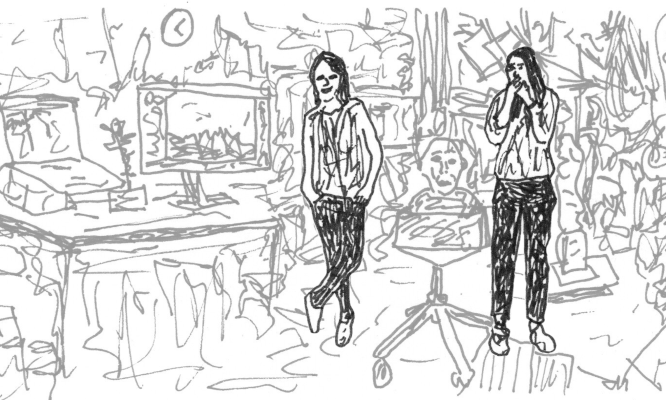 |
(Italiano) Fiona chiede a Fanni di analizzare il video del pollo che Heinz le ha inviato. Nel corso di questo processo, conosce il nuovo studio della sua amica, che di recente si è interessata alle ossa e alle questioni relative all'evoluzione umana. |
(Deutsch) Fiona bittet Fanni, das Video vom Huhn auszuwerten, das Heinz ihr geschickt hat. Dabei lernt sie das neue Arbeitszimmer ihrer Freundin kennen, die sich seit Neuestem für Knochen und für Fragen der menschlichen Evolution interessiert. Normal Version | ||
Tag 16 1 Fiona: Wow, das ist also dein neues Arbeitszimmer. Sieht aus wie eine Mischung aus Labor, Büro, Atelier und Marionettenlager. Moment mal, wo ist dein Bett geblieben? |
Day 16 Fiona: Wow, so this is your new workspace. It looks like a mixture of laboratory, office, studio and puppet warehouse. Wait a minute, where's your bed? |
Jour 16 Fiona : Wow, voici donc ta nouvelle salle de travail. On dirait un mélange de laboratoire, de bureau, d'atelier et d'entrepôt de marionnettes. Attends un peu, où est ton lit ? |
Giorno 16 Fiona : Wow, quindi questa è la tua nuova stanza di lavoro. Sembra un misto tra laboratorio, ufficio, studio e magazzino di marionette. Aspetta un attimo, dov'è il tuo letto? |
Día 16 Fiona: Vaya, así que ésta es tu nueva sala de trabajo. Parece una mezcla de laboratorio, oficina, estudio y almacén de marionetas. Un momento, ¿dónde está tu cama? |
2 Fiona: Kein Tratsch, bitte! Du weißt, wie ich das hasse! Und wo schläfst du jetzt? |
Fiona: No gossip, please! You know how much I hate that! And where are you sleeping now? |
Fiona : Pas de commérages, s'il te plaît ! Tu sais à quel point je déteste ça ! Et où est-ce que tu dors maintenant ? |
Fiona : Niente pettegolezzi, per favore! Sai quanto li odio! E dove dormi ora? |
Fiona: ¡Ni cotilleos ni nada, por favor! ¡Ya sabes cuánto odio eso! ¿Y dónde duermes ahora? |
3 Fiona: Aaaaaaaahhh!!! Au! |
Fiona: Aaaaaaaahhh!!! Ow! |
Fiona : Aaaaaaaahhh !!! Aïe ! |
Fiona : Aaaaaaaahhh!!! Ahi! |
Fiona: ¡¡¡Aaaaaahhh!!! ¡Ay! |
4 Fanni: Wir haben bis jetzt nur ein paar Knochen. Eine zuvor unbekannte Menschenart. Ist vor ein paar Jahren auf den Philippinen entdeckt worden. Kleinwüchsig, wahrscheinlich Inselverzwergung wie beim Hobbit aus Flores. |
Fanni: We've only got a few bones so far. A previously unknown species of human. It was discovered in the Philippines a couple of years ago. Small in stature, probably island dwarfism like the Hobbit from Flores. |
Fanni : Pour l'instant, nous n'avons que quelques os. Une espèce humaine inconnue auparavant. Elle a été découverte aux Philippines il y a quelques années. De petite taille, probablement un nanisme insulaire comme le hobbit de Flores. |
Fanni: Per ora abbiamo solo poche ossa. Una specie umana finora sconosciuta. È stata scoperta nelle Filippine un paio di anni fa. Di piccola statura, probabilmente si tratta di un nanismo insulare come l'Hobbit di Flores. |
Fanni: De momento solo tenemos unos pocos huesos. Una especie humana desconocida hasta ahora. Se descubrió en Filipinas hace un par de años. De pequeña estatura, probablemente enanismo insular como el Hobbit de Flores. |
5 Fiona: Knochen lesen, wow. Fernsehsender aus Norwegen. Seit dieser Fortbildung für Grafik-Design und Animation in Bild und Film bist du wie ausgewechselt. |
Fiona: Reading bones, wow. TV station in Norway. Since this training course in graphic design and animation in image and film, you've changed completely. |
Fiona : Lire les os, wow. Chaîne de télévision norvégienne. Depuis ce stage de graphisme et d'animation en image et en film, tu as complètement changé. |
Fiona : Leggere le ossa, wow. Canale televisivo norvegese. Dopo questo corso di formazione in grafica e animazione per immagini e film, sei cambiato completamente. |
Fiona: Leer huesos, vaya. Canal de TV de Noruega. Desde este curso de formación en diseño gráfico y animación para imágenes y películas, has cambiado completamente. |
6 Fanni: OK, danke. Flow. Beim Arbeiten spür ich einen Flow, vielleicht ist das so ähnlich. Ich bin dann gleichzeitig hochkonzentriert und tiefenentspannt, ganz komisch. Und was ist das für ein USB-Stick in deiner Hand? |
Fanni: OK, thanks. Flow. I feel a flow when I'm working, maybe it's something like that. Then I'm highly concentrated and deeply relaxed at the same time, it's quite odd. And what is that USB stick in your hand? |
Fanni : D'accord, merci. Flow. Moi, je ressens un flux quand je travaille, c'est peut-être quelque chose comme ça. Là, je suis très concentrée et profondément détendue en même temps, c'est assez étrange. Et qu'est-ce que c'est que cette clé USB dans ta main ? |
Fanni: Ok, grazie. Flow. Sento un flusso quando lavoro, forse è qualcosa di simile. In questi momenti sono molto concentrata e profondamente rilassata allo stesso tempo, è piuttosto strano. E cos'è quella chiavetta USB che hai in mano? |
Fanni: Vale, gracias. Flow. Siento un flujo cuando trabajo, quizá sea algo así. En esos momentos estoy muy concentrada y profundamente relajada al mismo tiempo, es bastante extraño. ¿Y qué es esa memoria USB que tienes en la mano? |
7 Fiona: Ach so, das ist ein Video, das Heinz mit einem Gruß geschickt hat. Er würde gern wissen, was du davon hältst. Sehr skurril, sag ich dir. |
Fiona: Oh, yeah, that's a video that Heinz sent with a greeting. He'd like to know what you think of it. Pretty bizarre, I tell you. |
Fiona : Ah oui, c'est une vidéo que Heinz a envoyée avec un salut. Il aimerait savoir ce que tu en penses. Très bizarre, je te le dis. |
Fiona : Oh, sì, è un video che Heinz ha inviato con un saluto. Vorrebbe sapere cosa ne pensi. Molto bizzarro, te lo dico io. |
Fiona: Ah, sí, es un vídeo que envió Heinz con un saludo. Le gustaría saber qué piensas de él. Muy raro, te lo aseguro. |
8 Fiona: Zwei große Bildschirme. Nicht schlecht. |
Fiona: Two big screens. Not bad. |
Fiona : Deux grands moniteurs. Pas mal. |
Fiona : Due grandi schermi. Non male. |
Fiona: Dos monitores grandes. No está mal. |
9 Fiona: Ein Huhn, das aus dem Moor steigt und in einem Busch verschwindet. Es geht noch weiter, Moment! |
Fiona: A chicken rising from the moor and disappearing into a bush. It goes on, wait! |
Fiona : Une poule qui sort du marais et disparaît dans un buisson. Ça continue, attends ! |
Fiona : Un pollo che emerge dalla palude e scompare in un cespuglio. Continua, aspetta! |
Fiona: Una gallina sale del pantano y desaparece en un arbusto. Sigue, ¡espera! |
10 Fanni: Heinz' Handykamera ist gut. Ich zoome mal hier rein. Aha! Hm-hm. |
Fanni: Heinz' cell phone camera is good. I'll go and zoom in here. Uh-huh! Hm-hm. |
Fanni : La caméra du téléphone portable de Heinz est bonne. Je vais zoomer ici. Aha ! Hm-hm. |
Fanni: La fotocamera del cellulare di Heinz è buona. Vado a fare uno zoom qui. Ah-ah! Hm-hm. |
Fanni: La cámara del móvil de Heinz es buena. Voy a hacer zoom aquí. Ajá. Hm-hm. |
11 Fanni: Ja klar, kein Problem, mach ich gerne. Gib mir Heinz' E-Mail-Adresse, dann schick ich es ihm direkt. Was diese beiden Jungs immer für Geschichten haben, ha ha. |
Fanni: Sure, no problem, I'll be happy to do it. Give me Heinz' e-mail address and I'll send it to him directly. The kind of stories these two boys always have, ha ha. |
Fanni : Bien sûr, pas de problème, je le fais volontiers. Donne-moi l'adresse e-mail de Heinz et je lui enverrai directement. Quelles histoires ils ont toujours, ces deux gars, ha ha. |
Fanni: Certo, nessun problema, sarò felice di farlo. Dammi l'indirizzo e-mail di Heinz e lo invierò direttamente a lui. Quante storie hanno sempre questi due ragazzi, ah ah. |
Fanni: Claro, no hay problema, lo haré encantada. Dame la dirección del correo de Heinz y se lo enviaré directamente. Qué historias traen siempre estos dos chicos, ja, ja. |
(English) Motivated by his friend's thirst for action, Helmut manages to put another piece of the puzzle in place. The method he uses is peculiar, but sufficiently successful, as Heinz finally has to admit, before they follow a surprising new clue. |
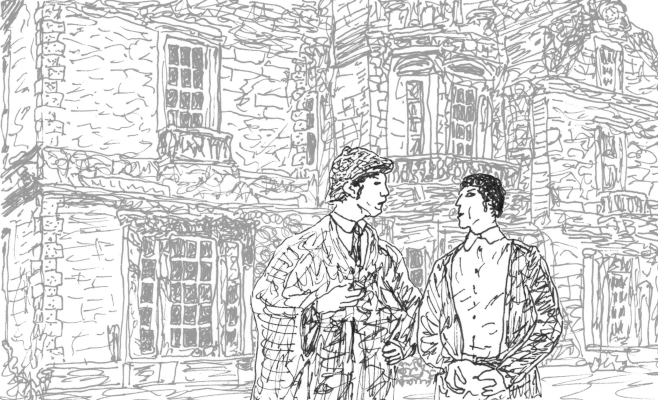 |
(Italiano) Motivato dalla sete di azione del suo amico, Helmut riesce a mettere a posto un altro pezzo del puzzle. Il metodo che utilizza è particolare, ma sufficientemente efficace, come Heinz deve finalmente ammettere, prima che i due seguano un sorprendente nuovo indizio. |
(Deutsch) Motiviert durch den Tatendrang seines Freundes gelingt es Helmut, ein weiteres Stück des Puzzles einzusetzen. Die Methode, die er verwendet, ist zwar eigentümlich, aber hinreichend erfolgreich, wie Heinz letztlich zugeben muss, bevor sie einem überraschenden neuen Hinweis folgen. Normal Version | ||
Ahornsirup Tag 17 1 Helmut: ♫ Heinzi-Peinzi! Ah, hier bist du. Was machst du draußen vor der Tür? Willst du wegfahren? |
Maple Syrup Day 17 Helmut: ♫ Heinzi-Peinzi! Ah, here you are. What are you doing outside the door? Do you want to drive away? |
Jour 17 Helmut : ♫ Heinzi-Peinzi ! Ah, te voilà. Qu'est-ce que tu fais dehors devant la porte ? Veux-tu partir en voiture ? |
Giorno 17 Helmut: ♫ Heinzi-Peinzi! Ah, eccoti qui. Cosa stai facendo fuori dalla porta? Vuoi fare un giro in macchina? |
Día 17 Helmut: ♫ ¡Heinzi-Peinzi! Ah, aquí estás. ¿Qué haces delante de la puerta? ¿Quieres dar una vuelta? |
2 Helmut: Und zwar habe ich unser Motto „Aufscheuchen und verwirren” auf den Butler angewendet. |
Helmut: Actually, I applied our motto "rouse and confuse" to the butler. |
Helmut : En fait, j'ai appliqué notre devise « effrayer et confondre » au majordome. |
Helmut: Ho infatti applicato al maggiordomo il nostro motto "spaventare e confondere". |
Helmut: Es que he aplicado nuestro lema "asustar y confundir" al mayordomo. |
3 Helmut: Na und! Anders hätte ich James nicht überführen können. Er ist nämlich unser gesuchter Kanadier. Aus Ottawa, genauer gesagt. |
Helmut: So what! I couldn't have traced James any other way. After all, he's our wanted Canadian. From Ottawa, to be precise. |
Helmut : Et alors ! Je n'aurais pas pu confondre James autrement. Après tout, c'est notre Canadien recherché. D'Ottawa, pour être précis. |
Helmut: E allora? Non avrei potuto rintracciare James in altro modo. Dopo tutto, è il nostro ricercato canadese. Di Ottawa, per la precisione. |
Helmut: ¡Y qué! No podría haber rastreado a James de otra forma. Al fin y al cabo, es nuestro canadiense buscado. De Ottawa, para ser exacto. |
4 Heinz: Hm. Gut. Ja, gut. Das war ein guter Schachzug von dir. Da haben wir äh ... viel Glück gehabt. |
Heinz: Hm. Good. Yes, good. That was a good move on your part. We were uh... very lucky. |
Heinz : Hm. Bien. Oui, bien. C'était un bon coup de ta part. Nous avons eu euh... beaucoup de chance. |
Heinz: Hm. Bene. Sì, bene. È stata una buona mossa da parte tua. Siamo stati ehm... molto fortunati. |
Heinz: Hm. Bien. Sí, bien. Ha sido un buen movimiento por tu parte. Tuvimos ehm... mucha suerte. |
5 Helmut: Mein Schuh!! Da, siehst du? Rechts im Bild. Poirot hat den schurkenhaften Schuhräuber gestellt, der uns letztens niedergeschlagen und gefesselt hat. Ha! Karma hat kurze Beine! |
Helmut: My shoe!! There, you see? On the right of the picture. Poirot has caught the sneaky shoe thief who knocked us down and tied us up the other day. Ha! Karma has short legs! |
Helmut : Ma chaussure !! Là, tu vois ? Sur la droite de l'image. Poirot a mis la main sur l'infâme voleur de chaussures qui nous a assommés et ligotés l'autre jour. Ha ! Le karma a de courtes jambes ! |
Helmut: La mia scarpa!! Lì, vedi? Sulla destra dell'immagine. Poirot ha catturato il vile ladro di scarpe che ci ha steso e legato l'altro giorno. Ha! Il karma ha le gambe corte! |
Helmut: ¡¡Mi zapato!! Ahí, ¿lo ves? A la derecha de la imagen. Poirot ha atrapado al infame ladrón de zapatos que nos derribó y ató el otro día. ¡Ja! ¡El karma tiene las piernas cortas! |
(English) Poirot has impressed the group with his lead and his work, but two days pass without anything happening. Fortunately, Helmut is there, because he effortlessly manages to provide both the detectives and the residents of the house with fresh energy. |
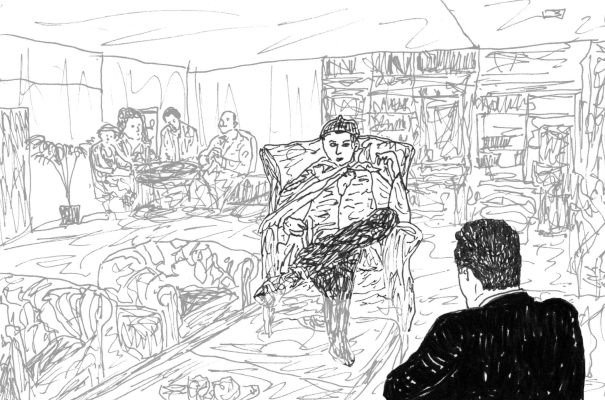 |
(Italiano) Poirot ha impressionato il gruppo con la sua guida e il suo lavoro, ma passano due giorni senza che accada nulla. È una fortuna che esista Helmut, perché riesce a infondere energia sia ai detective che agli abitanti della casa. |
(Deutsch) Poirot hat die Gruppe mit seiner Spur und seiner Arbeit zwar beeindruckt, doch vergehen zwei Tage, ohne dass sich etwas tut. Was für ein Glück also, dass es Helmut gibt, denn es gelingt ihm mühelos, die Detektive ebenso wie die Hausbewohner mit frischer Energie zu versorgen. Normal Version | ||
Tag 19 Heinz: Ich komm immer noch nicht darüber weg, dass du recht hattest. |
Day 19 Heinz: I still can't get over the fact that you were right. |
Jour 19 Heinz : Je n'arrive toujours pas à me remettre du fait que tu avais raison. |
Giorno 19 Heinz: Non riesco ancora a capacitarmi del fatto che avevi ragione. |
Día 19 Heinz: Todavía no me hago a la idea de que tenías razón. |
2 Heinz: Ich erinnere mich. Du hast das völlig zusammenhanglos und unbegründet gesagt. Du hast außerdem behauptet, dass das Huhn auf den Geruch deines Schuhs abgerichtet worden ist. |
Heinz: I remember. You said that in a completely incoherent and unfounded way. You also claimed that the chicken had been trained to smell your shoe. |
Heinz : Je m'en souviens. Tu as dit cela de façon complètement incohérente et sans fondement. Tu as aussi affirmé que la poule avait été dressée pour sentir l'odeur de ta chaussure. |
Heinz: Mi ricordo. L'hai detto così, a caso e senza senso. Hai anche affermato che il pollo era stato addestrato ad annusare la tua scarpa. |
Heinz: Lo recuerdo. Lo dijiste de forma totalmente incoherente e infundada. También afirmaste que el pollo había sido entrenado para oler tu zapato. |
3 Helmut: Zweihundert Pfund hat er auch noch eingesteckt. Dann hat er die Stiefel mitgenommen und selbst getragen. Siehste, ohne die Stiefel hätte Lionel nicht fliehen können! |
Helmut: He also pocketed two hundred pounds. Then he took the boots and wore them himself. You see, Lionel couldn't have escaped without the boots! |
Helmut : Il a aussi empoché deux cents livres. Ensuite, il a pris les bottes et les a portées lui-même. Tu vois, sans les bottes, Lionel n'aurait pas pu s'enfuir ! |
Helmut: Ha anche intascato duecento sterline. Poi ha preso gli stivali e li ha indossati lui stesso. Vedi, Lionel non sarebbe potuto scappare senza gli stivali! |
Helmut: También se embolsó doscientas libras. Luego cogió las botas y se las puso él mismo. Ya ves, Lionel no podría haber escapado sin las botas. |
4 Heinz: Aber was wollte er hier? Ich glaube ... |
Heinz: But what was he doing here? I think... |
Heinz : Mais que faisait-il ici ? Je crois... |
Heinz: Ma cosa ci faceva qui? Penso che... |
Heinz: ¿Pero qué hacía aquí? Creo... |
5 Heinz: Na gut, aber was bringt uns das? Er hat Bond nicht mal umgebracht. Der ist über seine eigenen Füße gestolpert, der Penner. |
Heinz: All right, but what good does that do us? He didn't even kill Bond. He tripped over his own feet, the jerk. |
Heinz : D'accord, mais à quoi cela nous sert-il ? Il n'a même pas tué Bond. Il a trébuché sur ses propres pieds, le crétin. |
Heinz: Va bene, ma a cosa ci serve? Non ha nemmeno ucciso Bond. È inciampato nei suoi stessi piedi, l'idiota. |
Heinz: De acuerdo, pero ¿de qué nos sirve eso? Ni siquiera mató a Bond. Tropezó con sus propios pies, el muy imbécil. |
6 Heinz: Sie kennen sich also wahrscheinlich aus dem Dartmoorgefängnis ... |
Heinz: So they probably know each other from Dartmoor Prison... |
Heinz : Donc ils se connaissent probablement de la prison de Dartmoor... |
Heinz: Quindi probabilmente si conoscevano dalla prigione di Dartmoor... |
Heinz: Así que probablemente se conozcan de la prisión de Dartmoor... |
7 Heinz: Die wissen überhaupt nichts von unseren Erfolgen. Du hast nicht zufällig irgendwas angestellt, oder? |
Heinz: But they don't know anything about our successes. You haven't messed up anything by any chance, have you? |
Heinz : Mais ils ne savent rien de nos succès. Tu n'aurais rien gâché par hasard, n'est-ce pas ? |
Heinz: Ma loro non sanno nulla dei nostri successi. Non è che per caso hai combinato qualche guaio? |
Heinz: Pero ellos no saben nada de nuestros éxitos. No habrás estropeado nada por casualidad, ¿verdad? |
8 Heinz: Und wann war das? |
Heinz: And when was that? |
Heinz : Et c'était quand ? |
Heinz: E quando è successo? |
Heinz: ¿Y cuándo fue eso? |
9 Heinz: Natürlich. Ah, kuck mal, wer wieder da ist und uns zum Abendessen ruft! |
Heinz: Of course. Ah, look who's back and calling us for dinner! |
Heinz : Bien sûr. Ah, regarde qui est de retour et qui nous appelle pour le dîner ! |
Heinz: Certo. Ah, guarda chi è tornato e ci chiama per la cena! |
Heinz: Por supuesto. Ah, ¡mira quién ha vuelto y nos llama para cenar! |
(English) The Boys roam Dartmoor to escape the bad mood in the house. Although this is undeniably Helmut's fault, Heinz finally has to realize that it is Helmut who is moving the case forward by solving several mysteries at the same time. |
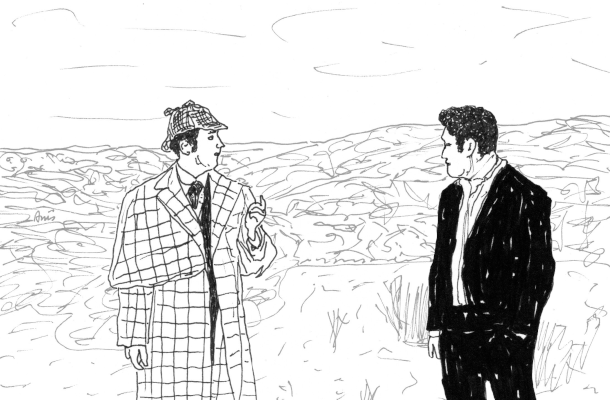 |
(Italiano) I Ragazzi vagano per Dartmoor per sfuggire alla cattiva atmosfera della casa. È innegabile che sia colpa di Helmut, ma alla fine Heinz deve rendersi conto che è Helmut a portare avanti il caso risolvendo diversi misteri allo stesso tempo. |
(Deutsch) Die Jungs durchstreifen das Dartmoor, um der schlechten Stimmung im Haus zu entkommen. Die ist zwar unbestreitbar Helmuts Schuld, aber Heinz muss schließlich einsehen, dass es Helmut ist, der den Fall im Moment voranbringt und gleich mehrere Rätsel löst. Normal Version | ||
Tag 20 1 Helmut: Wo rennst du überhaupt hin? |
Day 20 Helmut: Where are you heading anyway? |
Jour 20 Helmut : Où vas-tu d'ailleurs ? |
Giorno 20 Helmut: Ma dove stai correndo? |
Día 20 Helmut: ¿Pero adónde corres? |
2 Heinz: Kuck mal, wer uns da entgegenkommt. Kennen wir die nicht? |
Heinz: Oh, look who's coming towards us. Don't we know them? |
Heinz : Oh, regarde qui vient vers nous. On ne les connaît pas ? |
Heinz: Oh, guarda chi sta venendo verso di noi. Non li conosciamo? |
Heinz: Mira quién viene hacia nosotros. ¿No los conocemos? |
3 Heinz: Wahrscheinlich berufliches Interesse. Die wollen sich schon mal die Filmrechte sichern. |
Heinz: Probably professional interest. They want to secure the movie rights. |
Heinz : Probablement un intérêt professionnel. Ils veulent déjà s'assurer les droits du film. |
Heinz: Probabilmente è un interesse professionale. Vogliono già assicurarsi i diritti cinematografici. |
Heinz: Probablemente sea un interés profesional. Ya quieren asegurarse los derechos cinematográficos. |
4 Helmut: Als der Bulle da war. Äh, der Bobby. Ich hab ihn gefragt, warum Lionel erst am Freitag ausgebrochen ist, wenn sein Zellengenosse Simon schon am Dienstag entlassen wurde. |
Helmut: When the cop was there. Uh, the bobby. I asked him why Lionel only escaped on Friday when his cellmate Simon was released as early as Tuesday. |
Helmut : Quand le flic était là. Euh, le bobby. Je lui ai demandé pourquoi Lionel ne s'était évadé que le vendredi alors que son compagnon de cellule Simon avait été libéré dès le mardi. |
Helmut: Quando c'era lo sbirro. Ehm, il bobby. Gli ho chiesto perché Lionel è evaso solo venerdì quando il suo compagno di cella Simon era stato rilasciato già martedì. |
Helmut: Cuando el poli estaba allí. Er, el bobby. Le pregunté por qué Lionel no se escapó hasta el viernes, cuando su compañero de celda Simon ya había sido puesto en libertad el martes. |
5 Heinz: Simpleton? |
Heinz: Simpleton? |
Heinz : Simpleton ? |
Heinz: Simpleton? |
Heinz: ¿Simpleton? |
6 Heinz: Alter, Lionel hat in einer offenen Höhle gehaust und sich von Thunfisch aus der Dose und alten Rosinenbrötchen ernährt. Simon hätte sich um ihn gekümmert, wenn das Kumpel wären. |
Heinz: Dude, Lionel was living in an open cave, subsisting on canned tuna and old raisin buns. Simon would have taken care of him if they were buddies. |
Heinz : Mec, Lionel vivait dans une grotte ouverte et se nourrissait de thon en boîte et vieux pains aux raisins. Simon aurait pris soin de lui si c'était des copains. |
Heinz: Amico, Lionel viveva in una grotta all'aperto e si nutriva di tonno in scatola e di vecchi panini all'uvetta. Simon si sarebbe preso cura di lui se fossero stati amici. |
Heinz: Tío, Lionel vivía en una cueva al aire libre y se alimentaba de atún en lata y bollos de pasas viejos. Simon cuidaría de él si fueran colegas. |
7 Helmut: Sir Robert hat Geld, aber ich glaube nicht, dass er erpressbar ist. Scheint mir ein englischer Gentleman zu sein. |
Helmut: Sir Robert has money, but I don't think he can be blackmailed. Seems like an English gentleman to me. |
Helmut : Sir Robert a de l'argent, mais je ne pense pas qu'on puisse le faire chanter. Il me semble que c'est un gentleman anglais. |
Helmut: Sir Robert ha i sold,i ma non credo che possa essere ricattato. Mi sembra un gentiluomo inglese. |
Helmut: Sir Robert tiene dinero, pero no creo que se le pueda chantajear. A mí me parece un caballero inglés. |
8 Helmut: Jetzt reg dich nicht auf, Mann! Ich glaub übrigens, dass es Jane war, die uns aus dieser Einrichtung in San Francisco befreit hat. |
Helmut: Don't get worked up, man! By the way, I think it was Jane who got us out of that facility in San Francisco. |
Helmut : Ne t'énerve pas, mec ! Au fait, je crois que c'est Jane qui nous a fait sortir de cette institution à San Francisco. |
Helmut: Non ti agitare, amico! A proposito, credo che sia stata Jane a farci uscire da quella struttura a San Francisco. |
Helmut: ¡No te emociones, tío! Por cierto, creo que fue Jane quien nos sacó de aquella institución de San Francisco. |
9 Helmut: Kurz vor dem Mittagessen bin ich zu Seymour hin und hab ihn unbeirrt immer wieder gefragt, warum er, also Simon, nur zwei Jahre für den Mord an seinem Bruder bekommen hat. Da hat er mir empört alles erzählt. |
Helmut: Just before lunch, I went to Seymour and asked him again and again why he, Simon, only got two years for murdering his brother. At that, he told me everything indignantly. |
Helmut : Juste avant le déjeuner, je suis allé voir Seymour et je lui ai demandé encore et encore pourquoi lui, Simon, n'avait pris que deux ans pour le meurtre de son frère. Alors il m'a tout raconté avec indignation. |
Helmut: Poco prima di pranzo, sono andato da Seymour e gli ho chiesto più volte perché lui, Simon, avesse preso solo due anni per l'omicidio di suo fratello. Poi mi ha detto tutto con indignazione. |
Helmut: Justo antes de comer, fui a ver a Seymour y le pregunté una y otra vez por qué a él, Simon, solo le cayeron dos años por asesinar a su hermano. Pues me lo contó todo indignado. |
10 Helmut: Lass uns noch mal an die Steckdose aus der Bronzezeit gehen! Das können wir beide grad gut gebrauchen. Vielleicht sehen wir unsere putzigen Freunde wieder. |
Helmut: Let's go back to the Bronze Age power socket! We could both do with that right now. Maybe we'll see our cuddly friends again. |
Helmut : Revenons à la prise électrique de l'âge du bronze ! Nous en avons tous les deux bien besoin en ce moment. Peut-être que nous reverrons nos amis mignons. |
Helmut: Torniamo alla presa elettrica dell'Età del Bronzo! Ne avremmo bisogno entrambi in questo momento. Forse rivedremo i nostri amichetti. |
Helmut: ¡Volvamos al enchufe de la Edad de Bronce! A los dos nos vendría bien ahora mismo. Quizá volvamos a ver a nuestros amiguitos. |
(English) The Boys go on a second journey through time in the stone circle, but their expectations are not fulfilled at all. Everything has changed and this change does not make a good impression. The prehistoric humans take them to a place that will often appear in their dreams in the future. |
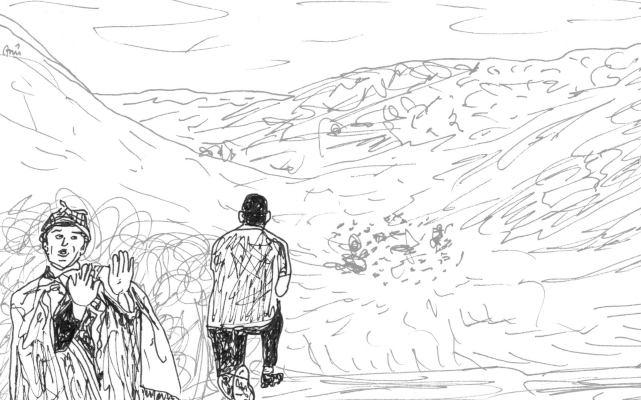 |
(Italiano) I Ragazzi fanno un secondo viaggio nel tempo nel cerchio di pietre, ma le loro aspettative non sono affatto soddisfatte. Tutto è cambiato e questo cambio non fa una buona impressione. Gli umani preistorici li portano in un luogo che apparirà spesso nei loro sogni in futuro. |
(Deutsch) Die Jungs machen eine zweite Zeitreise im Steinkreis, aber ihre Erwartungen erfüllen sich ganz und gar nicht. Alles ist anders und dieses Andere macht keinen guten Eindruck. Die Urmenschen nehmen sie mit an einen Ort, der den beiden noch oft im Traum erscheinen wird. Normal Version | ||
Tag 20 1 Heinz: Schluck |
Day 20 Heinz: Gulp |
Jour 20 Heinz : Gulp |
Giorno 20 Heinz: Gulp |
Día 20 Heinz: Gulp |
2 Helmut: Da fällt gleich eine Träne aus ihrem Auge. Hier, von der Frau! |
Helmut: A tear is about to fall from her eye. Here, from the woman! |
Helmut : Une larme est sur le point de couler de son œil. Ici, de la part de la femme ! |
Helmut: Una lacrima sta per cadere dal suo occhio. Ecco, dalla donna! |
Helmut: Una lágrima está a punto de caer de su ojo. Aquí, ¡de la mujer! |
3 Helmut: Cool. Oh, da fällt die Träne. Schlf |
Helmut: Cool. Oh, there goes the tear. Slp |
Helmut : Cool. Oh, voilà la larme qui coule. Srot |
Helmut: Forte. Oh, ecco, cade la lacrima. Sorp |
Helmut: Genial. Oh, ahí va la lágrima. Sorp |
4 Helmut: Sie merken, dass wir verwirrt sind. Und aufgescheucht. Da, kuck, ich glaub, Fred Feuerstein macht den anderen gerade einen Vorschlag. |
Helmut: They notice that we're confused. And roused. Look, I think Fred Flintstone is making a suggestion to the others. |
Helmut : Ils remarquent que nous sommes confus. Et effrayés. Tiens, regarde, je crois que Fred Pierrafeu est en train de faire une suggestion aux autres. |
Helmut: Si accorgono che siamo confusi. E spaventati. Guarda, credo che Fred Flintstone stia dando un suggerimento agli altri. |
Helmut: Se dan cuenta de que estamos confusos. Y asustados. Mira, creo que Pedro Picapiedra está haciendo una sugerencia a los demás. |
5 Heinz: (...) Was für eine trostlose Prozession! |
Heinz: (...) What a dreary procession! |
Heinz : (...) Quelle triste procession ! |
Heinz: (...) Che processione tetra! |
Heinz: (...) ¡Qué procesión más lúgubre! |
6 Helmut: Den großen Dicken mit der markanten Rückenbehaarung kann ich bis hier lachen hören. Widerlich! |
Helmut: I can hear the big guy with the distinctive dorsal hair laughing all the way here. Disgusting! |
Helmut : Je peux entendre le grand gros avec la pilosité dorsale marquante rire jusqu'ici. Dégoûtant ! |
Helmut: Riesco a sentire il grosso grasso con il caratteristico pelo dorsale che ride fin qui. Disgustoso! |
Helmut: Puedo oír al grandullón gordo con el característico pelo dorsal riéndose todo el camino hasta aquí. ¡Qué asco! |
7 Heinz: Psst, jetzt hast du die Mörderbande auf uns aufmerksam gemacht. Oh, verdammt! Lauf! |
Heinz: Shhh, now you've made the gang of murderers aware of us. Oh, damn it! Run! |
Heinz : Chut, maintenant tu as attiré l'attention de la bande d'assassins sur nous. Oh, zut ! Cours ! |
Heinz: Shhh, ora hai attirato l'attenzione della banda di assassini su di noi. Oh, dannazione! Corri! |
Heinz: Shhh, ahora has alertado a la banda de asesinos de nuestra presencia. ¡Maldita sea! ¡Corre! |
8 Heinz: Oh Scheiße, wir sind geliefert. Gleich kommen sie und entdecken uns. |
Heinz: Oh shit, we're screwed. They're about to come and discover us. |
Heinz : Oh merde, c'est terminé pour nous. Ils sont sur le point de nous découvrir. |
Heinz: Oh merda, siamo fregati. Stanno per venire a scoprirci. |
Heinz: Mierda, se acabó todo para nosotros. Están a punto de descubrirnos. |
9 Helmut: Naja, es passiert nix. Die müssten schon längst hier sein. Ich geh mal nachkucken. |
Helmut: Well, there's nothing happening. They should long since be here. I'll go and have a look. |
Helmut : Eh bien, il ne se passe rien. Ils devraient être là depuis longtemps. Je vais aller voir. |
Helmut: Beh, non sta succedendo nulla. Dovrebbero essere qui da tempo. Vado a dare un'occhiata. |
Helmut: Pues que no pasa nada. Hace tiempo que deberían estar aquí. Iré a echar un vistazo. |
(English) When the Boys return to Baskerville Hall, a lot has changed. Heinz senses that the situation is coming to a head, but even after a successful brainstorming session with Helmut, he is still missing the crucial piece of the puzzle. Which of them will find it, Holmes or Watson? |
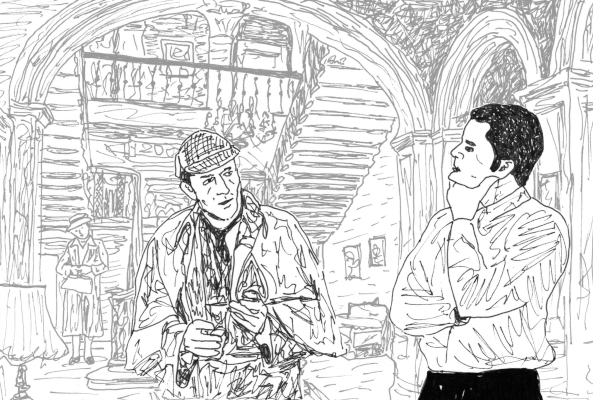 |
(Italiano) Quando i Ragazzi tornano a Baskerville Hall, molte cose sono cambiate. Heinz intuisce che la situazione sta per precipitare, ma anche dopo un'efficace sessione di brainstorming con Helmut, gli manca ancora il pezzo cruciale del puzzle. Chi di loro lo troverà, Holmes o Watson? |
(Deutsch) Als die Jungs nach Baskerville Hall zurückkehren, hat sich viel verändert. Heinz spürt, dass sich die Situation zuspitzt, doch fehlt ihm auch nach einem erfolgreichen Brainstorming mit Helmut immer noch das entscheidende Teil vom Puzzle. Wer von beiden wird es finden, Holmes oder Watson? Normal Version | ||
Tag 24 1 Heinz: Was für ein Erlebnis! Hey, ist dein Handy auch abgeschmiert? |
Day 24 Heinz: What an experience! Hey, did your cell phone crash too? |
Jour 24 Heinz : Quelle expérience ! Hey, ton téléphone a aussi planté ? |
Giorno 24 Heinz: Che esperienza! Ehi, anche il tuo cellulare è andato in crash? |
Día 24 Heinz: ¡Vaya experiencia! Oye, ¿también se te ha estropeado el móvil? |
2 Heinz: Was zum ...? |
Heinz: What the...? |
Heinz : Qu'est... ? |
Heinz: Ma che...? |
Heinz: ¿Qué...? |
3 Heinz: (...) Recherchen? Das ist deine Ausrede für vier Tage ohne Lebenszeichen? |
Heinz: (...) Research? That's your excuse for four days without a sign of life? |
Heinz : (...) Des recherches ? C'est ça ton excuse pour quatre jours sans signe de vie ? |
Heinz: (...) Ricerca? È questa la tua scusa per quattro giorni senza segni di vita? |
Heinz: (...) ¿Investigación? ¿Esa es tu excusa para cuatro días sin dar señales de vida? |
4 Heinz: Wir sind zwei Stunden weniger als vier Tage zurückgekommen, also haben wir im Grunde zwei Stunden gewonnen. |
Heinz: We came back two hours less than four days, so we basically gained two hours. |
Heinz : Nous sommes rentrés deux heures de moins que quatre jours, donc en gros nous avons gagné deux heures. |
Heinz: Siamo tornati due ore in meno di quattro giorni, quindi in pratica abbiamo guadagnato due ore. |
Heinz: Hemos vuelto dos horas menos que cuatro días, así que básicamente hemos ganado dos horas. |
5 Heinz: Ja, aber wie kann sie eine Nachricht geschrieben haben, wenn sie gar nicht da war? Dass sie sie vorher geschrieben hat und jemand anderes sie auf Columbos Frühstückstablett gelegt hat, ist doch überhaupt nicht schlüssig! Wer soll das gewesen sein? Und warum? |
Heinz: Yes, but how can she have written a message if she wasn't even there? The fact that she wrote it beforehand and someone else put it on Columbo's breakfast tray doesn't make sense at all! Who would that have been? And why? |
Heinz : Oui, mais comment peut-elle avoir écrit un message si elle n'était même pas là ? Le fait qu'elle l'ait écrit avant et que quelqu'un d'autre l'ait mis sur le plateau du petit déjeuner de Columbo n'a aucun sens ! Qui aurait pu faire ça ? Et pourquoi ? |
Heinz: Sì, ma come può aver scritto un messaggio se non era presente? La possibilità che l'abbia scritto prima e che qualcun altro l'abbia messo sul vassoio della colazione di Colombo non è affatto probante! Chi sarebbe stato? E perché? |
Heinz: Sí, pero ¿cómo pudo escribir un mensaje si ni siquiera estaba presente? La posibilidad de que lo escribiera antes y otra persona lo pusiera en la bandeja del desayuno de Columbo no tiene ningún sentido. ¿Quién lo habría hecho? ¿Y por qué? |
6 Heinz: Eigentlich dachte ich ja, dass Simon der Taxifahrer war, der Miss Marple am ersten Tag hergebracht hat. Das hätte Sinn ergeben, wenn er der Steuermann dieses Roboterhuhns ist. Aber Miss Marple hat ihn hier im Haus gesehen und nicht wiedererkannt. |
Heinz: Originally I thought that Simon was the cab driver who brought Miss Marple here on the first day. That would have made sense if he is the pilot of this robot chicken. But Miss Marple saw him here in the house and didn't recognize him. |
Heinz : Au départ, je pensais que Simon était le chauffeur de taxi qui avait amené Miss Marple ici le premier jour. Cela aurait été logique s'il est le pilote de ce poulet robot. Mais Miss Marple l'a vu ici dans la maison et ne l'a pas reconnu. |
Heinz: Inizialmente pensavo che Simon fosse il tassista che ha portato qui Miss Marple il primo giorno. Avrebbe avuto senso se è lui il pilota di questo pollo robot. Ma Miss Marple lo ha visto qui in casa e non lo ha riconosciuto. |
Heinz: Al principio pensé que Simon era el taxista que trajo aquí a Miss Marple el primer día. Eso habría tenido sentido si él es el piloto de este pollo robot. Pero Miss Marple le vio aquí en la casa y no le reconoció. |
7 Helmut: Aha! Sehr gut. Weil ICH ihn zur Rede gestellt hab! Sonst hätten wir das nie erfahren. |
Helmut: Ah! Very good. Because I confronted him! Otherwise we would never have found out. |
Helmut : Ah ! Très bien. Parce que c'est MOI qui l'ai confronté ! Sinon, nous ne l'aurions jamais su. |
Helmut: Ah! Molto bene. Perché sono stato IO ad affrontarlo! Altrimenti non l'avremmo mai saputo. |
Helmut: ¡Ajá! Muy bien. ¡Porque fui YO quien se enfrentó a él! Si no, nunca lo habríamos sabido. |
8 Helmut: Du meinst, Simon ist ein Gamer? |
Helmut: You mean Simon is a gamer? |
Helmut : Tu veux dire que Simon est un gamer ? |
Helmut: Vuoi dire che Simon è un giocatore? |
Helmut: ¿Quieres decir que Simon es un jugador? |
9 Helmut: Woher weißt du das? |
Helmut: How do you know that? |
Helmut : Comment sais-tu cela ? |
Helmut: Come fai a saperlo? |
Helmut: ¿Cómo lo sabes? |
10 Helmut: Ha! Komm, wir schaffen das! |
Helmut: Ha! Come on, we can handle this! |
Helmut : Ha ! Allez, on va y arriver ! |
Helmut: Ha! Dai, possiamo farcela! |
Helmut: ¡Ja! Vamos, ¡podemos hacerlo! |
(English) It really isn't easy to say which of the two is the main contributor, but the Boys find the solution together. The catch, however, is that it may already be too late to prevent another tragedy. |
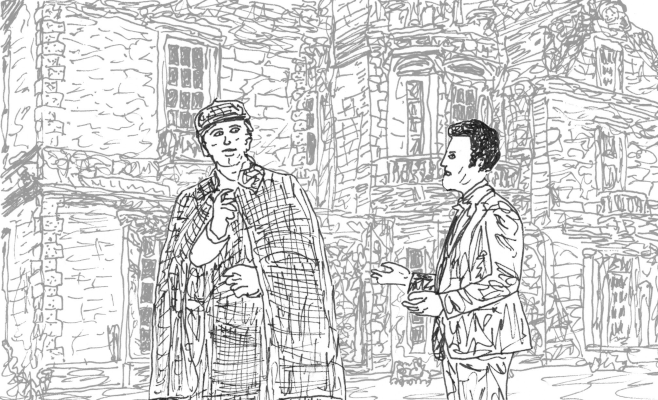 |
(Italiano) Davvero non è facile stabilire chi dei due sia il principale responsabile, ma i Ragazzi trovano la soluzione insieme. Il problema, però, è che potrebbe essere già troppo tardi per evitare un'altra tragedia. |
(Deutsch) Es ist wirklich nicht leicht zu sagen, wer von den beiden den Hauptanteil trägt, jedenfalls finden die Jungs gemeinsam zur Lösung. Der Haken an der Sache ist allerdings, dass es bereits zu spät sein könnte, um eine weitere Tragödie zu verhindern. Normal Version | ||
Tag 24 1 Heinz: Ich hab's! Helmut! Ah, hallo Miss Marple, hübsches Kleid. |
Day 24 Heinz: I've got it! Helmut! Ah, hello Miss Marple, pretty dress. |
Jour 24 Heinz : Je l'ai ! Helmut ! Ah, bonjour Miss Marple, jolie robe. |
Giorno 24 Heinz: Ce l'ho! Helmut! Ah, salve Miss Marple, bel vestito. |
Día 24 Heinz: ¡Lo tengo! ¡Helmut! Ah, hola Miss Marple, bonito vestido. |
2 Helmut: Wow, du bist ja ganz aufgewühlt! Du hast das Rätsel fast gelöst. |
Helmut: Wow, you're all worked up! You've almost solved the mystery. |
Helmut : Wow, tu es tout ému ! Tu as presque résolu le mystère. |
Helmut: Wow, sei davvero sconvolto! Hai quasi risolto il mistero. |
Helmut: ¡Vaya, estás muy alterado! Casi has resuelto el misterio. |
3 Heinz: Egal jetzt, hör zu: Das Buch handelt von Schmugglern. Die haben Welse und Thunfische und so als Roboter gebaut und damit Drogen geschmuggelt. |
Heinz: Never mind now, listen: the book is about smugglers. They built catfish and tuna and stuff as robots and used them to smuggle drugs. |
Heinz : Peu importe maintenant, écoute : le livre parle de contrebandiers. Ils construisaient des poissons-chats, des thons et d'autres choses comme des robots et les utilisaient pour passer de la drogue. |
Heinz: Non importa ora, ascolta: il libro parla di contrabbandieri. Costruivano pesci gatto, tonni e altre cose come robot e li usavano per contrabbandare droga. |
Heinz: No importa ahora, escucha: el libro trata de contrabandistas. Construían peces gato, atunes y cosas así como robots y los utilizaban para pasar droga de contrabando. |
4 Heinz: Wenn Simon so ein Huhn bauen kann, kann er auch einen Wels bauen. Die haben sich vielleicht von dem Krimi inspirieren lassen. Das große Geld hat Baskerville jedenfalls erst vor ungefähr zehn Jahren gemacht. Er transportiert Waren über Flüsse und Meere, wenn du dich erinnerst. |
Heinz: If Simon can build a chicken like that, he can also build a catfish. They may have been inspired by the detective story. In any case, Baskerville only started making big money about ten years ago. He transports goods across rivers and seas, if you remember. |
Heinz : Si Simon peut construire une poule comme ça, il peut aussi construire un poisson-chat. Ils se sont peut-être inspirés du roman policier. En tout cas, Baskerville n'a fait de gros profits qu'il y a environ dix ans. Il transporte des marchandises à travers les rivières et les mers, si tu te souviens bien. |
Heinz: Se Simon può costruire un pollo così, può anche costruire un pesce gatto. Forse si sono ispirati al giallo. In ogni caso, Baskerville ha realizzato un grande profitto solo una decina di anni fa. Trasporta merci attraverso fiumi e mari, se ricordi. |
Heinz: Si Simon puede construir un pollo así, también puede construir un siluro. Puede que se hayan inspirado en la novela policíaca. En cualquier caso, Baskerville solo obtuvo grandes beneficios hace unos diez años. Transporta mercancías por ríos y por mar, si recuerdas. |
5 Heinz: Jetzt müssen wir nur noch rausfinden ... |
Heinz: Now we just have to find out... |
Heinz : Il ne nous reste plus qu'à découvrir... |
Heinz: Ora non ci resta che scoprire... |
Heinz: Ahora solo tenemos que averiguar... |
6 Helmut: Oh. Ein Gefühl von Befriedigung. Es hat gerade richtig Klick gemacht bei dir, stimmt's? |
Helmut: Oh. A feeling of satisfaction. It just really clicked for you, didn't it? |
Helmut : Un sentiment de satisfaction tiens. Tu as vraiment eu le déclic, n'est-ce pas ? |
Helmut: Oh. Una sensazione di soddisfazione. È scattata la molla per te, vero? |
Helmut: Oh. Una sensación de satisfacción. Te acaba de hacer clic, ¿verdad? |
7 Helmut: Erklärst du mir jetzt endlich, was los ist? |
Helmut: Will you finally explain to me what's going on? |
Helmut : Vas-tu enfin m'expliquer ce qui se passe ? |
Helmut: Mi spieghi finalmente cosa sta succedendo? |
Helmut: ¿Me vas a explicar de una vez qué está pasando? |
8 Helmut: Du meinst, ob es ausreicht, um Sir Robert zu belasten? Aber wieso ...? |
Helmut: You mean, if it was enough to incriminate Sir Robert? But why...? |
Helmut : Tu veux dire, si c'était suffisant pour incriminer Sir Robert ? Mais pourquoi... ? |
Helmut: Vuoi dire se era sufficiente per incriminare Sir Robert? Ma perché...? |
Helmut: ¿Quieres decir si era suficiente para incriminar a Sir Robert? Pero, ¿por qué...? |
(English) Readers of the Boys' stories are used to mystery abilities by now, but they still come as a bit of a surprise every time. And this time especially, because Helmut got the right ability at the right moment. |
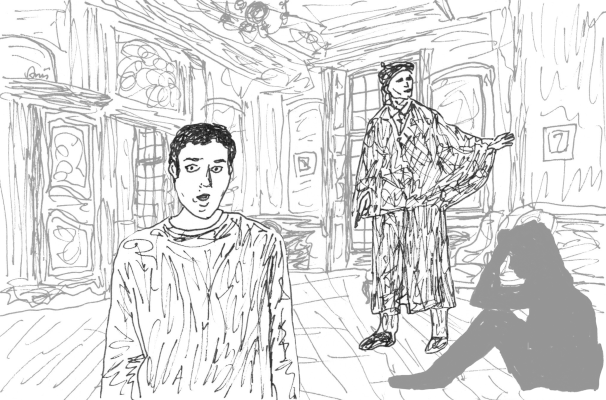 |
(Italiano) I lettori delle storie dei Ragazzi sono ormai abituati agli poteri del mistero, ma ogni volta sono comunque un po' una sorpresa. E questa volta è ancora più sorprendente, perché Helmut ha ottenuto il potere giusto al momento giusto. |
(Deutsch) An Mystery-Fähigkeiten sind die Leser der Jungs-Geschichten inzwischen hinreichend gewöhnt, ein bisschen überraschend kommen sie aber dennoch jedes Mal. Und dieses Mal besonders, denn Helmut hat die richtige Fähigkeit im richtigen Moment bekommen. Normal Version | ||
Tag 24 1 Helmut: Elsa? |
Day 24 Helmut: Elsa? |
Jour 24 Helmut : Elsa ? |
Giorno 24 Helmut: Elsa? |
Día 24 Helmut: ¿Elsa? |
2 Heinz: Ey, woher weißt du das alles? Das gibt's doch gar nicht. |
Heinz: Hey, how do you know all this? How is that even possible? |
Heinz : Hé, comment sais-tu tout cela ? Comment est-ce possible ? |
Heinz: Ehi, come fai a sapere tutto questo? Com'è possibile? |
Heinz: ¿Cómo sabes todo esto? ¿Cómo es posible? |
3 Heinz: Was denn auspackt? So sprechen sie doch, Elsa! (...) Aha, ach so. |
Heinz: Which whistle? Please speak, Elsa! (...) Ah, I see. |
Heinz : Le dénonçait comment ? Parlez, s'il vous plaît, Elsa ! (...) Ah oui, je vois. |
Heinz: Denunciare come? Per favore, parli, Elsa! (...) Oh sì, capisco. |
Heinz: ¿Delatar cómo? Por favor, habla, Elsa. (...) Ah, sí, ya veo. |
4 Heinz: Dann kam Columbo zufällig dazu. Er konnte Elsa nicht mehr sehen, aber den abgerissenen Zettel. |
Heinz: Then Columbo arrived by chance. He couldn't see Elsa any more, but he could see the torn-off note. |
Heinz : C'est alors que Columbo est arrivé par hasard. Il ne pouvait plus voir Elsa, mais il pouvait voir le papier arraché. |
Heinz: Poi Colombo arrivò per caso. Non poteva più vedere Elsa, ma poteva vedere il biglietto strappato. |
Heinz: Entonces llegó Columbo por casualidad. Ya no podía ver a Elsa, pero sí la nota arrancada. |
5 Helmut: Aber was will Sir Robert jetzt machen? Miss Marple ohne Zeugen selbst umbringen? Das ist doch viel zu auffällig! Wen rufst du an? |
Helmut: But what does Sir Robert want to do now? Kill Miss Marple himself without witnesses? That's far too conspicuous! Who are you calling? |
Helmut : Mais que veut faire Sir Robert maintenant ? Tuer Miss Marple lui-même sans témoin ? C'est beaucoup trop voyant ! Qui appelles-tu ? |
Helmut: Ma cosa vuole fare ora Sir Robert? Uccidere Miss Marple lui stesso senza testimoni? Darebbe troppo nell'occhio! Chi stai chiamando? |
Helmut: ¿Pero qué quiere hacer ahora Sir Robert? ¿Matar él mismo a Miss Marple sin testigos? ¡Eso es demasiado llamativo! ¿A quién llamas? |
6 Heinz: So, erledigt. Ich schreib's ihm noch mal als Text, mehr können wir nicht machen. |
Heinz: Right, done. I'll write it to him again as a text, that's all we can do. |
Heinz : Voilà, c'est fait. Je vais le lui réécrire sous forme de texte, c'est tout ce que nous pouvons faire. |
Heinz: Ecco, fatto. Glielo scriverò di nuovo come messaggio, non possiamo fare altro. |
Heinz: Ya está, hecho. Se lo volveré a escribir como texto, es todo lo que podemos hacer. |
7 Heinz: Ey, du hast nicht mal das blöde Fischbuch gelesen! Du Eimer! |
Heinz: Hey, you haven't even read the stupid fish book! You bucket! |
Heinz : Hé, tu n'as même pas lu ce stupide livre sur les poissons ! Espèce de seau ! |
Heinz: Ehi, non hai nemmeno letto quello stupido libro di pesci! Sei un secchio! |
Heinz: ¡Oye, ni siquiera has leído el estúpido libro de los peces! ¡Cubo! |
8 Helmut: Sei mal gerade still! Ich hab Empfang. Miss Marple geht es gut und Sir Robert will sie nicht mehr umbringen. |
Helmut: Shut up a minute! I've got a signal. Miss Marple is fine and Sir Robert doesn't want to kill her anymore. |
Helmut : Tais-toi un peu ! J'ai un signal. Miss Marple va bien et Sir Robert ne veut plus la tuer. |
Helmut: Zitto! Ho ricevuto un segnale. Miss Marple sta bene e Sir Robert non vuole più ucciderla. |
Helmut: ¡Cállate un momento! Tengo una señal. Miss Marple está bien y Sir Robert ya no quiere matarla. |
(English) Once again, the two have managed to solve a tricky case. With a good feeling in their hearts and a big chunk of a reward in sight, the Boys are already on their way back to Germany. |
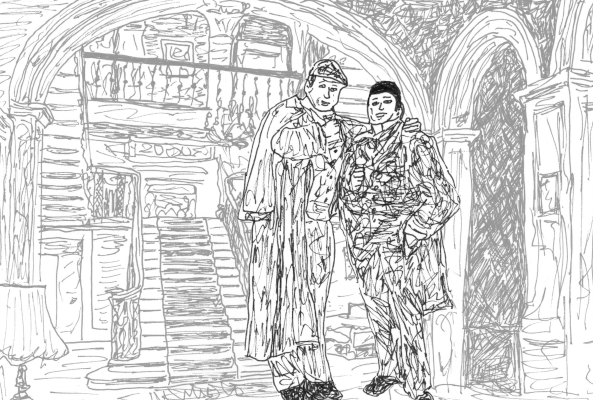 |
(Italiano) Ancora una volta, i due sono riusciti a risolvere un caso difficile. Con una bella sensazione nel cuore e una grande ricompensa in vista, i Ragazzi stanno già tornando in Germania. |
(Deutsch) Schon wieder ist es den beiden gelungen, einen kniffligen Fall zu lösen. Mit einem guten Gefühl im Herzen und einem großen Batzen von einer Belohnung in Aussicht befinden sich die Jungs bereits auf der Rückreise nach Deutschland. Normal Version | ||
Tag 26 1 Helmut: So, Watsi-Potsi, diesen Fall hätten wir gelöst. |
Day 26 Helmut: Well, Watsi-Potsi, we've solved that case. |
Jour 26 Helmut : Eh bien, Watsi-Potsi, nous avons résolu ce cas. |
Giorno 26 Helmut: Bene, Watsi-Potsi, abbiamo risolto il caso. |
Día 26 Helmut: Bueno, Watsi-Potsi, hemos resuelto ese caso. |
2 Heinz: Ach, wie schade. |
Heinz: Oh, what a shame. |
Heinz : Oh, quel dommage ! |
Heinz: Oh, che peccato. |
Heinz: Qué pena. |
3 Helmut: Und hörst du jetzt auf? |
Helmut: And are you stopping now? |
Helmut : Et tu t'arrêtes maintenant ? |
Helmut: E hai intenzione di smettere ora? |
Helmut: ¿Y vas a parar ahora? |
4 Helmut: Sir Robert hat die ganze Sache ein halbes Jahr lang minutiös geplant. Hast du gehört, was er mir nachgerufen hat, als die Polizei ihn mitgenommen hat? |
Helmut: Sir Robert had the whole thing meticulously planned for six months. Did you hear what he shouted at me when the police took him away? |
Helmut : Sir Robert avait tout planifié méticuleusement depuis six mois. As-tu entendu ce qu'il a crié après moi quand la police l'a emmené ? |
Helmut: Sir Robert aveva pianificato tutto meticolosamente per sei mesi. Hai sentito cosa mi ha gridato quando la polizia lo ha portato via? |
Helmut: Sir Robert lo había planeado todo meticulosamente durante seis meses. ¿Oíste lo que me gritó cuando se lo llevó la policía? |
5 Helmut: Die Jungs! Yeah. Shelmut & Hoims. |
Helmut: The Boys! Yeah. Shelmut & Hoims. |
Helmut : Les Gars ! Ouais. Shelmut & Hoims. |
Helmut: I ragazzi! Sì. Shelmut & Hoims. |
Helmut: ¡Los chicos! Sí. Shelmut & Hoims. |
6 Heinz: So eine Art Polizeichef des Bezirks. Er hat den Vertrag seinem Anwalt gezeigt und der sagt, dass er rechtsgültig ist. Sam, also der Chief Constable, will sich außerdem persönlich dafür einsetzen, dass wir unsere vertraglich zugesicherte Belohnung kriegen, bevor Sir Roberts ganzes Vermögen zermatscht wird. |
Heinz: Some kind of police chief for the district. He showed the contract to his lawyer who says it's legally valid. Sam, that's the Chief Constable, also wants to personally ensure that we get our contractually agreed reward before Sir Robert's entire fortune is squashed. |
Heinz : Une sorte de chef de la police du district. Il a montré le contrat à son avocat qui dit qu'il est légalement valable. Sam, c'est-à-dire le chef de la police, veut aussi s'assurer personnellement que nous recevons la récompense convenue dans le contrat avant que toute la fortune de Sir Robert ne soit écrasée. |
Heinz: Una specie di capo della polizia del distretto. Ha mostrato il contratto al suo avvocato che dice che è legalmente valido. Sam, cioè il capo della polizia, vuole anche assicurarsi personalmente che otteniamo la ricompensa prevista dal contratto prima che l'intera fortuna di Sir Robert venga spazzata via. |
Heinz: Una especie de jefe de policía del distrito. Le enseñó el contrato a su abogado, que dice que es legalmente válido. Sam, es decir el jefe de policía, también quiere asegurarse personalmente de que obtengamos la recompensa acordada por contrato antes de que toda la fortuna de Sir Robert se esfume. |
7 Helmut: Ach so. Apropos zu Hause überraschen: Ich habe vor, dich zu Hause zu überraschen. Morgen. |
Helmut: I see. Speaking of surprising you at home: I'm planning to surprise you at home. Tomorrow. |
Helmut : Ah bon. En parlant de surprise à la maison : J'ai l'intention de te faire une surprise à la maison. Demain. |
Helmut: Capisco. A proposito di sorprese a casa: Ho intenzione di farti una sorpresa a casa. Domani. |
Helmut: Ya veo. Hablando de sorpresas en casa: Voy a darte una sorpresa en casa. Mañana. |
8 Helmut: Sir Robert hat ihn erst mal in die Werkstatt und zum Arzt geschickt. |
Helmut: Sir Robert sent him to the garage and to the doctor straight away. |
Helmut : Sir Robert l'a tout de suite envoyé au garage et chez le médecin. |
Helmut: Sir Robert lo ha mandato subito in autofficina e dal medico. |
Helmut: Sir Robert le envió enseguida al taller y al médico. |
9 Heinz: Dieser englische Gentleman hat seinen Kompagnon ganz schön reingeritten. |
Heinz: This English gentleman gave his partner quite a hard time. |
Heinz : Ce gentleman anglais a bien fichu son compagnon dans le pétrin. |
Heinz: Questo gentiluomo inglese ha dato del filo da torcere al suo partner. |
Heinz: Este caballero inglés se lo hizo pasar bastante mal a su compañero. |
10 Helmut: Das Huhn lag im Kofferraum. Das Reservehuhn, sozusagen. Wahrscheinlich wollten sie die arme Miss Marple irgendwo vor Zeugen mit dem Huhn umbringen. Voll riskant. |
Helmut: The chicken was in the trunk. The spare chicken, so to speak. They probably wanted to kill poor Miss Marple with the chicken somewhere in front of witnesses. Very risky. |
Helmut : La poule était dans le coffre. La poule de réserve, pour ainsi dire. Ils voulaient probablement tuer la pauvre Miss Marple avec la poule quelque part devant des témoins. C'est très risqué. |
Helmut: Il pollo era nel bagagliaio. Il pollo di riserva, per così dire. Probabilmente volevano uccidere la povera Miss Marple con il pollo da qualche parte davanti ai testimoni. Molto rischioso. |
Helmut: La gallina estaba en el maletero. La gallina de repuesto, por así decirlo. Probablemente querían matar a la pobre Miss Marple con el pollo en algún lugar delante de testigos. Muy arriesgado. |
(English) A dream comes true for Heinz and Helmut has made it possible. They have deserved it, this beautiful hot air balloon ride at the end of their both exhausting and successful hunt for the legendary Chicken of the Baskervilles. |
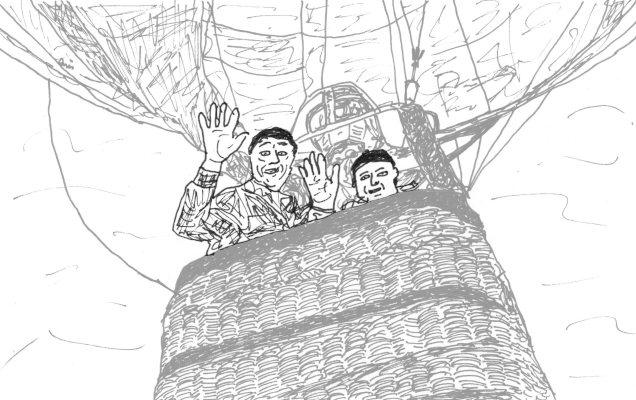 |
(Italiano) Un sogno che si realizza per Heinz e che Helmut ha reso possibile. Se lo sono meritato, questo meraviglioso giro in mongolfiera al termine della loro caccia tanto estenuante quanto fruttuosa al leggendario Pollo dei Baskerville. |
(Deutsch) Ein Traum geht für Heinz in Erfüllung und Helmut hat das ermöglicht. Sie ist den beiden zu gönnen, diese schöne Fahrt im Heißluftballon, am Ende ihrer ebenso strapaziösen wie erfolgreichen Jagd auf das legendäre Huhn von Baskerville. Normal Version | ||
Im Ballon Tag 27 1 Heinz: Kann ich jetzt die Augenbinde wieder abnehmen? |
Day 27 Heinz: Can I take the blindfold off now? |
Jour 27 Heinz : Je peux enlever le bandeau maintenant ? |
Giorno 27 Heinz: Posso togliere la benda ora? |
En el Globo Día 27 Heinz: ¿Puedo quitarme ya la venda de los ojos? |
2 Heinz: Der Hammer! Und alles schon vorbereitet. |
Heinz: Awesome! And everything is already prepared. |
Heinz : Génial ! Et tout est déjà prêt. |
Heinz: Bomba! E tutto è già pronto. |
Heinz: ¡La bomba! Y ya está todo preparado. |
3 Heinz: Aber ich seh hier sonst niemanden. Niente Fahrer! |
Heinz: But I don't see anyone else here. Niente driver! |
Heinz : Mais je ne vois personne d'autre ici. Niente chauffeur ! |
Heinz: Ma non vedo nessun altro qui. Niente conducente! |
Heinz: Pero no veo a nadie más aquí. ¡Niente conductor! |
4 Heinz: Vielleicht ist es besser, wenn wir warten. |
Heinz: Maybe it's better if we wait. |
Heinz : Il vaut peut-être mieux attendre. |
Heinz: Forse è meglio aspettare. |
Heinz: Quizá sea mejor que esperemos. |
5 Heinz: Ziehst du mich mal rein? Ja, so. Plonk! Aua. OK, ich bin drin. Was sagst du? Oh. Fumm schschschsch |
Heinz: Can you pull me in? Yeah, like this. Plonk! Ouch. OK, I'm inside. What did you say? Oh. Fumm shshshshsh |
Heinz : Tu peux me fais rentrer ? Oui, comme ça. Plonc ! Aïe. OK, je suis à l'intérieur. Qu'est-ce que tu as dit ? Oh. Foumm chchchchch |
Heinz: Puoi tirarmi dentro? Sì, così. Plonc! Ahi. Ok, sono dentro. Che cosa hai detto? Oh. Fumm shshshsh |
Heinz: ¿Puedes tirar de mí? Sí, así. ¡Plonc! ¡Ay! Vale, ya estoy dentro. ¿Qué has dicho? Oh. Fumm shshshshsh |
6 Helmut: Der Ballon fängt an, sich zu heben. Wo bleibt Sabine bloß? |
Helmut: The balloon is starting to lift. Where's Sabine? |
Helmut : Le ballon commence à se soulever. Où est Sabine ? |
Helmut: La mongolfiera inizia a sollevarsi. Dov'è Sabine? |
Helmut: El globo está empezando a elevarse. ¿Dónde está Sabine? |
7 Heinz: Das ist jetzt nicht dein Ernst, oder? Du hast gesagt, dass nichts passieren kann. |
Heinz: You're not serious, are you? You said nothing could happen. |
Heinz : Tu n'es pas sérieux, n'est-ce pas ? Tu as dit que rien ne pouvait arriver. |
Heinz: Non dirai sul serio, vero? Hai detto che non può succedere nulla. |
Heinz: No hablas en serio, ¿verdad? Dijiste que no podía pasar nada. |
8 Heinz: Zumindest wissen wir jetzt, dass man keine Sandsäcke braucht, um abzuheben. Ist ja auch ziemlich gefährlich, genau betrachtet. |
Heinz: At least now we know that you don't need sandbags to take off. It's quite dangerous, anyway, when you think about it. |
Heinz : Au moins, nous savons maintenant qu'il n'est pas nécessaire d'avoir des sacs de sable pour décoller. C'est plutôt dangereux, en fait. |
Heinz: Almeno ora sappiamo che non c'è bisogno di sacchi di sabbia per decollare. È piuttosto pericoloso, comunque, se ci pensi. |
Heinz: Al menos ahora sabemos que no necesitas sacos de arena para despegar. De todas formas, si lo piensas, es bastante peligroso. |
9 Helmut: (...) OK, lass uns jetzt einfach die Aussicht genießen. |
Helmut: (...) OK, let's just enjoy the view now. |
Helmut : (...) OK, profitons de la vue maintenant. |
Helmut: (...) Ok, ora godiamoci il panorama. |
Helmut: (...) Vale, ahora disfrutemos de la vista. |
10 Helmut: Jetzt leg dich nicht mit dem Militär an, Mann! Die sind stärker als du. |
Helmut: Don't mess with the military, man! They're stronger than you. |
Helmut : Ne te frotte pas aux militaires, mec ! Ils sont plus forts que toi. |
Helmut: Non scherzare con i militari, amico! Sono più forti di te. |
Helmut: ¡No te metas con los militares, tío! Son más fuertes que tú. |
11 Heinz: Es wird auch ziemlich windig gerade. |
Heinz: It's getting pretty windy too. |
Heinz : Il y a aussi beaucoup de vent. |
Heinz: Sta diventando anche piuttosto ventoso. |
Heinz: También está haciendo bastante viento. |
| Weiter geht's mit Staffel 8: Albträume / The story continues with Nightmares |
| up | |
| Datenschutzerklärung und Impressum (data privacy statement and imprint) |
